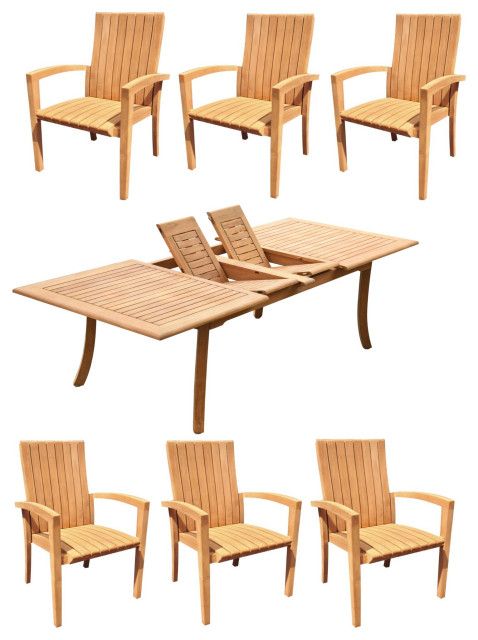
Your outdoor dining set is more than just furniture; it’s the heart of summer barbecues, cozy autumn dinners, and those spontaneous spring brunches. And when it’s made of teak, you’ve invested in a material known for its stunning looks and remarkable resilience. But to truly enjoy its splendor year after year, a little seasonal care goes a long way. Let’s dive into how to keep your teak looking its absolute best, no matter what the weather throws at it.
Teak wood. It’s gorgeous, isn’t it? That rich, honey-gold hue, the smooth feel – it just screams quality and comfort. Outdoor dining furniture made from teak is a popular choice for good reason. This tropical hardwood is naturally packed with oils and a tight grain, making it incredibly resistant to moisture, rot, and even insect infestations. This means it can withstand the elements like few other woods can. But even the toughest materials benefit from a little attention. Think of it like this: a well-maintained car runs better for longer, right? Your teak furniture is no different. We’ll walk you through how to nurture it, season by season, so it remains a beautiful centerpiece for your outdoor living space for decades to come.
Spring Awakening: Preparing for Warmer Days
As winter’s chill finally loosens its grip, your teak furniture is probably eager for some sunshine and attention. This is the perfect time for a thorough cleaning and a little rejuvenation. First things first, give it a good scrub.
- Gentle Cleaning: Mix a mild soap or a specialized teak cleaner with warm water. Use a soft brush or a clean cloth to gently scrub away any dirt, mildew, or grime that accumulated over the colder months. Always scrub with the grain of the wood. Rinse thoroughly with clean water and let it air dry completely. Avoid high-pressure washers, as they can damage the wood fibers.
- Addressing Stains: For stubborn spots, a diluted solution of bleach and water (1 part bleach to 10 parts water) can be effective, but test it on an inconspicuous area first. Another option is oxalic acid for tackling those persistent black stains. Always wear gloves and eye protection when using cleaning agents.
- Sanding (Optional): If your teak has developed a gray patina or has rough spots, a light sanding with fine-grit sandpaper (around 120-220 grit) can restore its smooth finish. Again, sand in the direction of the grain.
- Oiling (Your Choice): Many people love the natural silver-gray patina teak develops. Others prefer to maintain that warm, golden-brown color. If you want to restore the original hue, now is the time to apply a teak oil. Choose a quality oil specifically designed for outdoor teak. Apply it sparingly with a clean cloth, following the product’s instructions. Too much oil can lead to a sticky surface. Allow it to penetrate and wipe away any excess. Remember, oiling isn’t strictly necessary for teak’s longevity, but it does enhance its appearance if you prefer that look.
Summer Sunshine: Protection and Enjoyment
Summer is prime time for outdoor living and dining. Your teak furniture will be in constant use, so the focus shifts to maintenance and protection. Regular use means more opportunities for spills and wear and tear.
- Wipe Down Regularly: After meals or gatherings, a quick wipe-down with a damp cloth can prevent food particles and spills from setting in. This is especially important for greasy or acidic substances. For everyday dust and dirt, a dry microfiber cloth usually does the trick.
- Sun Protection: While teak is naturally UV resistant, prolonged, intense sun exposure can still lighten the wood and potentially dry it out over many years. If your furniture is in a very sunny spot, consider using a patio umbrella or a canopy during the hottest parts of the day. Some people opt for teak sealers that contain UV inhibitors, though these can sometimes alter the wood’s natural feel and appearance.
- Spill Management: Accidents happen. Wipe up spills immediately. For tougher stains like wine or berry juice, a mild soap and water solution should be sufficient. If a stain persists, you might need to use a more targeted teak cleaner.
- Check for Loose Fasteners: With frequent use and temperature fluctuations, screws and bolts can sometimes loosen. Periodically check all the hardware on your furniture and tighten them as needed to ensure stability and safety.
Autumn’s Embrace: Preparing for Cooler Evenings
As the temperatures drop and the leaves begin to turn, your outdoor dining might shift indoors more often. This is a good time to assess your furniture and prepare it for the coming colder months.
- Deep Clean Before Storage: If you plan to store your furniture, give it a thorough cleaning as you did in the spring. Remove all surface dirt and grime. Ensure it’s completely dry before storing it. Moisture trapped during storage can lead to mold and mildew.
- Inspect for Damage: Autumn is a great time to look for any cracks, splits, or loose joints that might have developed over the summer. Address these issues now before they worsen over winter.
- Consider Protective Covers: If you choose not to store your furniture indoors, high-quality, breathable outdoor furniture covers are a fantastic investment. Make sure the covers fit well and allow for some air circulation to prevent moisture buildup. Avoid using plastic tarps that can trap moisture and lead to mildew. Ensure the covers are secured to prevent wind from damaging the furniture or blowing the covers off.
Winter’s Rest: Protecting Through the Cold
Winter is when your teak furniture needs the most protection, especially if you live in an area with harsh weather conditions like heavy snow, ice, or extreme cold.
- Indoor Storage is Ideal: The absolute best way to protect your teak furniture during winter is to store it indoors. A garage, shed, or even a basement works perfectly. This keeps it safe from the elements and prevents it from getting excessively cold and damp.
- Covering Outdoors: If indoor storage isn’t an option, ensure your furniture is covered with well-fitting, breathable outdoor covers. Elevate the furniture slightly off the ground if possible to prevent moisture from seeping up from the ground. Bunching up a tarp or plastic sheeting underneath can create a barrier.
- Check Covers Periodically: Even with covers on, it’s a good idea to check on your furniture occasionally, especially after heavy storms. Ensure covers are still in place and that there’s no excessive moisture or ice accumulation.
- Avoid Harsh Chemicals: During winter, avoid using harsh cleaning chemicals. If you notice any mold or mildew, gently clean it with a mild soap and water solution once the weather warms up. The key here is preservation and keeping it dry.
The Patina Question: To Oil or Not to Oil?
One of the most frequent questions people have about teak furniture is whether to oil it or let it turn that lovely silver-gray. There’s no single right answer, and it really comes down to personal preference and the look you’re after.
- The Natural Patina: Teak’s natural oils react with sunlight and air, causing the surface to weather to a soft, silvery-gray color. This patina doesn’t harm the wood; in fact, it’s a sign of healthy, well-weathered teak. Many people prize this look for its understated elegance and how it blends into natural surroundings. If you choose this route, minimal maintenance is required – just regular cleaning.
- Maintaining the Golden Hue: If you adore that warm, honey-gold color, regular oiling is your best bet. As mentioned, apply a quality teak oil sparingly in the spring and perhaps again in mid-summer if needed, depending on the climate and sun exposure. Be aware that oiling requires more effort and can sometimes lead to a slightly sticky surface if not applied correctly or if too much is used. It also doesn’t prevent the wood from eventually weathering; it just slows the process and restores the color.
- Consistency is Key: Whichever you choose, be consistent. If you oil it one year and then let it weather the next, you might end up with an uneven appearance. Decide on your preferred look and stick with it for the best results.
Common Issues and Simple Fixes
Even with the best care, your teak furniture might encounter a few common challenges. Thankfully, most are easily resolved.
- Mildew and Mold: This is usually a result of moisture and lack of airflow. A scrub with a mild soap and water solution or a specialized teak cleaner will typically remove it. Ensure the furniture dries completely afterward and consider better airflow or covers if it’s a recurring problem.
- Surface Cracks (Checking): Teak can develop small surface cracks, especially in extreme temperature or humidity changes. This is usually superficial and doesn’t affect the structural integrity of the furniture. It often resolves on its own or can be smoothed out with light sanding.
- Deep Splits: If you notice larger splits, especially through a structural joint, it might require professional repair or a good wood glue and clamp. Address these promptly to prevent further damage.
- Wobbly Legs or Loose Joints: A quick tightening of screws or bolts usually fixes this. For more significant joint issues, wood glue and clamps might be necessary.
Caring for your teak outdoor dining furniture through the seasons isn’t a chore; it’s an investment in its longevity and your enjoyment. By understanding its needs and giving it a little attention at the right times, you ensure it remains a beautiful, functional, and cherished part of your home for years to come. Whether you embrace the natural silver patina or opt for the warm golden glow, your dedication will shine through. So, go ahead, plan that next al fresco dinner, knowing your teak is ready to host it in style. Happy dining!