Imagine this: you’re hosting friends or family, and suddenly, you have unexpected overnight guests. Instead of a frantic scramble for air mattresses or awkward sofa arrangements, what if your living room could effortlessly transform into a comfortable sleeping space? That’s the magic of a sleeper sectional. It’s a furniture piece that’s both stylish and incredibly functional, offering seating for your everyday life and a bed for when guests arrive. But with so many options out there, how do you find the one that’s just right for you? Let’s dive in and figure that out together.
Sleeper sectionals are absolute game-changers for homes of all sizes, especially apartments or houses where space is at a premium. They’re the ultimate multitaskers, providing ample seating for lounging, entertaining, and family movie nights, and then, with a little effort, converting into a cozy bed. But choosing one isn’t as simple as picking a couch. You’ve got to think about how it will function for both sleeping and sitting, the materials, the mechanism, and, of course, how it will look in your room. This guide is here to walk you through all the important aspects, so you can make a well-informed choice and end up with a piece of furniture you’ll absolutely adore for years to come. Ready to find your dream sleeper sectional?
Understanding the Sleeper Mechanism: The Heart of the Matter
The way a sleeper sectional converts from a sofa to a bed is probably the most crucial feature to understand. There are a few common types, and each has its pros and cons.
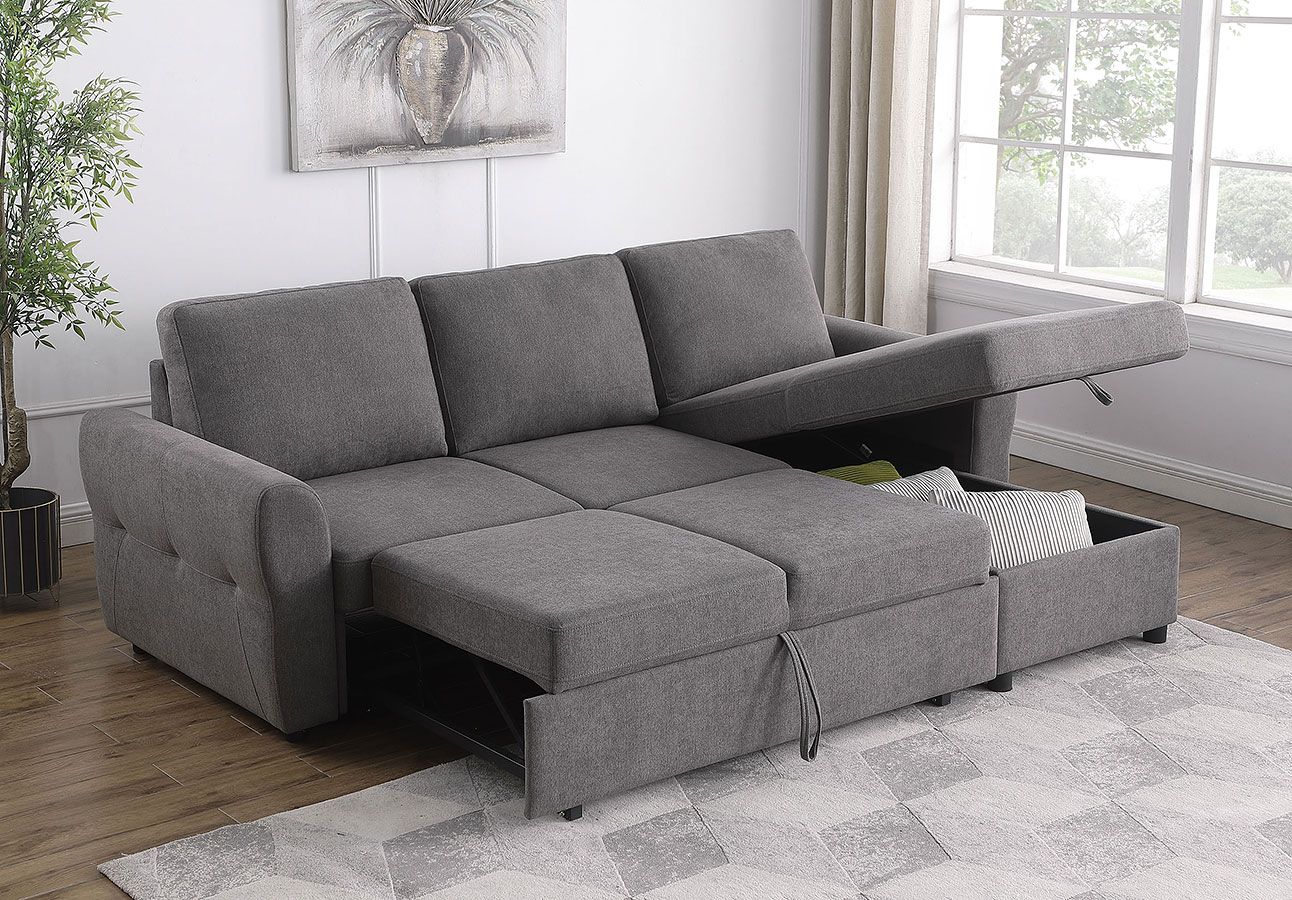
- Pull-Out Bed: This is the most classic type. You lift the seat cushions and pull out a hidden mattress on a metal frame. These are generally easy to operate and come in various mattress types, from basic foam to more comfortable innerspring or even memory foam. The frame can sometimes be felt through the mattress, so testing is key.
- Futon Style: Here, the back of the sectional folds down to meet the seat, creating a flat sleeping surface. These are often simpler in design and can be quite comfortable for sleeping, though they might not offer the distinct mattress feel of a pull-out. They can sometimes look a bit more casual.
- Drawer or Trundle Style: In this setup, a mattress is stored in a drawer underneath the seating area and pulls out to form the bed. This is fantastic because it doesn’t typically require moving seat cushions, and it often sits at a more convenient height. It’s like a built-in guest bed!
When you’re checking out sectionals, don’t be shy about operating the mechanism yourself. Does it glide smoothly? Is it easy to convert back and forth? You’ll be doing this every time guests stay over, so it needs to be user-friendly.
Size and Configuration: Does it Fit Your Space and Your Life?
Sectionals come in all shapes and sizes, and this is even more true for sleeper sectionals. You need to consider not just how much seating you want, but also how the bed will deploy.
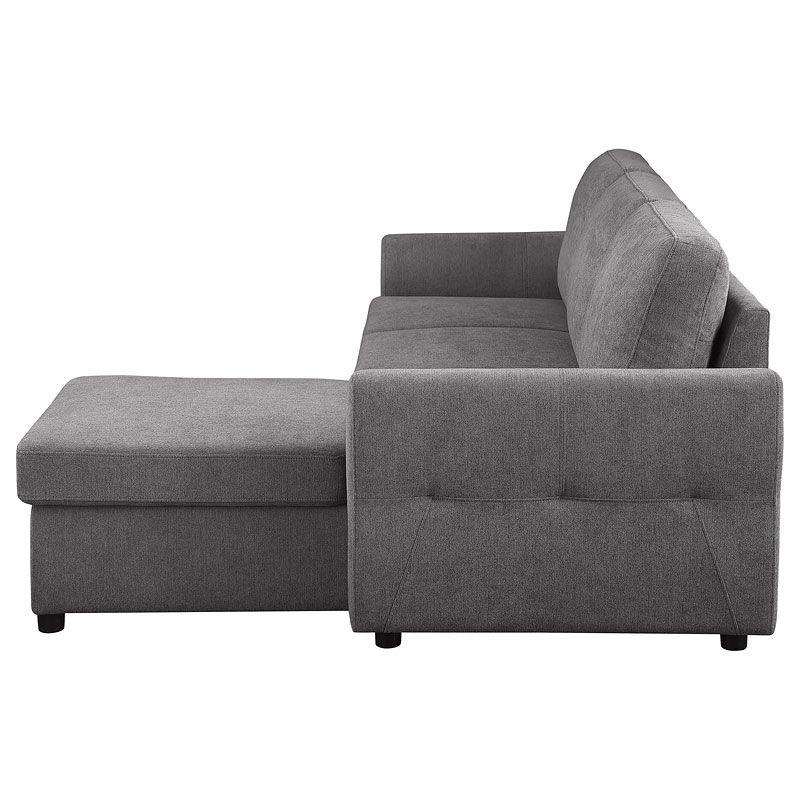
- Left-Arm Facing (LAF) vs. Right-Arm Facing (RAF): This refers to which side the chaise or longer portion of the sectional is on when you’re facing it. Measure your room carefully and sketch out where the sectional will go. Think about traffic flow and where the doors and windows are.
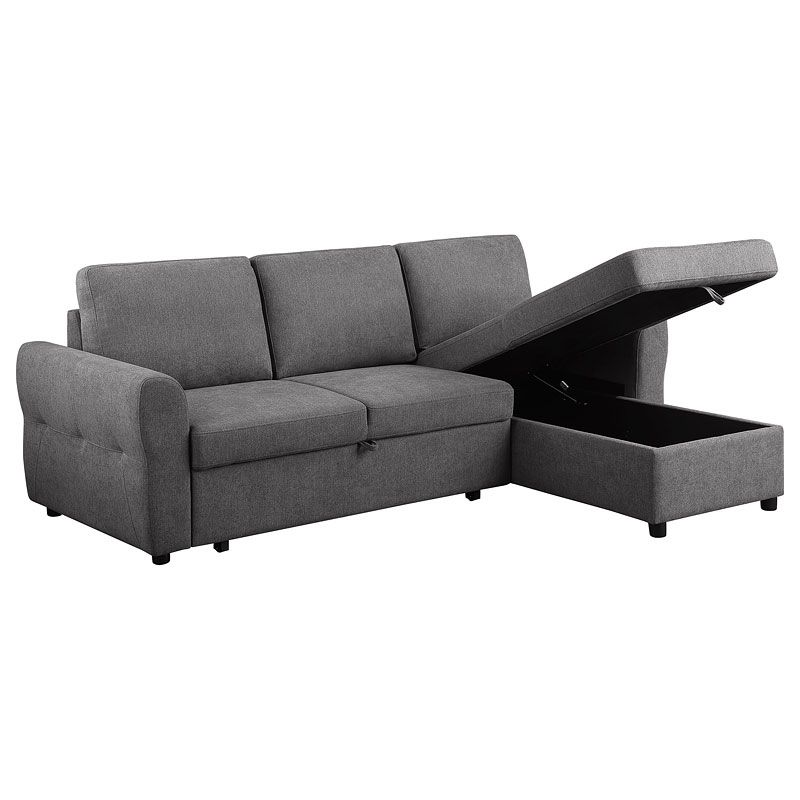
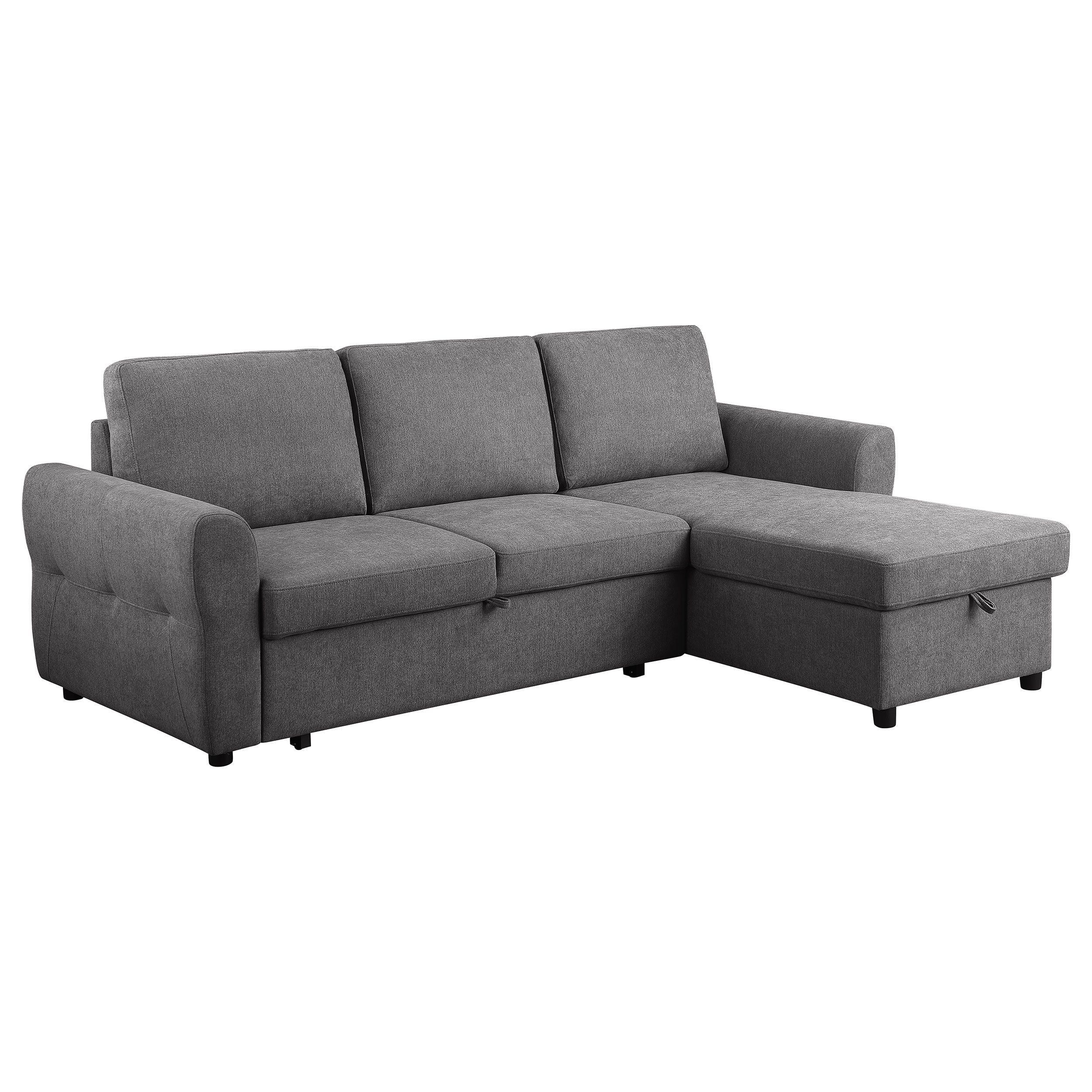
- Chaise Sleeper: Many sleeper sectionals have a chaise lounge on one end. This is great for extra seating and lounging. When it’s a sleeper, the bed mechanism might be under the main sofa section, or sometimes, the chaise itself lifts to reveal storage and a pull-out bed.
- Measuring the ‘Open’ Space: Crucially, you need to measure the space required when the sectional is converted into a bed. Will it block a doorway? Will it make it difficult to walk around? A sales associate or the product description should provide these dimensions. Don’t forget to account for the space needed to pull out the mattress and frame.
Think about your typical use. Is it primarily for everyday seating with occasional guest use, or do you anticipate frequent use as a bed? This will influence the importance of mattress quality and mechanism durability.
Comfort is King: For Sitting and Sleeping
This is where personal preference really shines. You’re buying a piece of furniture that needs to be comfortable for two very different purposes.
- Seat Comfort: Sit on it. Really sit. Does it feel supportive? Is the depth right for you? Are the cushions firm enough to hold their shape but soft enough to relax into? Consider the fill material: foam, down, or a blend. High-density foam tends to last longer and maintain its shape better.
- Mattress Quality: This is often the biggest compromise in a sleeper sectional, but manufacturers are getting much better. If you can, lie on the mattress. Is it too thin? Can you feel the springs or the frame beneath? Look for options with upgraded mattresses – memory foam, gel-infused, or thicker innerspring units can make a world of difference. If you plan on using it frequently for guests, investing in a better mattress is a very wise move.
- Back Support: Are the back cushions plush and comfortable, or do they offer firm support? This depends on your preference. Some people like to sink in, while others prefer to be held.
Don’t underestimate the power of a good test drive. If you can’t try it in person, read reviews specifically mentioning comfort for both sitting and sleeping.
Fabric and Upholstery: Durability Meets Style
The fabric you choose for your sleeper sectional isn’t just about looks; it’s about how well it will hold up to daily use, potential spills, and the wear and tear of being converted into a bed.
- Durability: Look for fabrics that are rated for high durability, especially if you have kids or pets. Performance fabrics, microfiber, and tightly woven polyesters are often excellent choices. They resist stains and are easier to clean.
- Ease of Cleaning: Spills happen. Consider how easy the fabric will be to spot clean. Some fabrics are stain-resistant or have special treatments. Always check the manufacturer’s cleaning codes.
- Texture and Feel: Do you prefer something soft and cozy like velvet, or something more practical and smooth like a tightly woven linen blend? The texture can significantly impact the overall feel of your room.
- Color and Pattern: Neutral colors are versatile and timeless, while bolder colors or patterns can make a statement. Consider how the fabric will fit with your existing decor and how well it will hide dirt or wear.
Remember, the fabric will be touching you when you’re sitting AND when you’re sleeping, so choose something you find pleasant and comfortable against your skin.
Frame and Construction: The Foundation of Your Investment
A beautiful sleeper sectional is only as good as the frame and construction underneath. This is where the longevity of your furniture lies.
- Solid Wood Frame: This is generally the gold standard. Kiln-dried hardwood frames (like oak, maple, or ash) are strong, durable, and less prone to warping or cracking. Avoid particleboard or flimsy engineered wood if possible.
- Joints: Look for frames that are not just glued but also doweled and screwed together. This creates a much stronger and more stable structure that can withstand the stresses of daily use and the opening and closing of the sleeper mechanism.
- Suspension System: The way the cushions are supported is also important. Sinuous springs (S-shaped metal springs) are common and offer good support. Eight-way hand-tied springs are considered the highest quality, offering excellent comfort and durability, though they are more expensive.
- Mechanism Quality: The metal frame that supports the mattress is critical. It should feel sturdy and operate smoothly. Some higher-end models might offer upgraded mechanisms for easier operation and better support.
Don’t hesitate to ask about the frame construction. A good salesperson should be able to tell you about the materials and how it’s put together. It’s a significant investment, so you want it to last.
Extra Features and Considerations: The Little Things That Matter
Beyond the core features, there are a few other elements that can make your sleeper sectional even better.
- Storage: Many sleeper sectionals, especially those with a chaise, offer hidden storage under the seat or chaise. This is fantastic for stowing away bedding, pillows, or even just extra blankets. It’s a real space-saver!
- Pillows and Cushions: Are the throw pillows included stylish and comfortable? Are the seat and back cushions reversible? Reversible cushions can help distribute wear and tear more evenly, extending the life of your furniture.
- Assembly: Will you need to assemble it yourself, or does the retailer offer white-glove delivery and setup? For larger pieces like sectionals, especially sleeper mechanisms, professional assembly can be a lifesaver.
- Warranty: What kind of warranty is offered on the frame, the fabric, and the sleeper mechanism? A good warranty provides peace of mind and shows the manufacturer stands behind their product.
Think about your daily routine and how the sectional will integrate. Does it need to be easily moved for cleaning? Will you be using the bed frequently? These smaller details can make a big difference in your overall satisfaction.
Choosing a sleeper sectional is a big decision, but by breaking it down into these key features – the mechanism, size, comfort, fabric, construction, and those extra touches – you can feel much more confident. It’s about finding that sweet spot between everyday comfort and guest-ready functionality. Take your time, test everything you can, read reviews, and don’t be afraid to ask questions. The right sleeper sectional can truly enhance your living space, offering both style and incredible versatility. Happy sofa hunting!