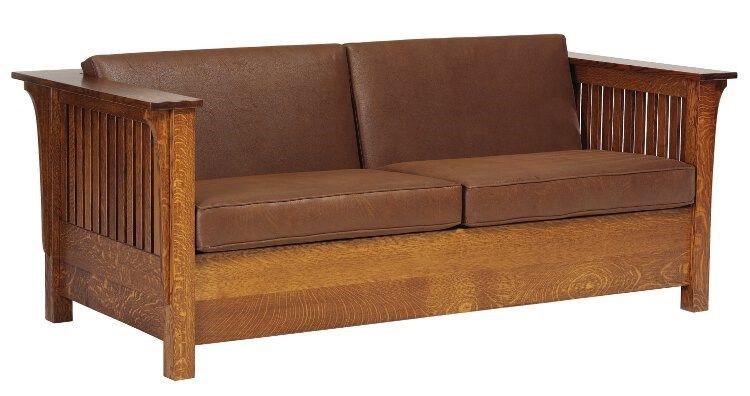
Choosing a sleeper sofa, especially one crafted from beautiful oak solid wood, is a significant decision for any home. It’s a piece of furniture that needs to function both as a comfortable sofa and a practical bed, all while fitting seamlessly into your living space. But how do you nail the size? It’s more than just measuring your room; it’s about understanding how the sofa will live and breathe with your daily routine. Let’s dive into making sure your oak sleeper sofa is just right.
An oak solid wood sleeper sofa is a fantastic addition to any home. It offers the warmth and durability of real wood, combined with the versatility of a sofa that can transform into a bed. This makes it perfect for guest rooms, smaller apartments, or even as a multi-functional piece in your main living area. However, the ‘perfect fit’ isn’t always obvious. Getting the size wrong can lead to a cramped room or a sofa that feels overwhelming. So, before you fall in love with that gorgeous oak finish, let’s talk about dimensions and how to make sure it works for you.
Understanding Sleeper Sofa Sizes
Sleeper sofas come in a range of sizes, much like traditional sofas, but with an added consideration for the mattress and frame. The most common are:
- Twin Sleeper Sofa: Often designed for a single person, these typically convert into a twin-sized bed. They are generally the most compact.
- Full (or Double) Sleeper Sofa: These convert into a full-sized mattress, suitable for two people, though it might be snug. They offer a good balance between sofa size and sleeping space.
- Queen Sleeper Sofa: The most popular choice, these convert into a queen-sized mattress, providing ample sleeping room for two adults. They are usually larger than full sleepers.
- King Sleeper Sofa: Less common and quite large, these convert into a king-sized bed. They require significant space and are best for larger rooms.
When you’re looking at an oak solid wood model, remember that the solid wood frame itself can sometimes add a little extra bulk compared to metal frames. This is part of its charm and sturdiness, but it’s something to keep in mind during your measurements.
Measure Your Space – Really Measure It
This might sound obvious, but it’s the most critical step. Don’t just eyeball it. Grab your tape measure and get to work. You need to consider:
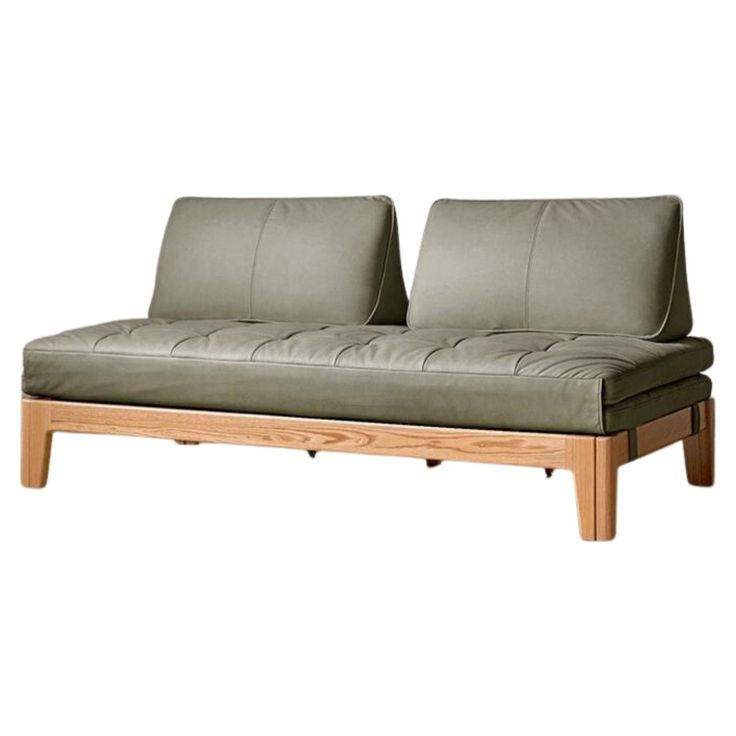
- The Sofa’s Footprint (As a Sofa): Measure the length and depth of the sofa when it’s in its sofa form. Will it fit comfortably in your designated spot without blocking doorways, walkways, or other essential furniture?
- The Room’s Flow: Imagine walking around the sofa. Is there enough space to move freely? A good rule of thumb is to leave at least 30-36 inches for main walkways.
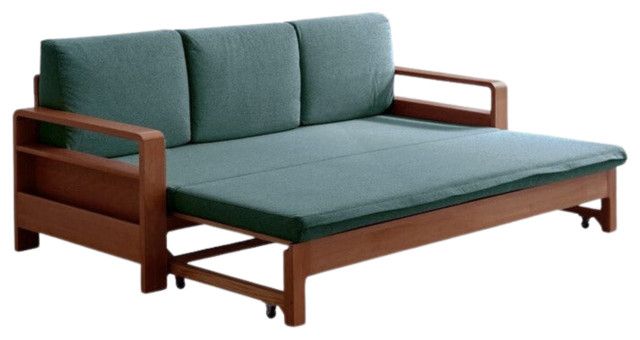
- The Sleeper’s Extension: This is where many people get caught out. When you pull out the mattress mechanism, the sofa takes up significantly more space. Measure the total length from the back of the sofa to the end of the extended bed. You need to ensure this extended length doesn’t obstruct traffic flow or bump into other furniture. For example, a queen sleeper might extend an extra 80-90 inches from the wall.
- Doorways and Hallways: Don’t forget to measure the path the sofa will take to get into your room. Will it fit through your front door, hallways, and stairwells? This is especially important for solid wood pieces, which can be quite heavy and less forgiving to maneuver.
Consider Your Primary Use
How will you be using this oak sleeper sofa most often? Your answer will heavily influence the size you need.
- Occasional Guests: If it’s just for the occasional overnight visitor, a full or even a twin sleeper might suffice. You can always supplement with an air mattress if a larger bed is unexpectedly needed. The smaller size will likely be easier to integrate into your room’s layout.
- Frequent Guests or Family: If you often have family or friends staying over, or if it’s for a child’s room where they might sleep in it occasionally, a queen sleeper is probably your best bet. It offers more comfort and space for sleeping.
- Daily Use (as a Sofa): If it will be your primary sofa, consider how much seating space you need on a day-to-day basis. A larger sleeper sofa will naturally offer more seating, but ensure it doesn’t dominate the room when closed.
- Daily Use (as a Bed): If you plan to use it as a bed every night, invest in the largest size that fits comfortably. Sleeping on a sleeper sofa, even a good one, can be different from a traditional mattress. More space can make a big difference in comfort. However, be aware that the mattress mechanism can sometimes be felt, even on the best models.
The Impact of Oak Solid Wood
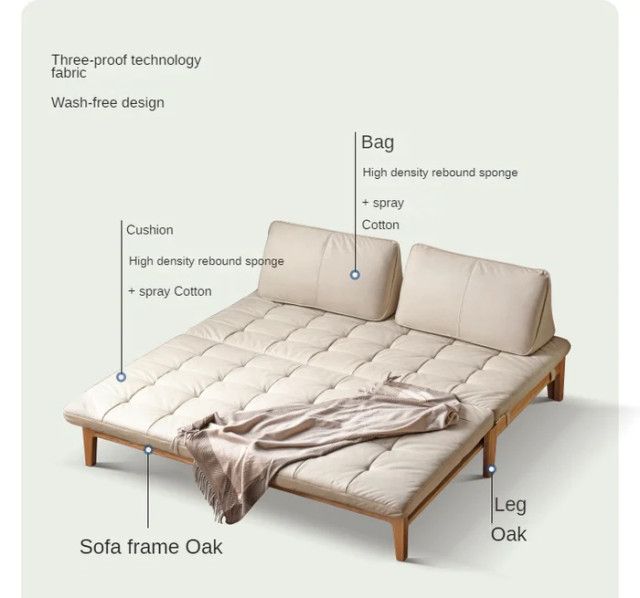
Oak solid wood is a beautiful and robust material. Its natural strength means that sleeper mechanisms are often well-supported, leading to a durable piece of furniture. However, solid wood can be denser and heavier than particleboard or metal frames. This means:
- Visual Weight: A solid oak frame can sometimes appear larger or more substantial than a similarly sized sofa with a lighter frame. This is worth considering if your room is already small or filled with other heavy-looking furniture.
- Structural Integrity: The good news is that solid oak provides excellent support for the sleeper mechanism and the overall sofa. This can translate to a longer lifespan for your investment.
- Customization: Sometimes, solid wood furniture allows for more subtle design variations. While overall dimensions are key, the thickness of the arms or the base can slightly alter the perceived size. Always check the detailed specifications.
Don’t Forget the Mattress Comfort
While size is crucial for fitting the sofa into your space, the comfort of the mattress itself is paramount for anyone sleeping on it. Most sleeper sofas come with a standard mattress, but the quality can vary widely.
- Mattress Thickness: Thicker mattresses generally offer more comfort but also increase the overall height and weight of the sofa when closed. They can also make the sofa feel bulkier.
- Mattress Type: Options can range from traditional innerspring to memory foam and even hybrid designs. Memory foam can be a great choice for comfort and pressure relief, but ensure it’s designed for frequent use.
- Try Before You Buy (If Possible): If you can visit a showroom, lie on the mattress for a few minutes. Extend the sofa and see how it feels. This is the best way to gauge comfort, though it might not always be feasible, especially when ordering online.
- Upgrades: Some manufacturers offer upgraded mattress options, which can be a worthwhile investment if you anticipate frequent use. Ensure any upgrade still fits within the sofa’s frame and doesn’t significantly alter the sofa’s opened dimensions.
Practical Tips for Choosing Your Size
Here are a few actionable tips to help you make the right choice:
- Create a Floor Plan: Draw your room to scale and cut out a paper template of the sofa’s dimensions (both closed and open). This visual aid can be incredibly helpful.
- Use Painter’s Tape: Once you have a few options in mind, use painter’s tape to mark out the dimensions of the sofa (both sofa form and extended bed form) on your floor. This gives you a real-world sense of the space it will occupy.
- Read Reviews: Look for reviews that specifically mention the size and how it fits into typical rooms. People often share their experiences with space constraints or how well the sofa worked for their needs.
- Consult the Retailer: Don’t hesitate to ask the salesperson or customer service for detailed measurements, especially for the extended bed length. They should be able to provide precise specifications.
- Factor in Clearance: Always add a buffer. Don’t choose a sofa that just fits. Leave a little extra room for ease of use and to prevent the space from feeling cluttered. A sofa that’s slightly smaller but leaves breathing room is often better than one that’s technically the right size but feels cramped.
Choosing the right size oak solid wood sleeper sofa is all about balancing aesthetics, functionality, and your specific living situation. It’s a piece that should enhance your home, not overwhelm it, and provide comfort whether you’re lounging or sleeping. By carefully measuring your space, considering your primary use, and understanding the nuances of materials like oak, you can confidently select a sleeper sofa that will be a beloved and practical addition for years to come. Remember, a little planning goes a long way in ensuring your new oak sleeper sofa is the perfect fit for both your room and your lifestyle. Happy sofa hunting.