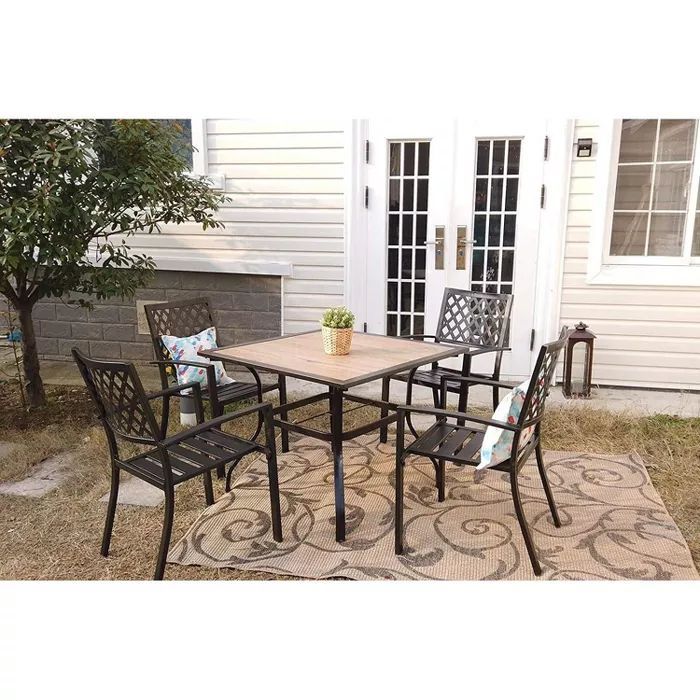
Thinking about upgrading your outdoor space? You want furniture that looks great, feels comfortable, and most importantly, lasts. When it comes to enduring the sun, rain, and everything in between, aluminum and faux wood often top the lists. But what exactly makes them so tough? Let’s dive into what you really need to know about their durability.
We’ve all been there. You invest in a beautiful outdoor set, only to watch it fade, rust, or warp after just a season or two. It’s frustrating, right? That’s why choosing materials that can handle the elements is so crucial. Aluminum and faux wood have emerged as popular choices for a reason. They promise a blend of style and resilience, but how do they actually hold up over time? Let’s break down the resilience of these two workhorses in the outdoor furniture world.
Aluminum: Lightweight Champion of the Outdoors
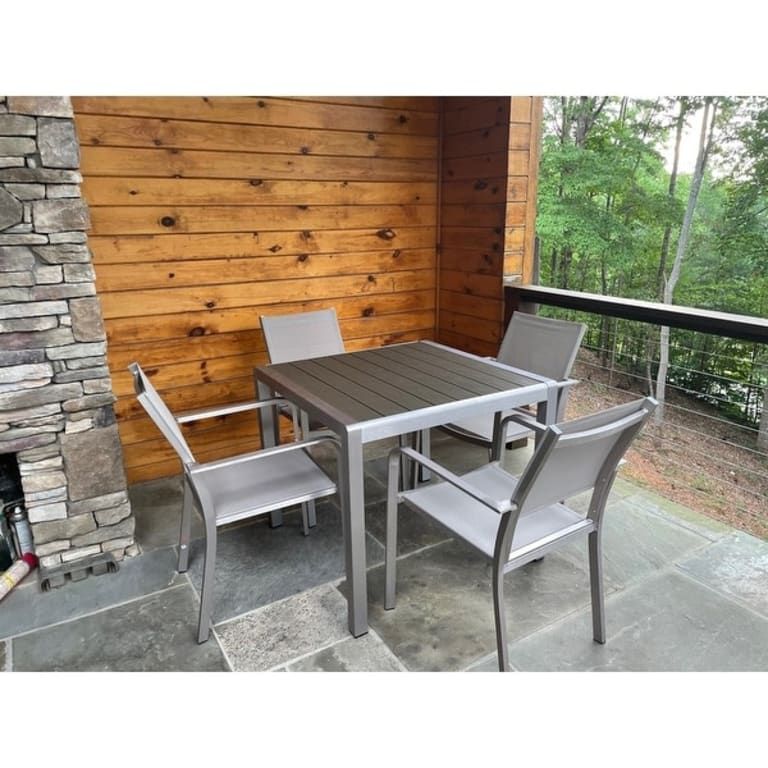
Aluminum is a fantastic material for outdoor furniture, and its durability is a major selling point. For starters, it’s naturally resistant to rust and corrosion. Unlike iron or steel, aluminum won’t form those unsightly orange blooms when exposed to moisture. This is a huge advantage, especially if you live in a humid climate or near the coast. Plus, it’s incredibly lightweight, making it easy to rearrange your patio or move furniture into storage when winter rolls around.
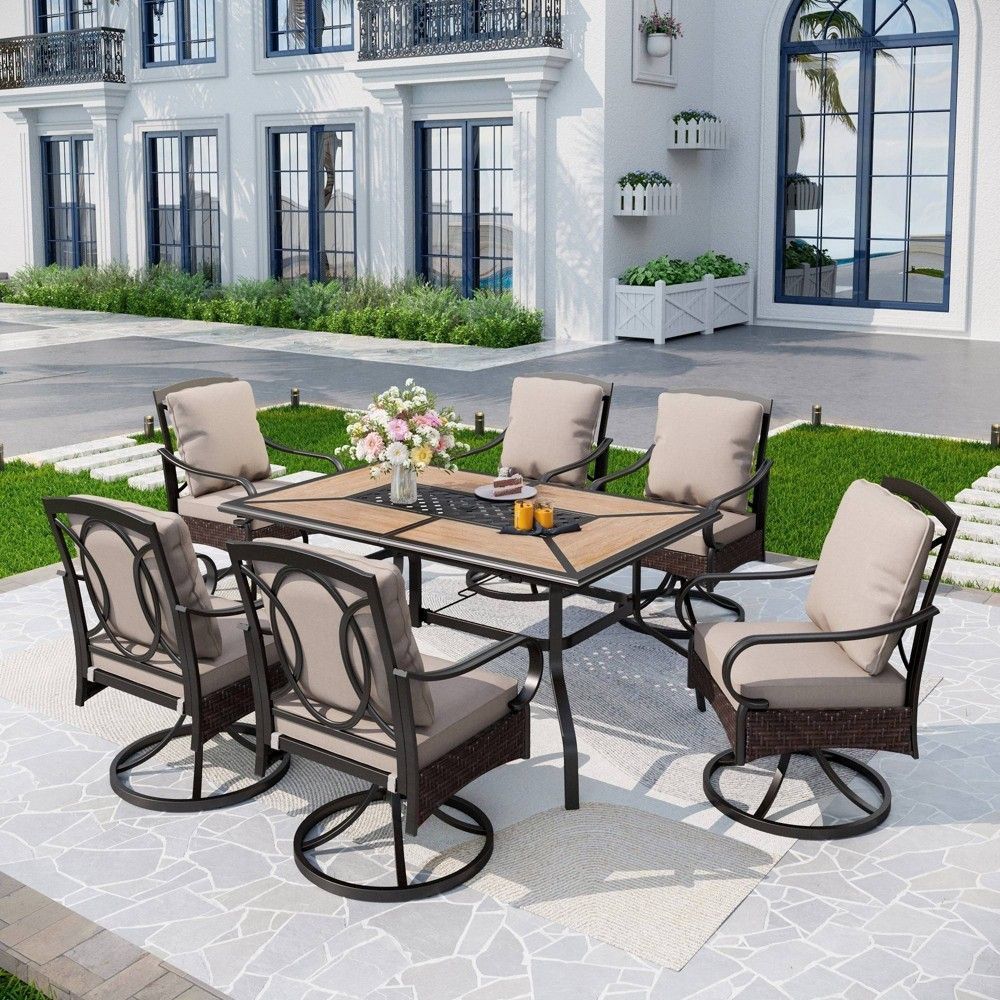
But not all aluminum is created equal. Most outdoor furniture uses cast aluminum or extruded aluminum. Cast aluminum is poured into a mold, giving it intricate designs and a bit more heft. Extruded aluminum is shaped into profiles, often used for chair frames and legs, and tends to be stronger and lighter.
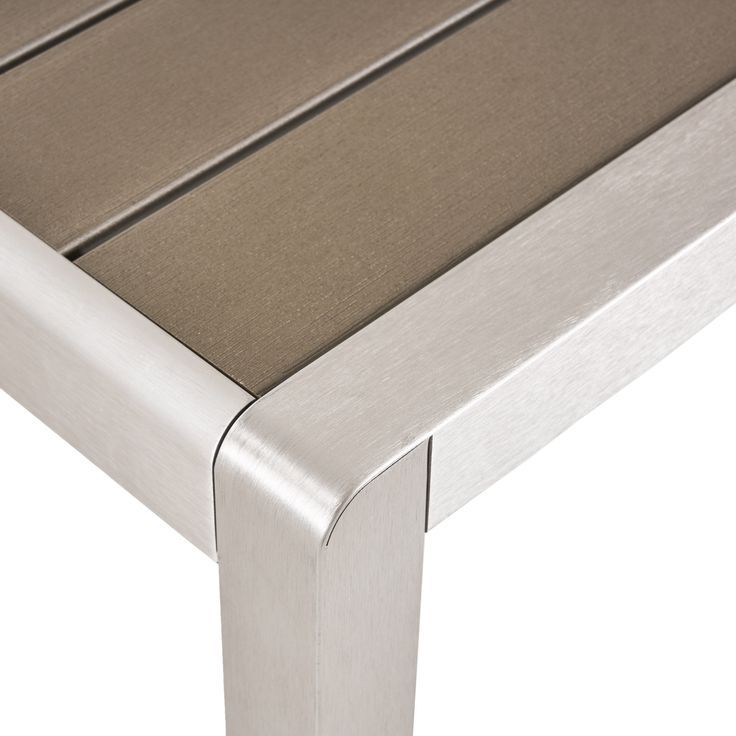
To boost durability even further, aluminum furniture is typically coated with a powder finish. This coating adds an extra layer of protection against scratches and UV rays, helping to maintain its color and finish for years. Think of it as a protective shield. While it’s tough, a sharp impact could potentially chip the coating, and that’s where exposed aluminum might be more vulnerable to oxidation if not addressed. However, this is usually a minor concern for most users.
Faux Wood: The Low-Maintenance Lookalike
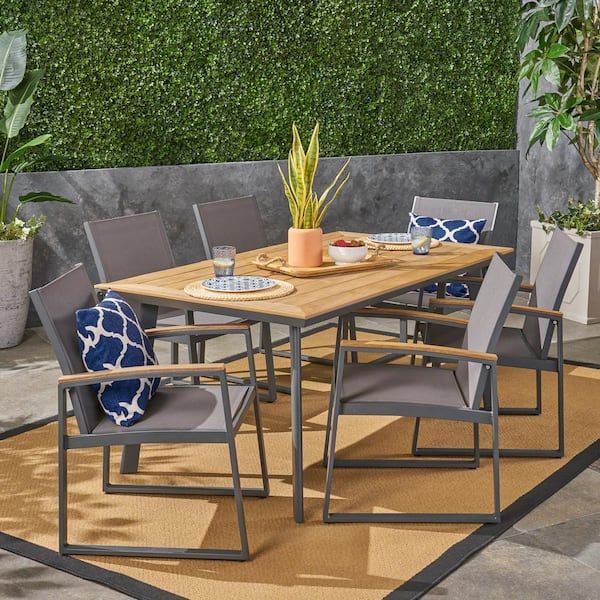
Faux wood, often made from high-density polyethylene (HDPE) or other durable plastics, is designed to mimic the look of real wood without the upkeep. And when it comes to durability, it really shines. Unlike natural wood, faux wood won’t rot, splinter, or warp when subjected to moisture and temperature fluctuations. You don’t have to worry about sealing it every year or protecting it from termites.
This material is engineered to withstand harsh weather conditions, including intense sunlight and heavy rain. The color is typically infused throughout the material, meaning scratches or chips are less noticeable because the color is consistent all the way through. It’s also resistant to fading from UV exposure, so your furniture will maintain its attractive appearance for a long time.
One of the key advantages is its solidity. High-quality faux wood furniture feels substantial and sturdy, giving you that satisfying heft you might expect from real wood, but without the weight or the maintenance headaches. It’s a practical choice for those who want the aesthetic of wood but the resilience of a modern material.
Comparing the Two: Strengths and Weaknesses
So, how do they stack up against each other?
- Weather Resistance: Both are excellent. Aluminum won’t rust, and faux wood won’t rot or splinter. Faux wood might have a slight edge in resisting extreme temperature swings without expanding or contracting as much as some metals might, but high-quality aluminum is also very stable.
- Maintenance: Faux wood generally requires less maintenance. A simple wash with soap and water is usually all it needs. Aluminum furniture with a good powder coat is also easy to clean, but you might want to be a bit more careful about abrasive cleaners or sharp objects that could scratch the finish.
- Weight: Aluminum is significantly lighter, making it easier to move. Faux wood is heavier, which can be a good thing for stability in windy areas, but makes it harder to reposition.
- Aesthetics: This is subjective, of course. Faux wood offers a warm, natural look that can be very appealing. Aluminum offers a more modern, sleek appearance, and comes in a wide array of colors and styles.
- Cost: Generally, high-quality faux wood furniture can be more expensive upfront than aluminum, but the long-term value and low maintenance often make it a worthwhile investment.
What to Look for to Ensure Maximum Durability
Regardless of which material you choose, a few things can make a big difference in how long your furniture lasts:
- For Aluminum: Look for furniture made from cast or extruded aluminum. Ensure it has a quality powder coating. Check for smooth welds and a solid construction. Avoid anything that looks flimsy or has visible signs of poor finishing.
- For Faux Wood: Opt for furniture made from high-density polyethylene (HDPE) or similar high-quality recycled plastics. Check reviews for comments on fading or cracking over time. Ensure the construction feels solid and the joints are well-made. Colors that are UV-stabilized and infused throughout the material are the best.
- General Quality: Always read product descriptions and customer reviews. A higher price often, but not always, indicates better materials and construction. Don’t be afraid to ask questions about the materials and manufacturing process.
Real-World Performance: What Users Say
Many people find that their aluminum furniture, especially pieces with a good powder coat, can last for a decade or more with minimal fuss. The key is often the quality of that coating and avoiding situations that could damage it. Similarly, owners of good-quality faux wood furniture often rave about its longevity. Stories abound of sets that have weathered countless seasons, looking almost as good as the day they were bought. Some users mention that while faux wood is tough, very cheap, low-density versions might become brittle over many years in extreme sun, but this is less common with premium products. What’s consistent is the appreciation for the low-maintenance aspect – it frees up time to actually enjoy your outdoor space rather than constantly tending to the furniture.
Maximizing the Lifespan of Your Outdoor Furniture
Even the most durable furniture can benefit from a little care.
- Cleaning: Regular cleaning with mild soap and water will keep both aluminum and faux wood looking their best and prevent the buildup of dirt and grime that can degrade finishes over time.
- Protection: While these materials are tough, consider using furniture covers during prolonged periods of disuse or extreme weather. This adds an extra layer of protection and can significantly extend the life of your investment.
- Storage: If possible, storing cushions indoors when not in use can prevent mold and mildew. For the furniture itself, while often not strictly necessary, storing it in a shed or garage during harsh winters can offer the ultimate protection.
- Avoid Harsh Chemicals: Steer clear of abrasive cleaners or strong solvents, as these can damage the finishes on both aluminum and faux wood.
When it comes to outdoor furniture durability, both aluminum and faux wood are excellent contenders. Aluminum offers lightweight strength and rust resistance, making it a practical and stylish choice, especially with a good powder coat. Faux wood provides the aesthetic appeal of natural wood with superior resistance to the elements, requiring minimal upkeep. Ultimately, the best choice depends on your specific needs, preferences, and budget. By understanding what makes these materials durable and opting for quality products, you can invest in outdoor furniture that will bring you enjoyment season after season, looking good and standing strong against whatever the weather throws at it.