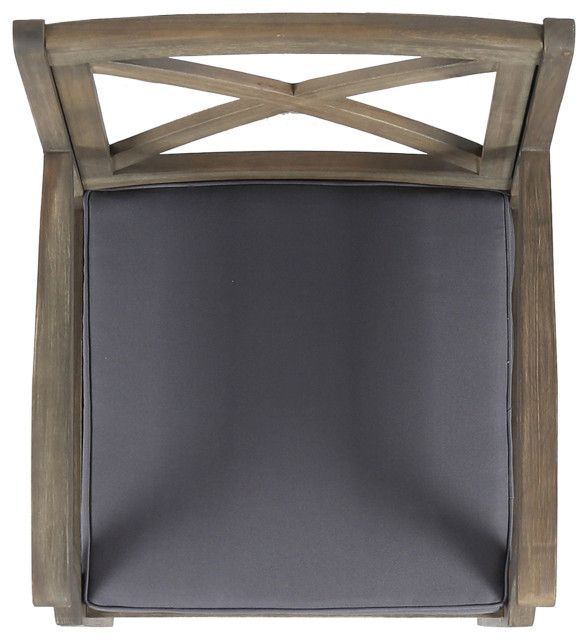
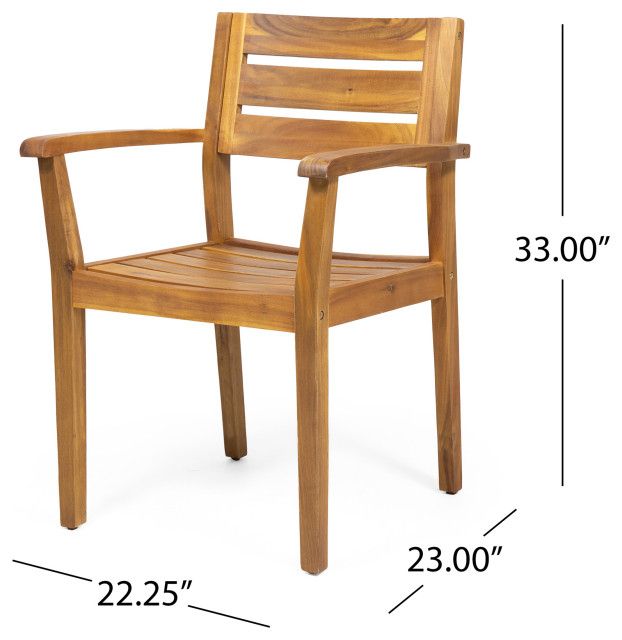
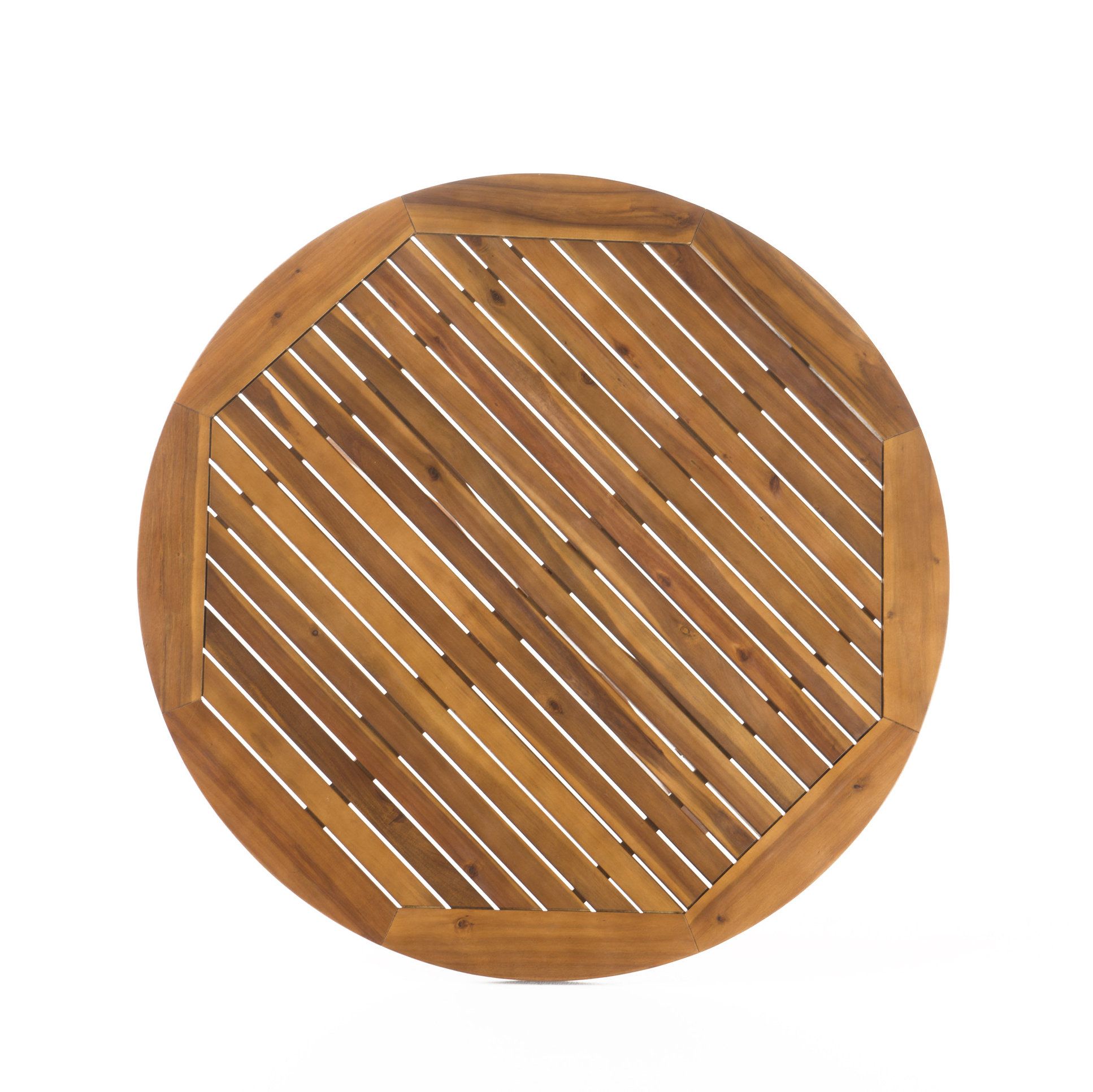
You’ve got a Stanford dining set, and it’s beautiful. But have you ever stopped to wonder what makes it so special? Often, the secret lies in the very material it’s crafted from. Let’s dive into the world of acacia wood and uncover why it’s a fantastic choice for furniture, bringing both style and substance to your home.
That Stanford dining set gracing your home isn’t just a piece of furniture; it’s a testament to smart design and quality materials. One of the stars of the show is often acacia wood. It’s a hardwood that’s gained significant popularity in the furniture world, and for good reason. It’s not just about looks, though it certainly has those in spades. Acacia wood offers a unique blend of strength, resilience, and natural beauty that makes it a standout option. So, what exactly is this wood, and why is it such a great fit for your dining experience?
What Exactly is Acacia Wood?
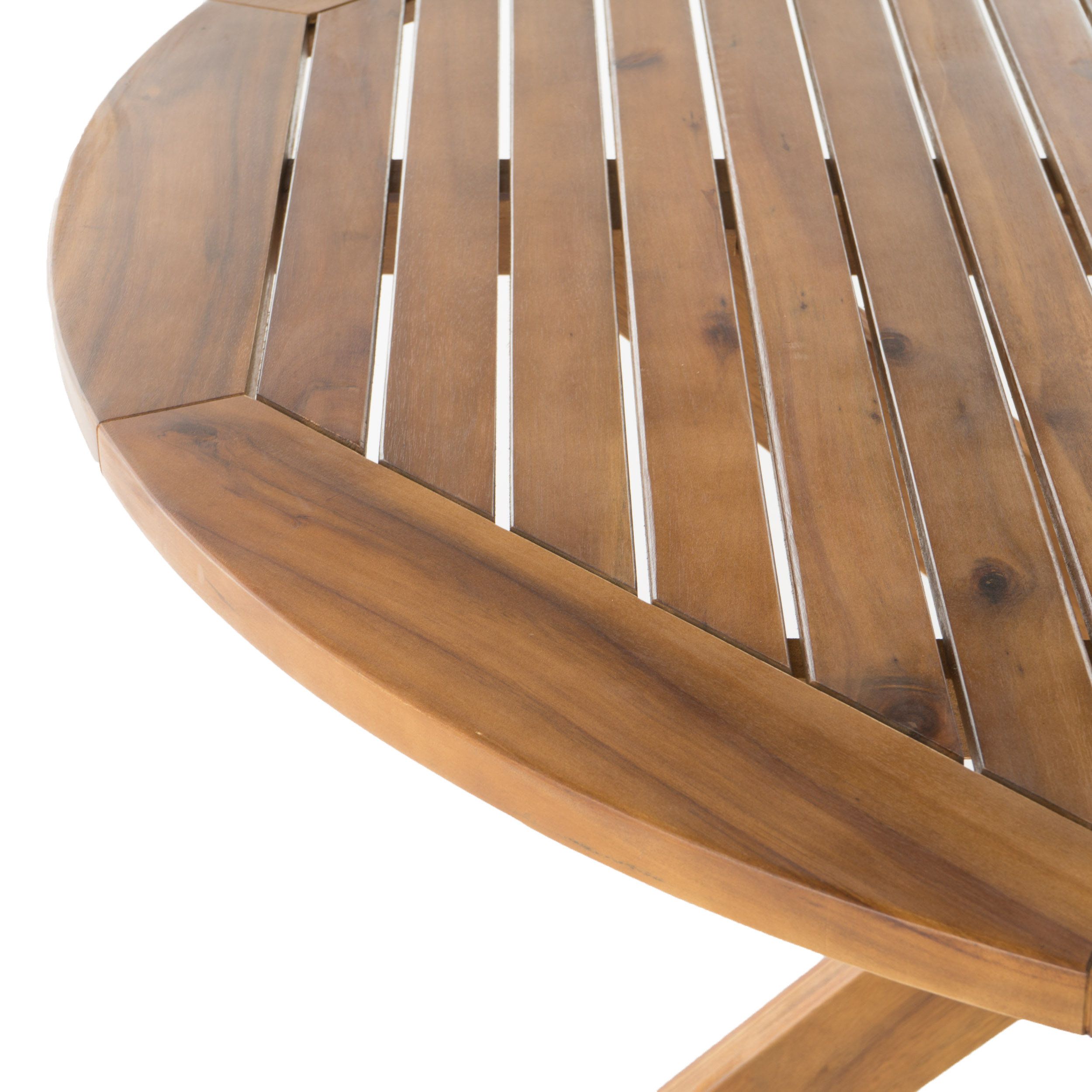
Acacia wood comes from acacia trees, which are found in various parts of the world, including Africa, Asia, Australia, and the Americas. There are actually over 1,000 different species of acacia. The wood we typically see in furniture is usually harvested from fast-growing species. It’s known for its distinctive grain patterns, which can range from straight to wavy, and its rich, warm color that often has reddish or yellowish undertones. Think of it as nature’s artwork, with each piece having its own unique character. It’s a hardwood, which means it’s dense and strong, making it a durable material for everyday use.
The Beauty and Appeal of Acacia
One of the most striking features of acacia wood is its natural aesthetic. The grain is often intricate and varied, giving each piece of furniture a unique look. It can be polished to a smooth finish, highlighting these natural patterns. The color palette of acacia wood is also quite appealing, typically falling in the range of light browns to deeper, richer tones, sometimes with hints of red or gold. This versatility in appearance means it can complement a wide array of interior design styles, from modern and minimalist to rustic and traditional. It brings a sense of warmth and natural elegance to any room, making your Stanford dining set a true centerpiece.
Durability and Longevity: Built to Last
When you invest in furniture, you want it to last, right? Acacia wood doesn’t disappoint in this regard. It’s naturally resistant to water and moisture, which is a huge plus for a dining set that might encounter spills. It’s also quite hard and dense, making it resistant to scratches and dents. This means your Stanford dining set can withstand the rigors of daily life – family dinners, homework sessions, and lively gatherings – while still looking great. Unlike softer woods that can easily get damaged, acacia offers a robust and enduring quality that ensures your furniture remains a cherished part of your home for years to come.
Sustainability: A Greener Choice
In today’s world, making environmentally conscious choices is more important than ever. Acacia wood is often considered a sustainable option. Many acacia species grow rapidly, meaning they can be replenished relatively quickly compared to slower-growing hardwoods. Furthermore, acacia trees are sometimes used in reforestation projects and can thrive in areas with poor soil conditions, helping to restore degraded land. When sourcing furniture, looking for pieces made from responsibly managed acacia plantations is a great way to ensure you’re making an eco-friendly choice. It’s good to know that your beautiful Stanford dining set can also be a part of a more sustainable future.
Care and Maintenance for Your Acacia Set
Keeping your acacia wood furniture looking its best is surprisingly straightforward. Regular dusting with a soft, dry cloth is usually enough to keep it clean. For spills, wipe them up immediately with a damp cloth and dry the area thoroughly. Avoid using harsh chemicals or abrasive cleaners, as these can damage the wood’s finish. Occasionally, you might want to use a wood polish specifically designed for hardwood furniture to maintain its sheen and protect the surface. With a little simple care, your Stanford dining set will continue to shine for a very long time. It’s not fussy, which is always a bonus in busy households.
Acacia Wood vs. Other Woods: Why It Stands Out
You might be wondering how acacia stacks up against other popular furniture woods like oak or maple. While oak is known for its strength and distinctive grain, and maple for its smooth, fine texture, acacia offers a compelling combination of beauty, durability, and often, a more accessible price point. Its natural resistance to moisture and pests is a significant advantage, especially for pieces that see a lot of use, like a dining set. The unique grain patterns of acacia also provide a distinct aesthetic that sets it apart. For many, acacia wood strikes that perfect balance between visual appeal, practical resilience, and responsible sourcing, making it a top-tier choice for quality furniture.
So, the next time you gather around your Stanford dining set, take a moment to appreciate the acacia wood it’s made from. It’s a material that offers a beautiful, natural aesthetic, is remarkably durable and resistant to the wear and tear of daily life, and can be a more sustainable choice. Its unique grain and warm color bring a touch of nature’s artistry into your home, creating a welcoming and elegant space for meals and memories. Acacia wood truly embodies an enduring charm, proving that quality, beauty, and practicality can go hand in hand, making your dining set not just furniture, but a long-lasting investment in your home.