Picture this: You’re sitting outside, enjoying a meal with family and friends, surrounded by the beauty of nature. But something’s missing – your dining setup feels flat, uninspired, or worse, it’s falling apart. What if we told you that the secret lies in mixing materials? It’s not just about aesthetics anymore – it’s about creating spaces that truly work for you.
When it comes to outdoor living, we often think about comfort, style, and durability all at once. But there’s a common misconception that outdoor furniture needs to look uniform or match perfectly. In reality, the most successful outdoor dining areas often come from thoughtful combinations of different materials. Think of it like cooking – sometimes the best dishes happen when you blend unexpected ingredients together. This approach isn’t just trendy; it’s practical. When done right, mixed material dining sets can offer better protection against weather elements, increased longevity, and a much more interesting visual experience.
The Beauty of Mixed Materials
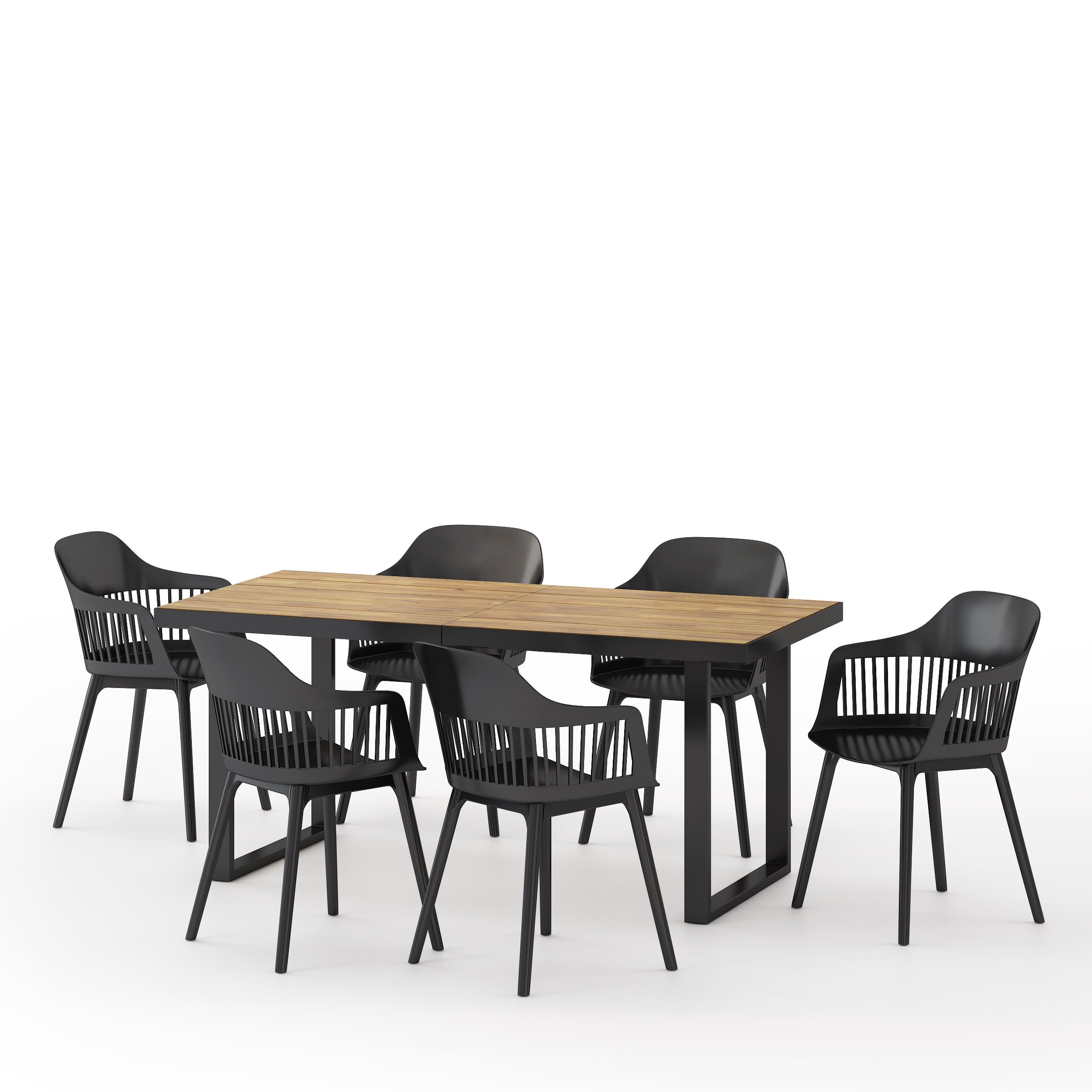
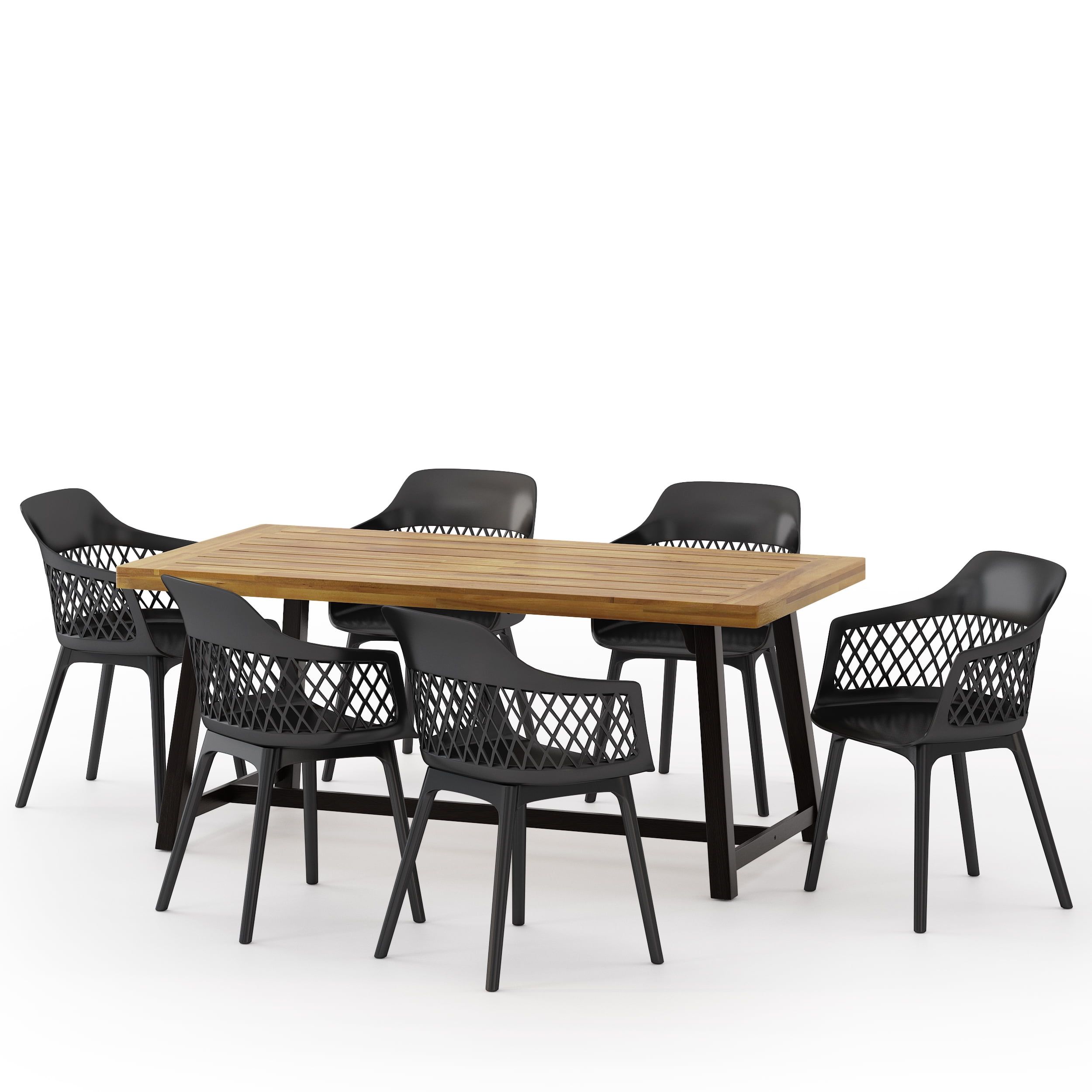
Mixing materials in outdoor dining sets isn’t just about being different – it’s about creating layers of texture, interest, and function. Consider a dining table made from teak wood with metal legs. The wood brings warmth and natural beauty while the metal adds stability and modern appeal. The contrast creates visual intrigue that makes the space feel intentional rather than random.
Many homeowners find that combining materials helps them avoid the ‘samey’ look that often plagues outdoor spaces. A rattan chair paired with a concrete top table can create a sophisticated look that’s both relaxed and refined. The key is understanding how different materials interact with each other and the environment.
Natural materials like wood and stone have their own unique characteristics that can complement artificial materials such as aluminum or synthetic wicker. These combinations often result in pieces that age gracefully, developing character over time rather than looking dated.
Weather Resistance Through Material Selection
One of the biggest advantages of mixing materials is improved weather resistance. Not all materials handle moisture, sun exposure, or temperature changes equally well. By choosing complementary materials, you can create a more resilient dining setup.
For example, consider a dining set with a composite wood top and stainless steel frame. The composite material resists warping and fading, while the metal frame provides strength and corrosion resistance. Together, they create a system that can handle everything from summer heat to winter frost.
Here are some practical combinations to consider:
• Aluminum frames with synthetic wicker seats
• Teak wood with stainless steel hardware
• Concrete tops with powder-coated metal bases
• Cedar wood with galvanized steel accents
These combinations often outperform single-material options because each component plays to its strengths. The wood provides comfort and warmth, while the metal or concrete offers structural integrity and weather protection.
Durability and Longevity Strategies
When you invest in outdoor dining furniture, you want it to last. Mixing materials can actually enhance durability rather than compromise it. Different materials age differently, and by combining them strategically, you can extend the life of your entire set.
A classic example is a dining table with a teak top and aluminum legs. Teak naturally resists rot and insects, while aluminum won’t rust or corrode. Together, they form a pairing that can last decades with proper care. The wood might weather to a silver-gray patina, but it remains structurally sound.
Another effective combination involves synthetic materials like polyethylene or recycled plastic with metal hardware. These materials are inherently resistant to fading, cracking, and moisture damage. When used together, they create a system that maintains its appearance and function year after year.
Consider the maintenance requirements of each material in your mix. Some materials require regular oiling or sealing, while others need minimal upkeep. Balancing these requirements creates a more manageable long-term solution.
Practical Design Considerations
Before diving into material selection, think about how you’ll actually use your outdoor dining area. The functionality of your mixed materials should support your lifestyle and habits.
If you entertain frequently, consider materials that are easy to clean and maintain. Stainless steel and aluminum are excellent choices for high-use areas because they resist stains and can be wiped down easily. Synthetic materials like polyethylene or resin wicker offer similar benefits while maintaining aesthetic appeal.
The weight of materials matters too. Heavy materials like concrete or stone can anchor your dining set but might be difficult to move around. Lighter materials such as aluminum or synthetic wicker offer flexibility for seasonal rearrangement.
Think about your local climate. If you live in a humid environment, materials that resist moisture are crucial. Coastal areas benefit from salt-resistant metals and materials that won’t deteriorate quickly from exposure to sea air.
Consider the seating arrangements as well. A mix of materials can create different seating experiences – perhaps a wooden bench with metal armrests, or a concrete side table with a wicker accent chair. These variations can make your space more comfortable and versatile.
Visual Harmony and Aesthetic Balance
Creating visual harmony with mixed materials requires understanding color, texture, and proportion. The goal isn’t to create chaos but rather to develop a cohesive look that feels intentional and well-thought-out.
Start with a base color palette. If you’re working with warm woods, choose metals that complement those tones rather than clash with them. Warm bronze or brushed nickel hardware often works well with teak or cedar.
Texture plays a big role too. Combining smooth surfaces with rough or patterned elements creates visual interest. A sleek metal dining table with a woven rattan chair offers a nice contrast that prevents the space from feeling too uniform.
Proportion matters as well. If you have large concrete dining tables, balance them with smaller, lighter elements like metal chairs or wicker side tables. This creates visual equilibrium that feels natural rather than forced.
Don’t forget about accessories. Adding plants, lanterns, or textiles in colors that complement your material choices can tie everything together. These elements often become the finishing touch that makes a mixed material dining area feel complete.
Budget-Friendly Approaches to Material Mixing
You don’t need to break the bank to create a stunning mixed material dining area. There are many ways to achieve great results without spending a fortune.
One strategy is to start with one major piece in a premium material and build around it. For instance, purchase a beautiful teak dining table and then add affordable synthetic wicker chairs. This approach gives you the best of both worlds – quality in key areas and budget-friendly solutions elsewhere.
Another smart tactic is to shop for materials during sales or clearance events. Many outdoor retailers offer significant discounts on certain items, especially at the end of seasons. You might find a beautiful aluminum dining set at a fraction of its original price.
Consider repurposing existing pieces. Old wooden garden furniture might work perfectly as a side table with a new metal base. Or a vintage metal bench could serve as seating for a new composite wood top.
Don’t overlook the power of DIY. Simple modifications like adding protective coatings to wood or painting metal pieces can transform their appearance and increase their lifespan. These small investments can make a big difference in how your mixed materials perform and look.
Creating functional outdoor living areas with mixed material dining sets is less about following rules and more about understanding how different elements can work together. When you thoughtfully combine materials, you’re not just building a dining area – you’re crafting a space that reflects your personality and meets your practical needs. The key is finding the right balance between aesthetics and function, and remembering that sometimes the most beautiful solutions come from unexpected combinations. Whether you’re starting from scratch or updating an existing space, consider how mixing materials can transform your outdoor dining experience. The result? A space that looks intentional, functions well, and stands the test of time.