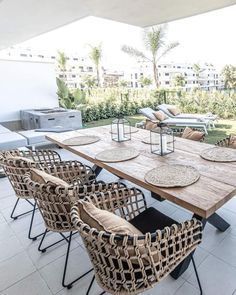
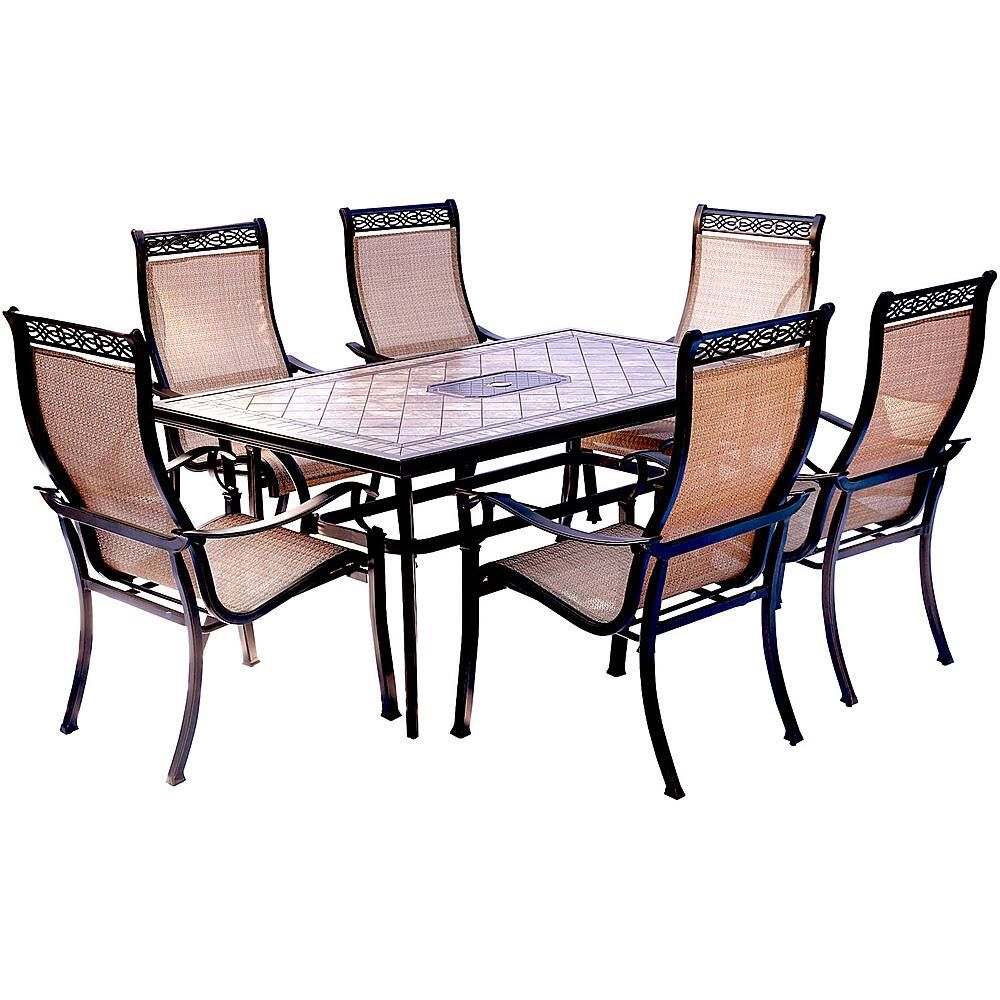
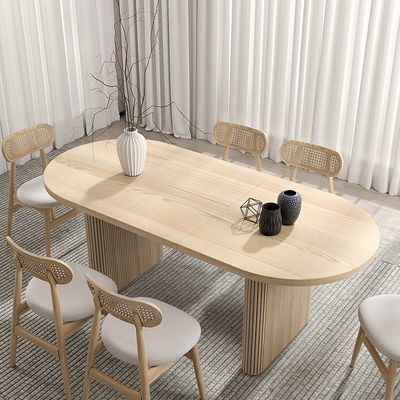
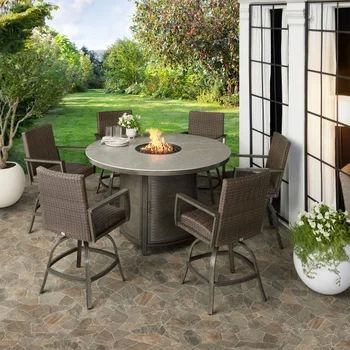
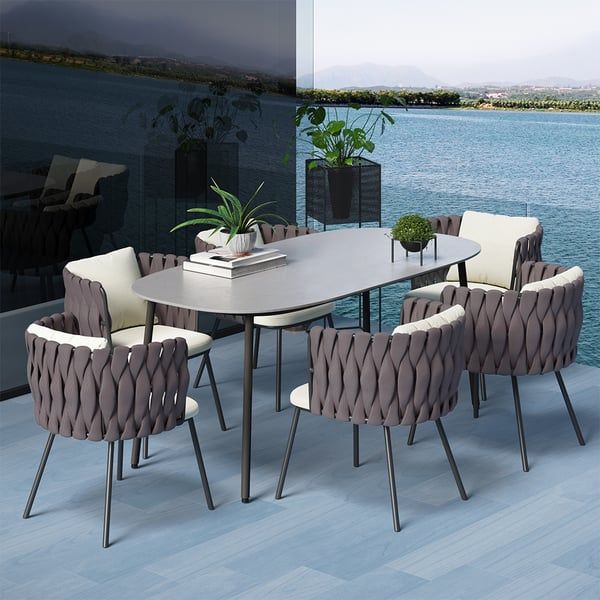
Picture this: warm evening air, soft lighting casting gentle shadows, and tables arranged just right for conversation. That’s not just a dream – it’s achievable with the right modular seating approach. Whether you’re running a restaurant or hosting family gatherings, the way you arrange your outdoor furniture can make all the difference between a forgettable meal and an unforgettable experience.
Outdoor dining has evolved far beyond simple picnic setups. Today’s spaces demand thoughtful design that balances comfort, functionality, and aesthetic appeal. The magic happens when you combine smart modular seating with intentional space planning. These flexible solutions offer something traditional fixed seating simply cannot match – adaptability that grows with your needs and changes with seasons. Think about it: how often do you really need exactly the same setup week after week? What if your outdoor space could morph from intimate dinner settings to lively social gatherings with just a few adjustments?
Understanding Modular Seating Fundamentals
Modular seating isn’t just about rearranging pieces – it’s about creating systems that work together. These solutions typically feature components that connect seamlessly, allowing you to build different configurations based on your requirements. The beauty lies in their versatility. A basic module might be a single chair, but when connected with others, it becomes part of a larger seating arrangement. You can create intimate corners, expansive lounges, or anything in between.
Consider how modular systems handle different group sizes. A restaurant might start with small two-person sections and expand to accommodate larger parties. This flexibility means fewer permanent installations and more creative possibilities. It’s like having a toolkit where each piece can be repositioned, combined, or removed entirely.
The key insight many people miss is that modular seating isn’t just about furniture – it’s about designing adaptable environments that respond to changing needs.
Key Design Principles for Outdoor Spaces
Creating an inviting outdoor dining area requires understanding how people move through and interact with space. Proper circulation paths ensure guests can navigate comfortably without feeling cramped or blocked. Consider how people enter, move around tables, and exit the space naturally.
Lighting plays a crucial role in setting the mood. Ambient lighting creates warmth while task lighting helps with reading menus or eating. Think about using string lights, lanterns, or table lamps strategically placed to avoid glare while providing adequate illumination.
Seating height matters more than you might think. When people are comfortable, they stay longer and enjoy their experience more. Standard outdoor dining heights typically range from 18 to 20 inches for chairs, with tables sitting at 28 to 30 inches high. But don’t forget about accessibility – some guests may need additional support or special arrangements.
Remember, outdoor spaces often face weather challenges. The right materials and construction can make the difference between a space that thrives year-round and one that becomes unusable during harsh conditions.
Material Selection and Durability Considerations
The materials you choose will determine how long your outdoor seating lasts and how well it withstands various conditions. Weather resistance is non-negotiable – you want furniture that handles rain, sun, and temperature changes without deteriorating.
Aluminum frames paired with synthetic wicker or resin materials offer excellent longevity while maintaining an elegant appearance. These combinations resist fading, rust, and moisture damage. Stainless steel provides another durable option, especially for high-end applications.
Wooden options require more maintenance but can provide warmth and natural beauty. Teak and cedar are popular choices because of their natural resistance to weathering. However, they need regular treatment to maintain their appearance and structural integrity.
Fabric choices also impact durability. Look for weather-resistant materials like solution-dyed acrylic or polyester blends. These fabrics resist fading, staining, and water damage while remaining comfortable for extended use. Testing samples under actual outdoor conditions before committing to large orders helps ensure you select the right combination of aesthetics and performance.
Space Planning and Layout Strategies
Effective outdoor dining layout goes beyond simply placing tables and chairs. It’s about creating distinct zones within your space that serve different purposes. Some areas might be designed for intimate conversations, while others accommodate larger groups or casual socializing.
Consider how to define these zones visually. Planters, lighting fixtures, or even decorative elements can help separate different areas without creating physical barriers. This approach maintains open sightlines while still providing distinct spaces.
The relationship between tables and walking areas deserves attention. A general rule is to allow at least 36 inches of clear space around each table for comfortable movement. For high-traffic areas, consider increasing this to 48 inches or more.
Think about how you’ll move furniture seasonally. Modular systems make this easier, but planning ahead ensures smooth transitions. Having storage solutions for seasonal items prevents clutter and makes setup simpler when conditions change.
Seasonal Adaptation and Year-Round Functionality
Outdoor spaces that work well year-round require strategic thinking about seasonal variations. In warmer months, you might want maximum seating capacity and open-air feel. During colder seasons, you’ll need protection from wind and cold while maintaining visual appeal.
Modular systems excel here because they can be easily reconfigured. Summer setups might emphasize open seating arrangements, while winter versions could include protective screens or heated elements. The ability to adjust quickly means you’re not locked into one configuration for months at a time.
Consider how weather affects your space. Rain protection, wind barriers, and temperature control all factor into creating comfortable environments. Some modular systems incorporate features like retractable covers or adjustable panels that can be adapted based on conditions.
Storage solutions become important when transitioning between seasons. Properly stored furniture maintains its condition and extends lifespan significantly. Think about how easy it is to store components when not in use.
Practical Implementation Tips and Real-World Examples
Putting modular seating into practice requires careful consideration of several factors. Start with a clear vision of what you want to achieve – whether that’s maximizing capacity, creating intimate settings, or achieving a particular aesthetic.
Begin with a small investment to test how different configurations work in your specific space. This allows you to see what works and what doesn’t before committing to larger purchases. Many businesses start with just a few modules and gradually expand their system.
Real-world examples show how restaurants have transformed their outdoor offerings. One popular approach involves creating flexible sections that can be opened or closed depending on weather conditions. Another common strategy uses modular seating to create multiple intimate dining areas within a larger space.
Don’t overlook the importance of accessories. Tablecloths, cushions, and decorative elements can dramatically change the mood of a space. These items are often more affordable than major furniture investments and offer easy ways to refresh the look seasonally.
Consider how you’ll maintain your modular system over time. Regular cleaning and proper storage practices will keep everything looking fresh and functioning properly for years to come.
The perfect outdoor dining experience isn’t just about great food – it’s about creating an environment where people want to spend time. Modular seating solutions offer the flexibility to adapt spaces to meet changing needs, whether that’s accommodating different group sizes, adjusting for seasonal weather, or simply refreshing the overall look. When thoughtfully implemented, these systems can transform ordinary outdoor areas into extraordinary gathering places.
The key is balancing functionality with aesthetics. You want furniture that looks good and works well, but also fits seamlessly into your existing space. Modular systems make this possible by offering endless combinations that can evolve with your business or personal preferences.
Remember, the best outdoor dining spaces aren’t necessarily the most expensive – they’re the ones that feel right for the people who use them. Whether you’re planning a new outdoor area or updating an existing one, consider how modular seating can help you create that perfect balance between practicality and appeal. The investment in flexible solutions often pays dividends in customer satisfaction and operational efficiency. After all, when people love where they eat, they’ll keep coming back.