Have you ever walked into a room and felt like something was just… off? Maybe it’s the way different pieces of furniture seem to clash or how colors don’t quite work together. This isn’t just about taste – it’s about understanding how our eyes process visual information and how we can use that knowledge to create beautiful, cohesive spaces.
When it comes to home decor, few things can be as challenging yet rewarding as mixing different wood finishes. It’s like conducting an orchestra – each piece has its own voice, but when they come together properly, they create something magnificent. The secret lies not just in choosing pretty things, but in understanding how colors interact with each other. Whether you’re working with a dining table that has a dark walnut top and light oak legs, or a living room with a variety of wood tones, getting this right can transform your space from merely functional to truly inspiring. Think about it – we spend so much time looking at our surroundings, so why not make them work for us?
Understanding Wood Tone Families
Before diving into color coordination, it’s essential to know what wood tones exist. These aren’t just random shades – they fall into distinct families that behave similarly under different lighting conditions. The first group includes warm tones like amber, honey, and golden oak. These have yellow and red undertones that make spaces feel cozy and inviting. Next up are cool tones such as ash, birch, and maple. They tend to have blue and gray undertones that bring a fresh, clean look to any room.
Then there are neutral tones like beige, taupe, and light browns. These act as bridges between warm and cool categories, making them incredibly versatile. Finally, there are rich, deep tones including espresso, chocolate, and dark walnut. These create drama and sophistication but require careful balancing with lighter elements. Understanding these families helps you see how pieces will relate to each other rather than just focusing on individual colors.
The Rule of Three: Creating Visual Harmony
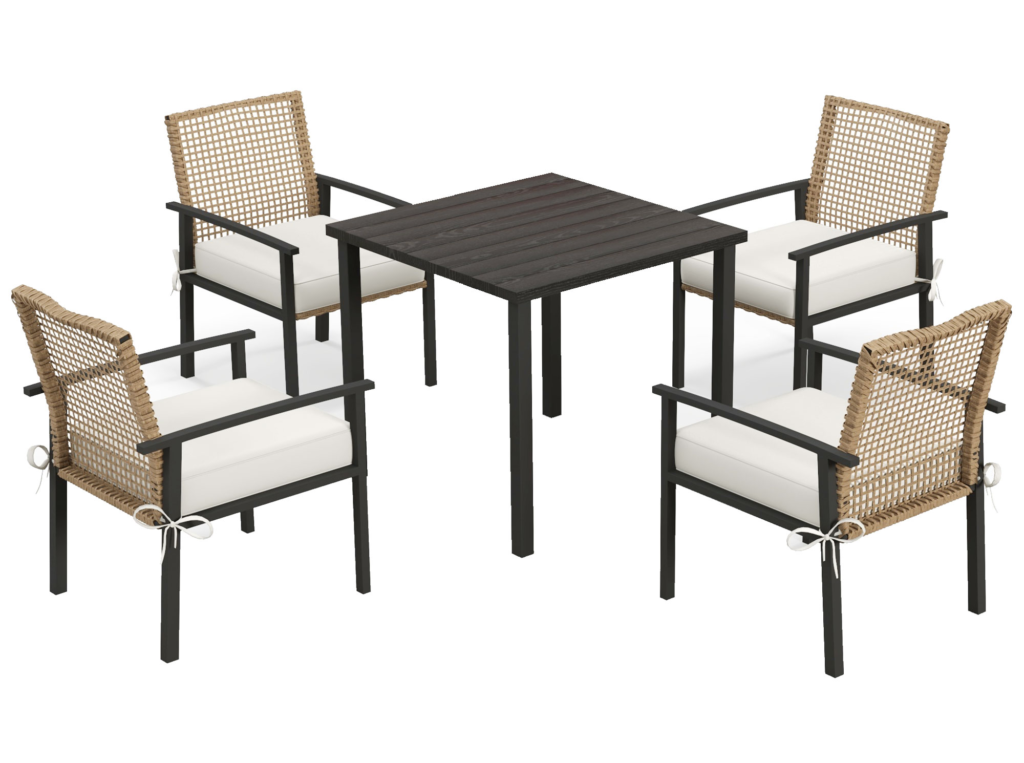
One of the most powerful strategies for managing mixed finishes is using the rule of three. This means selecting three dominant colors or tones that work together rather than trying to match everything perfectly. For example, if you have a dark walnut dining table, you might choose two other wood tones that complement it – perhaps a light oak sideboard and a medium chest of drawers. The third element could be a neutral fabric or accent color that ties everything together.
This approach works because our brains naturally seek patterns and balance. When we see three elements that relate to each other, even if they’re different, our minds find them pleasing. You don’t have to use exactly the same shade twice, but you do want to establish relationships between your choices. It’s like having a conversation where everyone contributes something unique but still makes sense together.
Lighting Considerations That Make or Break Your Look
Let’s talk about something that often gets overlooked: lighting. Your wood finishes will look completely different depending on whether you’re viewing them in natural daylight, warm incandescent bulbs, or cool LED lights. A wood that looks warm and inviting during the day might appear stark and cold under harsh fluorescent lighting. This is why many designers recommend testing pieces in different lighting conditions before making final decisions.
Natural light changes throughout the day too. Morning light tends to make wood tones appear warmer, while afternoon light can make them seem cooler. Evening lighting often brings out the golden undertones in woods regardless of their original hue. So if you’re planning a room with mixed finishes, consider how these will change as the day progresses. What looks great during a morning coffee might not feel right when you’re reading a book at night.
Creating Depth Through Contrast
Contrast is one of the most powerful tools in your arsenal when dealing with mixed finishes. Rather than avoiding differences entirely, you can use them strategically to create depth and visual interest. Imagine a room with a light oak floor, a medium brown dresser, and a dark walnut coffee table. The contrast between these tones creates layers that make the space feel bigger and more dynamic.
But contrast needs to be balanced. Too much can be overwhelming, while too little can make everything look flat. A good rule of thumb is to have one dominant tone that covers most of your surfaces, then add contrasting elements that provide visual interest without dominating. Think of it like a painting – you need both light and shadow to create dimension, but if one overwhelms the other, the whole composition falls apart.
Practical Tips for Mixing Different Wood Types
Here are some actionable strategies for combining wood finishes successfully:
• Start with one piece that defines your overall style and build around it. If you love rustic charm, choose a piece with earthy tones as your anchor.
• Use accessories to bridge gaps between different finishes. Throw pillows, rugs, or artwork can tie together otherwise disparate elements.
• Consider the room’s function when mixing. High-traffic areas benefit from more neutral tones that hide wear better.
• Don’t forget about hardware and fixtures. These small details can either make or break your overall look.
• Test samples in your actual space. Wood looks different on paper than it does in your living room.
These tips aren’t just suggestions – they’re based on real-world experience and the countless rooms where people have successfully navigated the challenge of mixed finishes.
Common Mistakes and How to Avoid Them
Even experienced decorators sometimes stumble when mixing wood finishes. Here are some frequent pitfalls to watch out for:
• Overloading with too many different tones. It’s easy to get excited about variety, but remember that less can often be more.
• Ignoring the overall room palette. Your wood finishes should support the larger color scheme of the space.
• Forgetting about scale and proportion. Large pieces with bold finishes can overwhelm smaller furniture.
• Not considering durability. Some wood finishes age differently and may not hold up well over time.
• Making assumptions about how things will look. Always test your combinations in person before committing.
These mistakes happen to everyone. The important thing is learning from them and building better strategies for next time.
Real-Life Examples That Inspire
Looking at successful examples can be incredibly helpful. Take a living room with a light blonde wooden sofa and a dark coffee table with gold accents. The contrast works because the gold adds warmth to the cool tones of the wood while the light base keeps the space feeling open.
Another common success story involves a kitchen with white cabinets, a dark wood island, and light wood flooring. The combination creates a classic farmhouse look that feels both traditional and modern. The key is that all elements relate to each other in some way – they’re not fighting each other but supporting each other.
Sometimes the most stunning combinations happen when someone intentionally mixes finishes that seem incompatible. A room with a dark walnut dining table, light oak chairs, and a brass lampshade can create a sophisticated look that surprises and delights.
Final Thoughts on Mastering Mixed Finishes
Mastering the art of mixed finish furniture isn’t about following rigid rules – it’s about developing an eye for relationships between elements. When you understand how different wood tones relate to each other and how they behave under different conditions, you’ll start seeing opportunities everywhere. The key is practice and patience. Don’t expect perfection on your first try. Every room tells a story, and every piece of furniture contributes to that narrative.
Remember that color coordination isn’t just about making things look pretty – it’s about creating environments that feel comfortable, functional, and uniquely yours. With thoughtful consideration of tone families, lighting, and contrast, you can turn any collection of mixed finishes into a masterpiece that reflects your personal style and enhances your daily life.
Mixing wood finishes in furniture may seem intimidating at first, but it’s really about understanding relationships rather than memorizing formulas. By learning to recognize tone families, using the rule of three, considering lighting effects, and embracing contrast, you can create spaces that are both visually interesting and emotionally satisfying. The most important thing is to start small and build confidence gradually. Whether you’re adding one new piece or redesigning an entire room, the principles remain the same. Your home deserves to be beautiful, and with these strategies, you have the tools to make it happen. The journey from confusion to confidence in mixed finishes is one that anyone can take, and the results are always worth the effort.