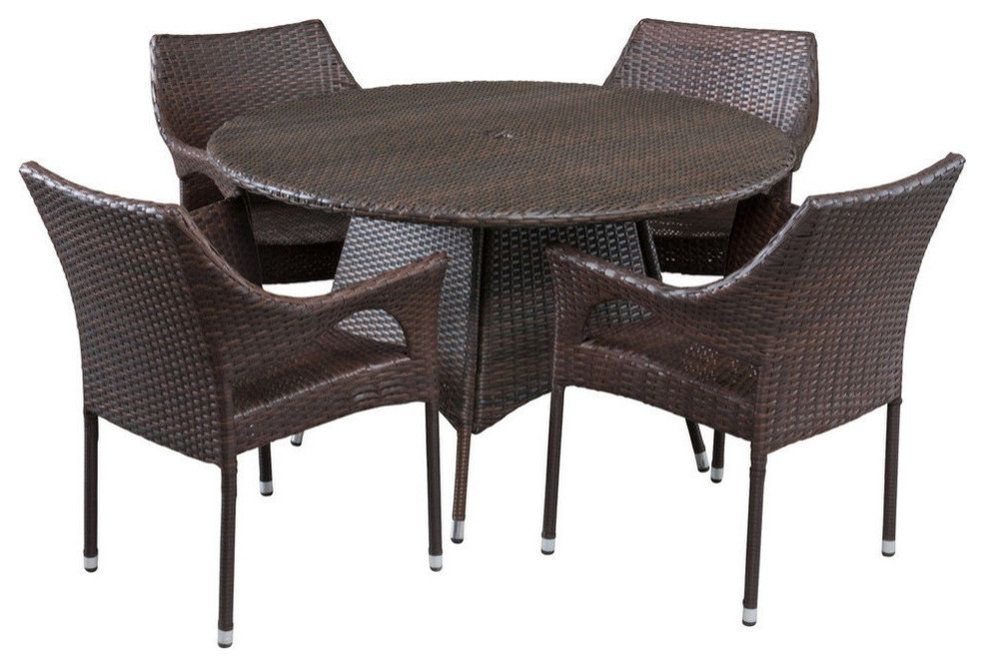
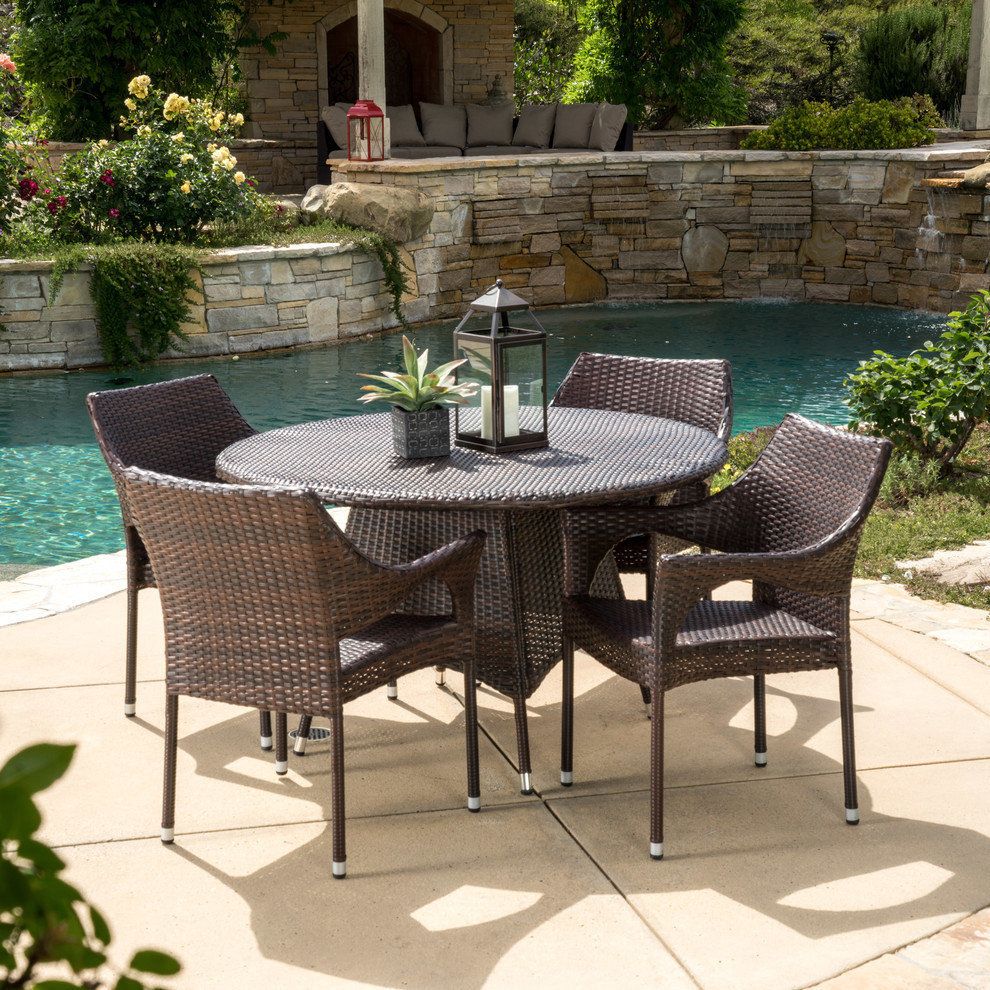
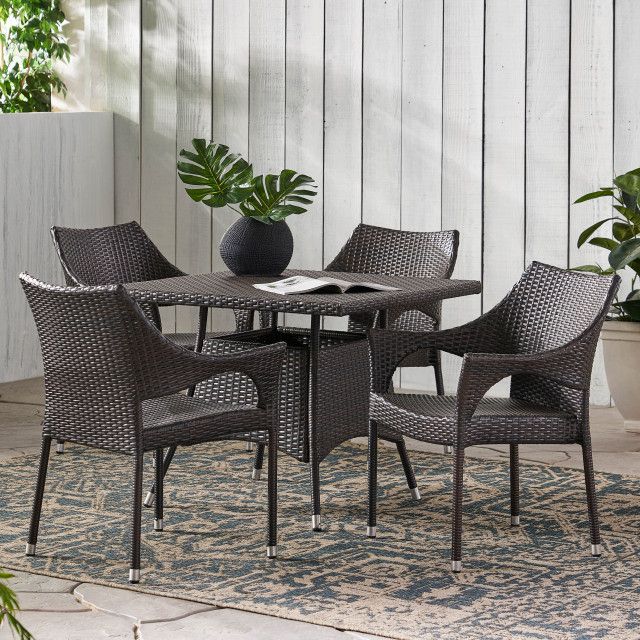
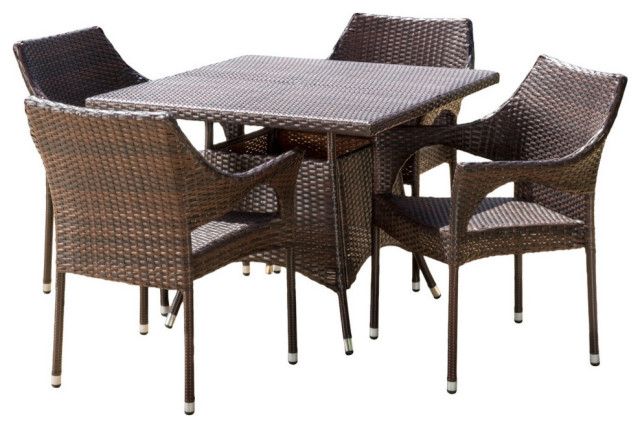
Picture this: You’ve invested in beautiful wicker furniture for your patio or garden, only to see it fade, crack, or break after just a few seasons. Sound familiar? It’s a common frustration, but there’s good news. With the right knowledge, you can pick wicker furniture that will last for years, even when exposed to rain, sun, and wind.
When it comes to outdoor living spaces, furniture plays a crucial role in creating comfort and style. Among the many materials available, wicker stands out as a favorite for its natural aesthetic and versatility. But let’s be honest – if you’ve ever owned wicker furniture outdoors, you know it’s not all sunshine and roses. The question everyone wants answered is: how well does wicker really hold up when faced with Mother Nature’s challenges?
What Is Wicker Made Of?
Before we dive into weather resistance, it helps to understand what wicker actually is. The term ‘wicker’ covers a wide range of materials. Traditional wicker is made from natural plant fibers like rattan, willow, or bamboo. These organic materials are woven together to create furniture that feels both rustic and elegant.
But modern wicker often refers to synthetic alternatives. These are typically made from materials like polyethylene or PVC, designed to mimic the look and feel of natural wicker while offering better durability. Some manufacturers even combine natural and synthetic materials to get the best of both worlds.
The material matters more than you might think. Natural wicker is prone to fading, warping, and rotting when exposed to moisture and UV rays. Synthetic wicker, however, is engineered to resist these issues, making it a much better choice for outdoor use.
Natural vs. Synthetic Wicker: What’s the Difference?
Let’s break down the main differences between natural and synthetic wicker. Natural wicker furniture is beautiful and eco-friendly, but it requires more care. If you want to keep it looking fresh year-round, you’ll need to apply protective treatments regularly. Even then, it won’t last forever under constant outdoor exposure.
Synthetic wicker, on the other hand, is built to withstand the elements. It’s often made from recycled plastic materials that don’t absorb water, making it resistant to mold, mildew, and insect damage. Many synthetic wicker pieces are designed to be maintenance-free, which means you can enjoy them without worrying about re-staining or re-sealing.
Here’s a quick comparison:
• Natural wicker: Requires regular maintenance, less durable outdoors
• Synthetic wicker: Low maintenance, highly weather-resistant
How Weather Affects Wicker Furniture
Weather isn’t just about rain and shine. It’s a combination of factors that can impact your wicker furniture over time. Let’s look at some of the main culprits:
• Sunlight: UV rays can cause fading and brittleness in both natural and synthetic wicker. Natural wicker tends to fade faster.
• Moisture: Water can seep into natural wicker, causing it to swell, warp, or rot. Synthetic wicker handles moisture much better.
• Temperature changes: Freezing and thawing cycles can cause stress on materials, especially if they’re not designed for such conditions.
• Wind: While not directly damaging, strong winds can cause furniture to shift or even tip over if not properly secured.
Understanding these forces helps you make better choices about which wicker furniture to buy and how to care for it.
Signs Your Wicker Furniture Is Deteriorating
Knowing what to look for can save you money and prevent disappointment. Here are common warning signs that your outdoor wicker furniture is struggling:
• Fading or discoloration: This is especially noticeable in natural wicker. If colors become pale or uneven, it’s time to consider protection.
• Cracking or splitting: When wicker becomes brittle and breaks easily, it’s usually past its prime.
• Warping or bending: This happens when the material absorbs too much moisture or is exposed to temperature extremes.
• Loose or missing strands: If individual wicker pieces start coming apart, it’s a sign of structural weakness.
• Mold or mildew growth: These thrive in damp conditions and can damage both natural and synthetic wicker.
Regular inspections can catch these issues early, allowing for repairs or replacements before they become major problems.
Factors That Determine Wicker Durability
Not all wicker furniture is created equal. Several factors affect how well it will hold up in outdoor conditions:
• Material quality: Higher-grade synthetic wicker is usually made with UV-stabilized plastics that resist fading and degradation.
• Construction method: Furniture built with stronger weaving techniques and reinforced joints tends to last longer.
• Coatings and treatments: Some wicker furniture is treated with protective layers that enhance weather resistance.
• Thickness and density: Thicker wicker strands generally provide more strength and longevity.
• Brand reputation: Established brands often invest more in research and development to improve their products.
When shopping for outdoor wicker, pay attention to these details. They’re often reflected in price, but they can also determine whether you’ll be happy with your purchase long-term.
Tips for Extending Wicker Furniture Lifespan
Even the best wicker furniture needs some TLC to stay in top shape. Here are some practical ways to make your outdoor wicker last longer:
• Store during harsh weather: If possible, move furniture indoors or cover it during winter months or severe storms.
• Clean regularly: Remove dirt, debris, and bird droppings that can cause staining or deterioration.
• Apply protective treatments: For natural wicker, use appropriate sealers or stains to protect against moisture and UV damage.
• Check for loose parts: Tighten screws or reweave damaged sections before they worsen.
• Use furniture covers: High-quality covers can protect wicker from rain, sun, and dust.
• Position carefully: Place furniture away from areas prone to heavy moisture or direct sunlight.
These simple steps can add years to your wicker furniture’s life and keep it looking great.
Choosing outdoor wicker furniture is about balancing beauty, comfort, and durability. Natural wicker offers a classic charm, but it requires more upkeep. Synthetic wicker provides a more practical solution for those who want low-maintenance outdoor seating. By understanding what affects wicker’s lifespan and taking proper care of your pieces, you can enjoy them for many seasons to come. The key is making informed decisions based on your lifestyle and climate conditions. Whether you’re drawn to the organic appeal of natural wicker or the practicality of synthetic alternatives, there’s a solution that works for your outdoor space.