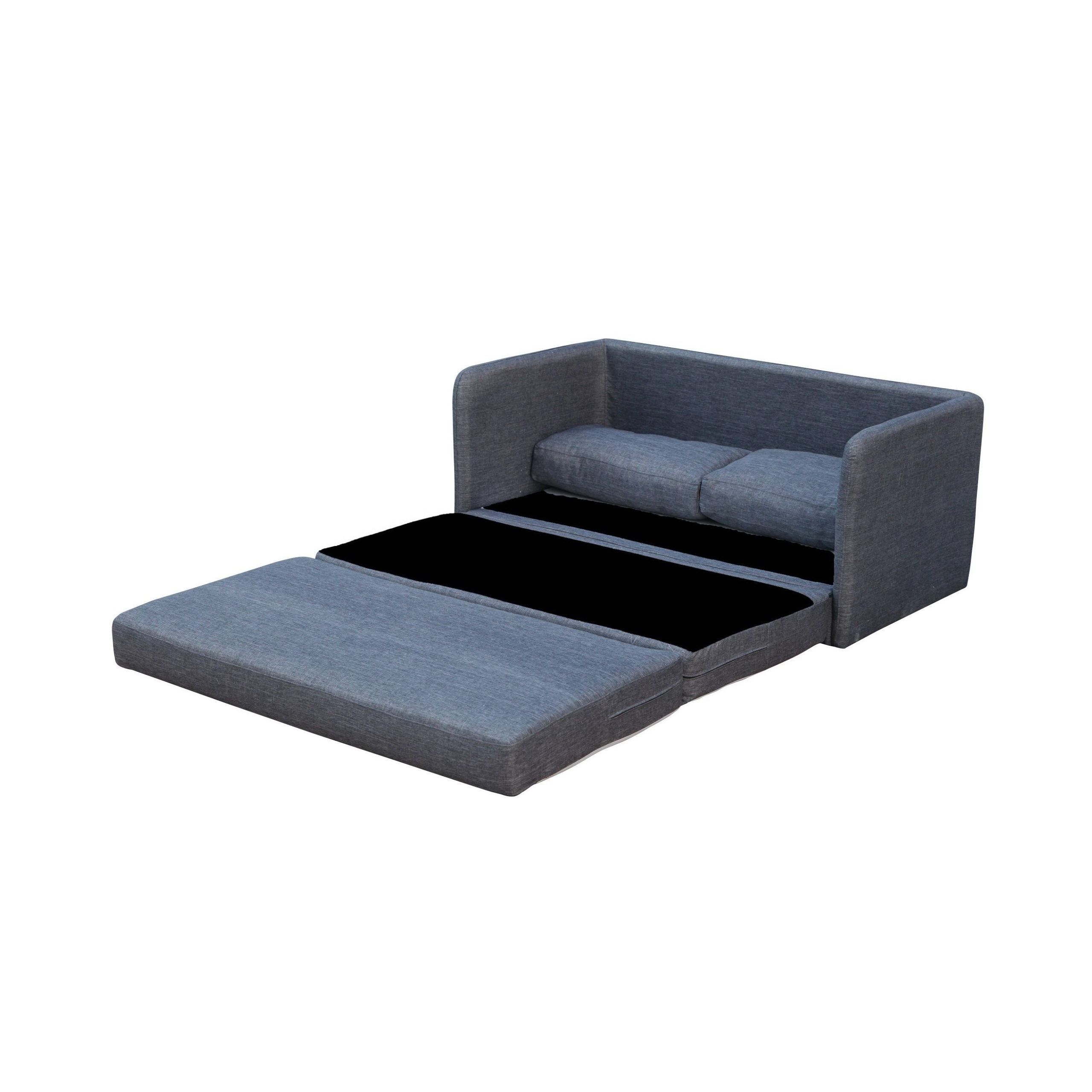
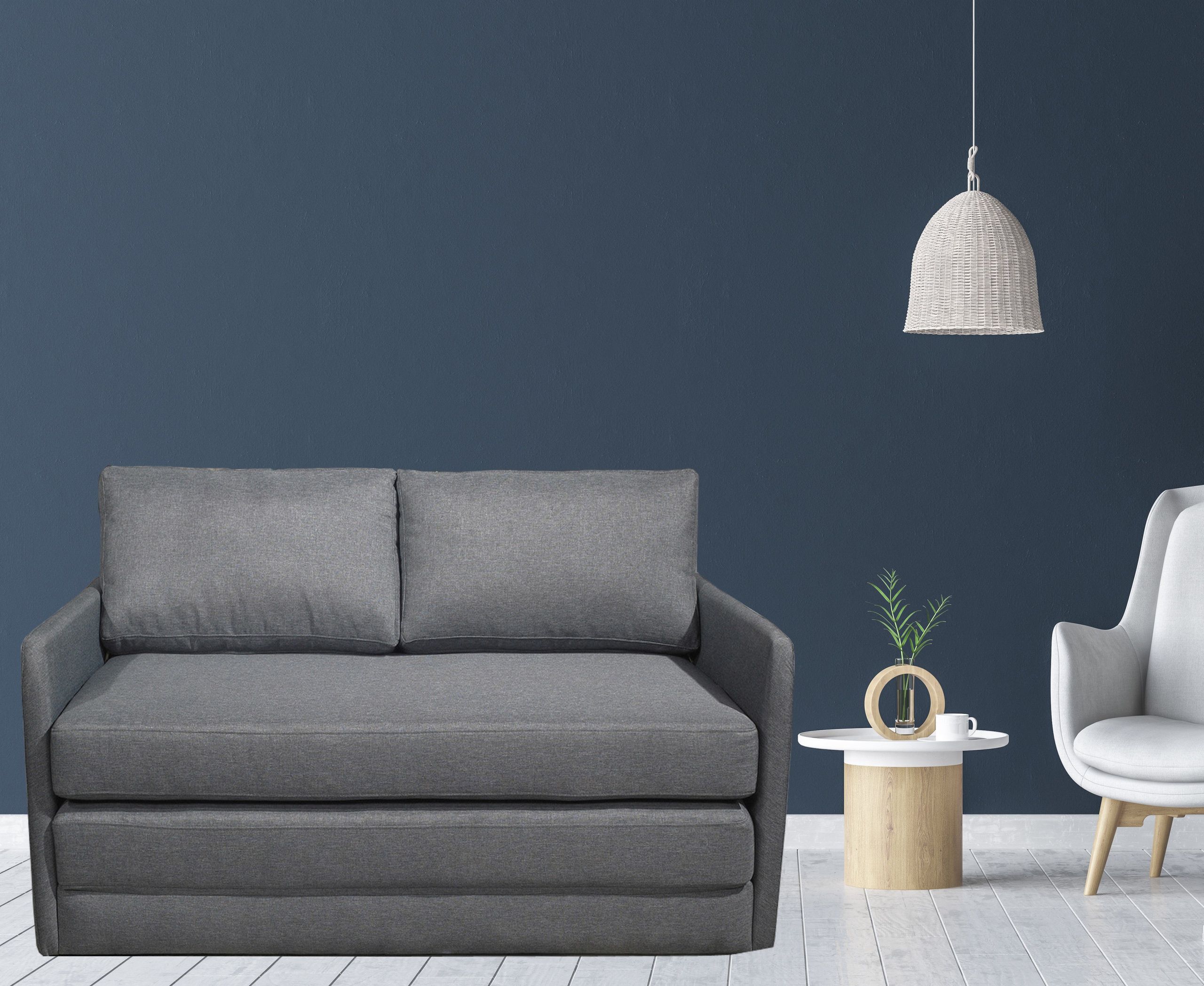
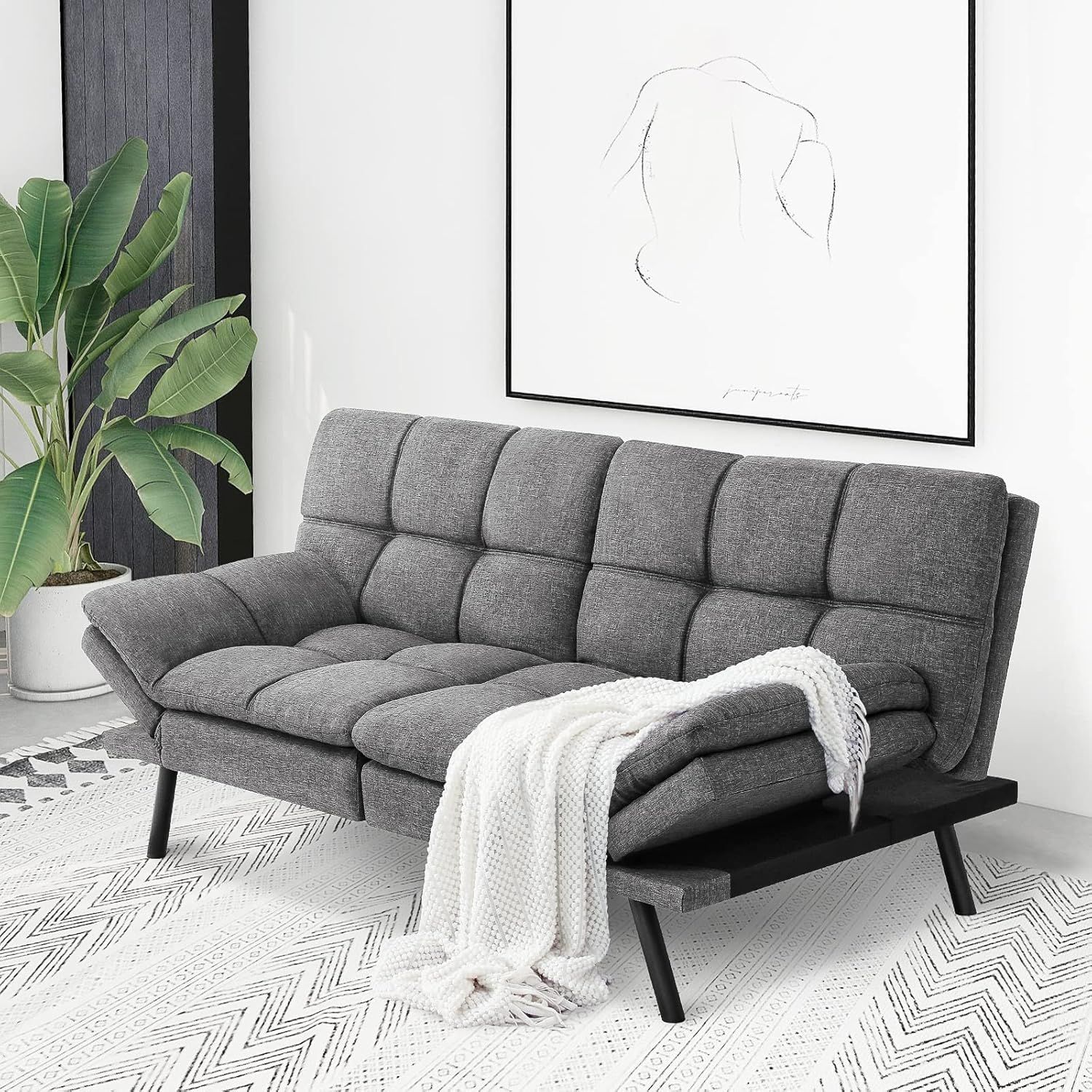
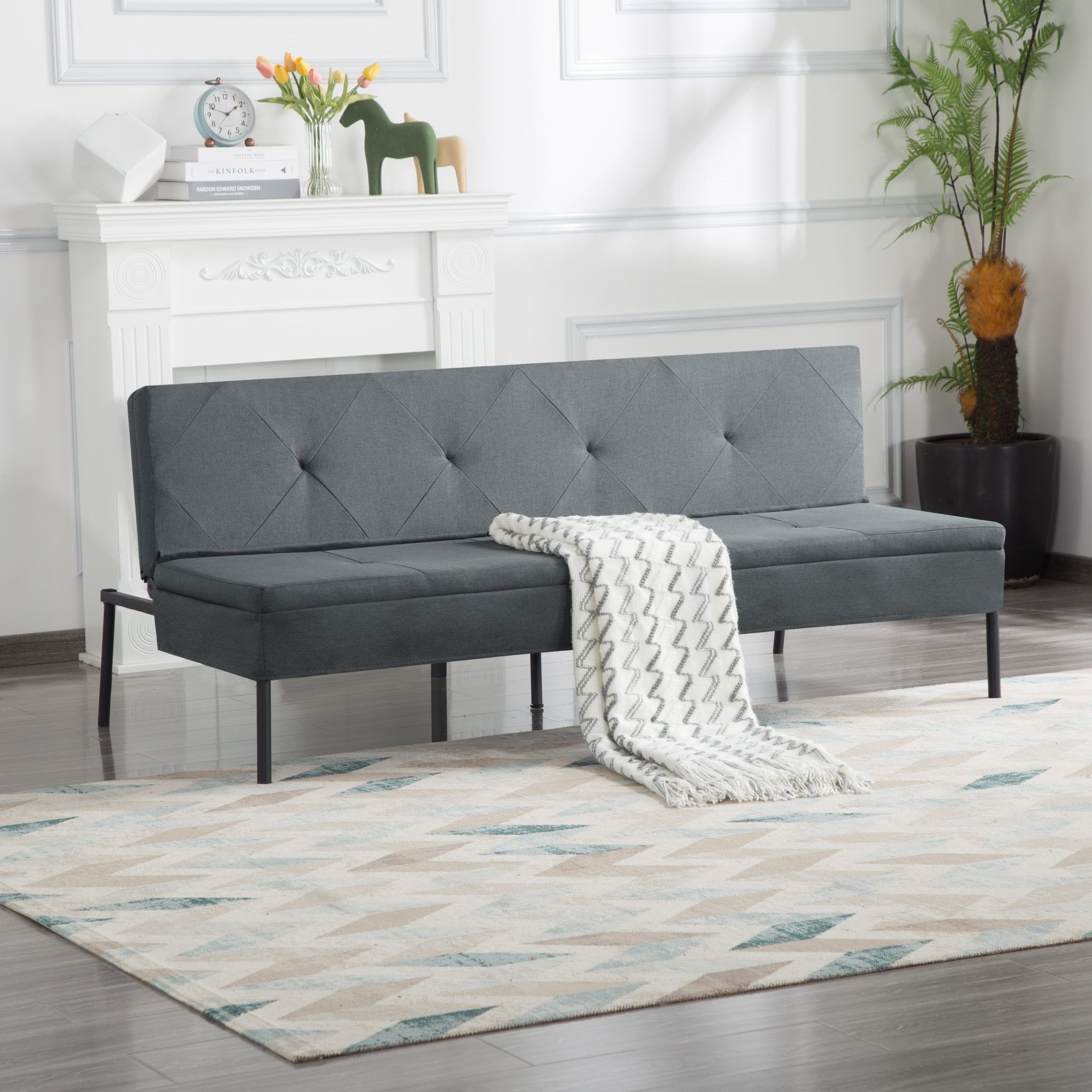
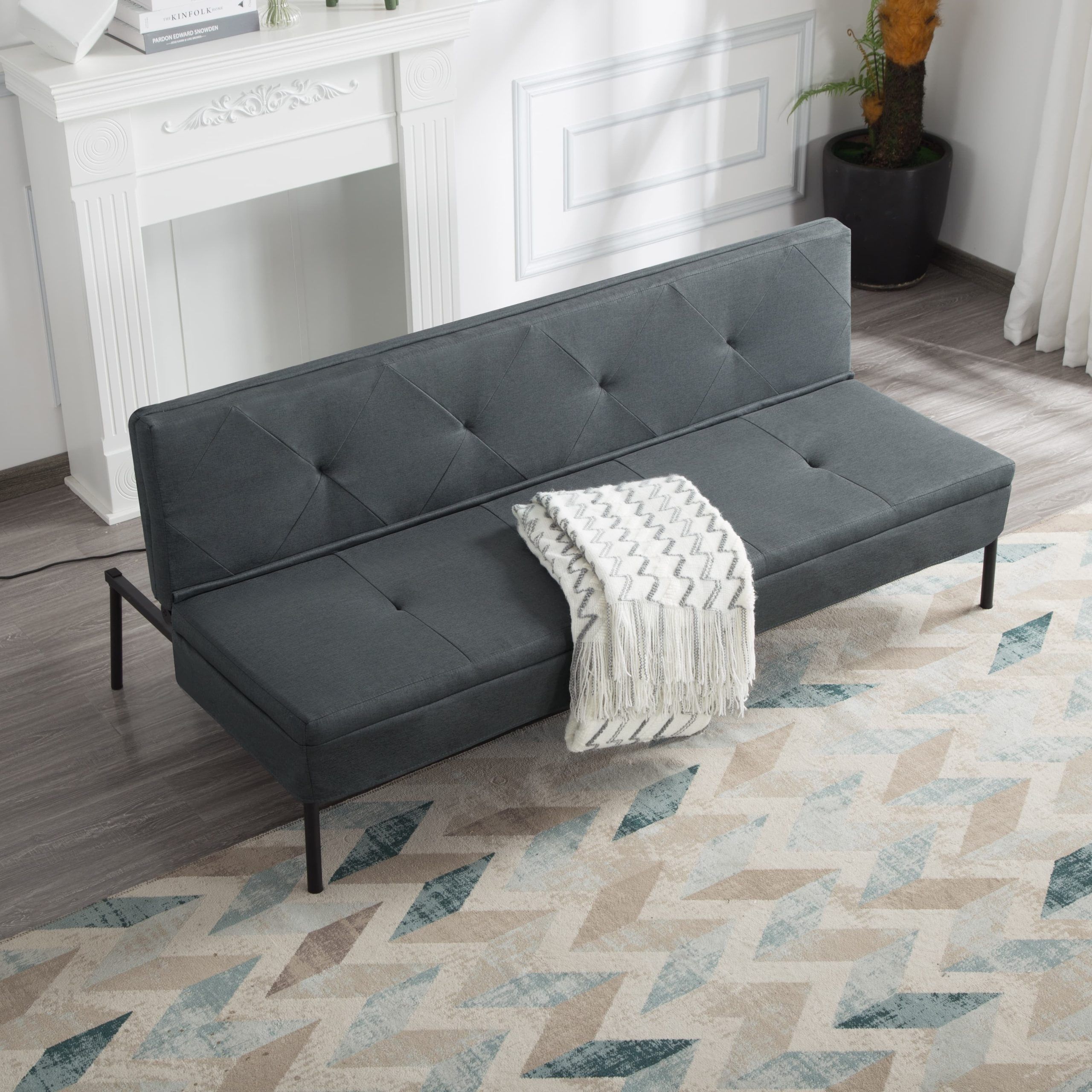
Picture this: you’re sitting on a comfortable sofa, suddenly needing a place to rest for the night. In the past, this meant either a temporary bed or a very uncomfortable mattress. But what if there was a better way? That’s exactly what Phillip Sleeper’s futon sofa design accomplished – turning ordinary living room furniture into extraordinary sleep solutions.
Sleep is one of humanity’s most fundamental needs, yet our approach to it has evolved dramatically over the decades. The story of sleep comfort isn’t just about mattresses or pillows – it’s about how we’ve reimagined entire spaces to accommodate our need for rest. Phillip Sleeper’s contribution to this evolution represents a pivotal moment in how we think about furniture and sleep. What started as a simple idea – creating a sofa that could double as a bed – became a revolution in domestic comfort. This journey took us from basic couches to sophisticated sleeping solutions that seamlessly blend form and function.
The Birth of a Revolutionary Idea
Phillip Sleeper didn’t just stumble upon his futon concept by accident. It was born from practical necessity and creative thinking. Back in the early days, people had limited space and even fewer options for comfortable sleeping arrangements. Imagine a small apartment where every square foot counted, yet someone still needed a place to sleep comfortably. That’s when the idea struck – why not make furniture that served multiple purposes?
Sleeper’s genius wasn’t just in the design itself, but in understanding that people wanted to maximize their living spaces. He realized that the average American household could benefit from a piece of furniture that could transform from a sofa during the day to a proper bed at night. This wasn’t just about convenience – it was about making the most of every inch of available space.
The early models were surprisingly simple, but they worked. People loved the idea of having a comfortable place to sleep without sacrificing their living room’s aesthetics. It was revolutionary because it addressed a real problem: how do you have a functional home when space is limited?
Design Philosophy and Innovation
What sets Phillip Sleeper’s futon sofas apart isn’t just their functionality, but their thoughtful design philosophy. Every element was carefully considered to ensure maximum comfort while maintaining practicality. The frame construction became crucial – it had to be strong enough to support both daily use as a sofa and nightly use as a bed.
The materials used in these futons were another game-changer. Traditional futon designs often felt rigid or uncomfortable. Sleeper’s team experimented with different fabrics, foams, and filling materials to find the perfect balance between support and softness. They discovered that certain combinations could provide the right amount of give while still offering adequate back support.
Consider the difference between a futon that feels like lying on a hard board versus one that feels like sinking into a cloud. The evolution involved countless prototypes, testing, and adjustments. The goal was never just to make something that worked, but something that felt good to use. This attention to detail created a new standard for sleep comfort in residential settings.
Comfort Evolution Through Material Science
The advancement in sleep comfort through futon design really took off when material science began playing a bigger role. Early futons relied heavily on basic padding and springs, but the evolution brought new possibilities. Memory foam emerged as a major breakthrough, offering pressure relief that adapted to the body’s shape.
Modern futon designs now incorporate layered cushioning systems. The top layer provides immediate comfort and support, while deeper layers offer sustained pressure relief. Think of it like a sandwich – each layer has its purpose, but together they create something much more effective than any single component.
Some futons feature adjustable firmness levels, allowing users to customize their sleep experience based on personal preference or physical needs. This kind of personalization was unheard of in earlier generations of futon design. The integration of breathable fabrics also helped address common issues with heat retention, making these sofas more suitable for year-round use.
Space Optimization and Urban Living
In today’s urban environment, where living spaces are increasingly compact, the futon sofa has become more than just furniture – it’s a lifestyle solution. Phillip Sleeper’s design philosophy perfectly aligns with modern living trends, especially in cities where square footage is expensive and limited.
The concept of multi-functional furniture has gained massive popularity, particularly among younger demographics who prioritize flexibility and efficiency in their homes. A futon sofa allows people to maintain a social living space during the day while having a private sleeping area at night. This dual functionality means no need for separate dining areas or bedrooms.
Consider a studio apartment in New York City. The same piece of furniture can serve as a conversation area for friends, a reading nook during the day, and a comfortable bed at night. This versatility becomes incredibly valuable when you’re paying premium prices for minimal space. The evolution of futon design reflects changing lifestyles and priorities.
Cultural Impact and Social Change
The influence of futon sofas extends far beyond simple furniture design. These pieces have shaped how people think about their living spaces and social interactions. When a sofa can transform into a bed, it changes the dynamics of how families and friends interact within the same room.
In many cultures, the concept of shared sleeping spaces has deep historical roots. However, the modern futon design has given this tradition a new lease on life. People can host overnight guests without the hassle of setting up temporary sleeping arrangements. This ease of hospitality has made homes more welcoming and flexible.
The social implications are significant. Families can share sleeping areas more easily, guests can feel more comfortable staying overnight, and communities can develop around shared living spaces. The futon has essentially democratized the concept of flexible sleeping arrangements, making them accessible to a broader range of people.
Modern Adaptations and Future Trends
Today’s futon sofas represent the culmination of decades of refinement and innovation. Modern designs incorporate smart technology, sustainable materials, and ergonomic principles that previous generations couldn’t have imagined. The future of sleep comfort through futon design looks incredibly promising.
Smart futons now feature built-in lighting, temperature control, and even massage functions. These aren’t just luxury additions – they’re practical improvements that enhance sleep quality. The integration of technology shows how futon design continues to evolve with changing consumer expectations.
Sustainability has also become a major factor in modern futon development. Eco-friendly materials, recyclable components, and energy-efficient manufacturing processes are becoming standard rather than exceptional. This shift reflects broader societal concerns about environmental impact and responsible consumption.
Looking ahead, we might see even more integration between furniture and wellness technologies. The futon’s evolution from simple sofa to complex sleep system represents how thoughtful design can solve real human problems in unexpected ways.
The journey of sleep comfort through Phillip Sleeper’s futon sofa design tells us something profound about human ingenuity and adaptability. What began as a simple solution to a common problem has evolved into a sophisticated approach to how we live, sleep, and interact with our environments. These sofas didn’t just change furniture – they changed how we think about space, comfort, and lifestyle.
The legacy of futon design continues to grow as our lives become more dynamic and our living spaces more constrained. Each innovation builds upon previous discoveries, creating a foundation for even better sleep experiences. Whether you’re a city dweller with limited space or someone who simply values versatile furniture, the evolution of futon design offers something valuable. The future holds even more exciting possibilities for how we’ll continue to reimagine sleep comfort through thoughtful furniture design. This transformation reminds us that sometimes the most important innovations come from the simplest ideas – the desire to make life more comfortable and efficient.