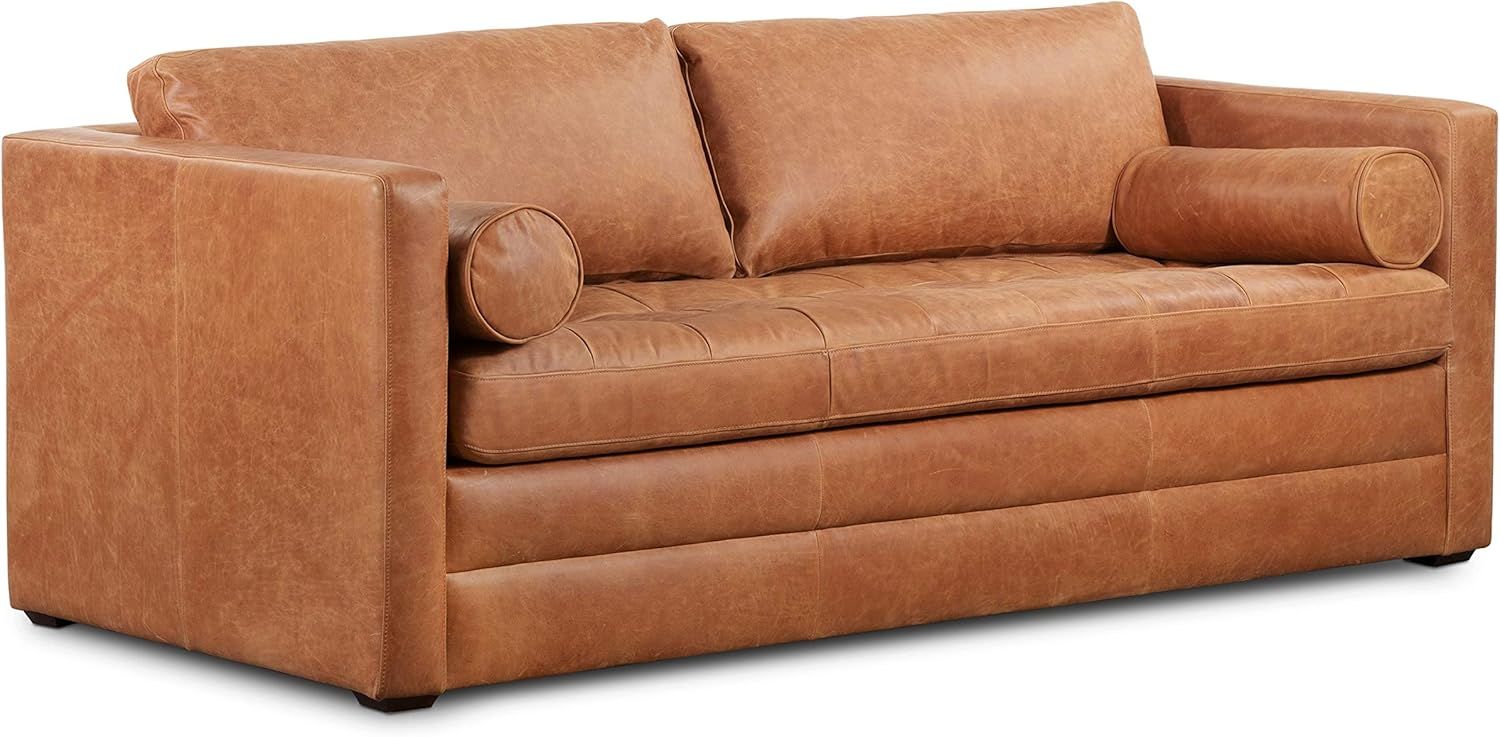
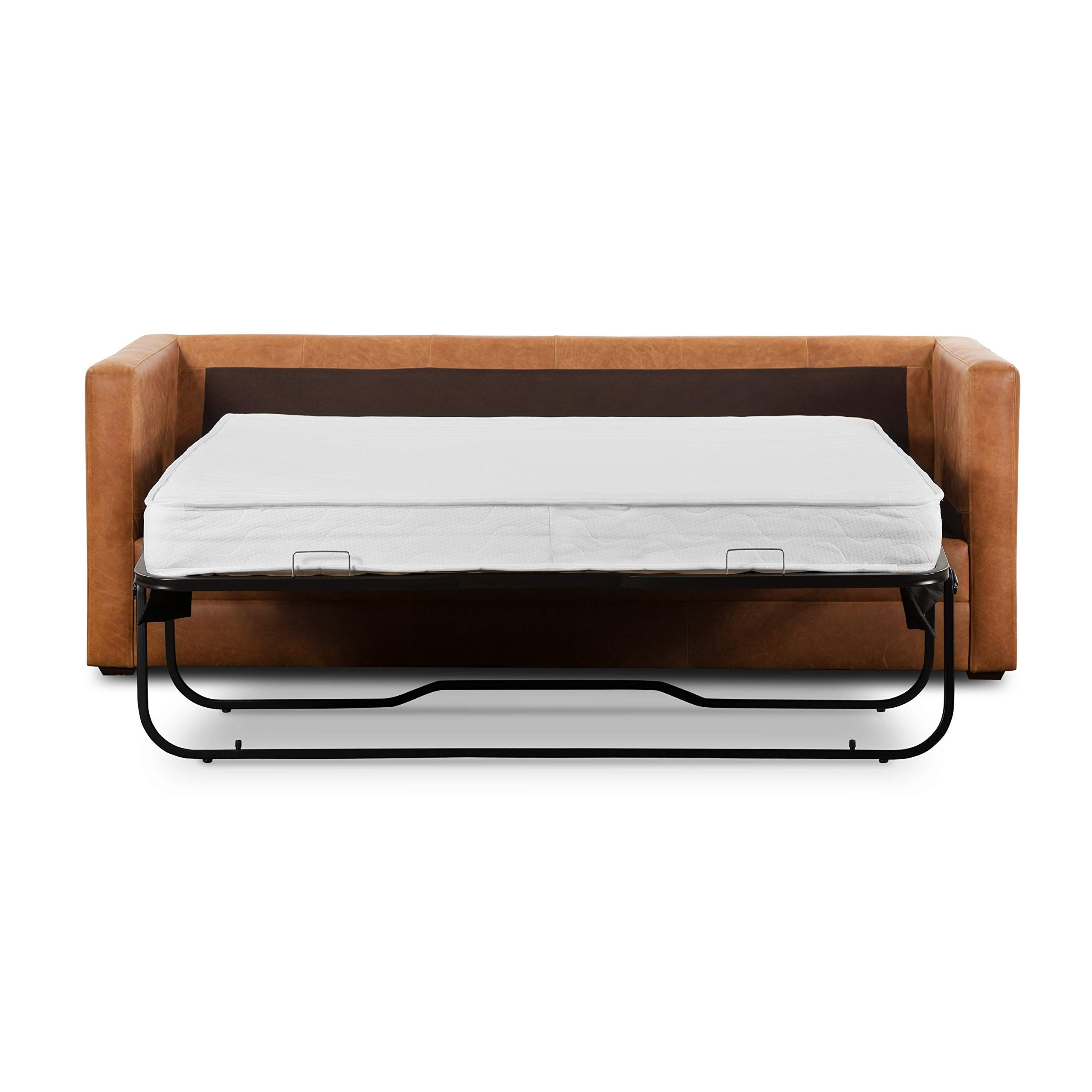
Picture this: you’ve invested in the perfect sofa, the one that looks amazing in your living room and feels like a cloud. But after a few months, you start noticing wear and tear. Maybe some scratches, or maybe the fabric is starting to look worn out. Now imagine if you could have that same beautiful look, but with added resilience and longevity. That’s where leather comes in. It’s not just about looking good – it’s about creating furniture that truly lasts. Leather upholstery offers something special that other materials simply can’t match.
When we think about living room furniture, we often focus on aesthetics first. We want something that looks great, fits our space, and matches our style. But there’s another crucial factor that makes or breaks a piece of furniture: durability. And when it comes to achieving that perfect balance between beauty and longevity, leather stands out as a top choice. Whether you’re dealing with kids running around, pets jumping on the furniture, or simply everyday wear and tear, leather has a unique ability to withstand the test of time. It’s not just about looking good – it’s about creating furniture that truly lasts.
The Natural Resilience of Leather
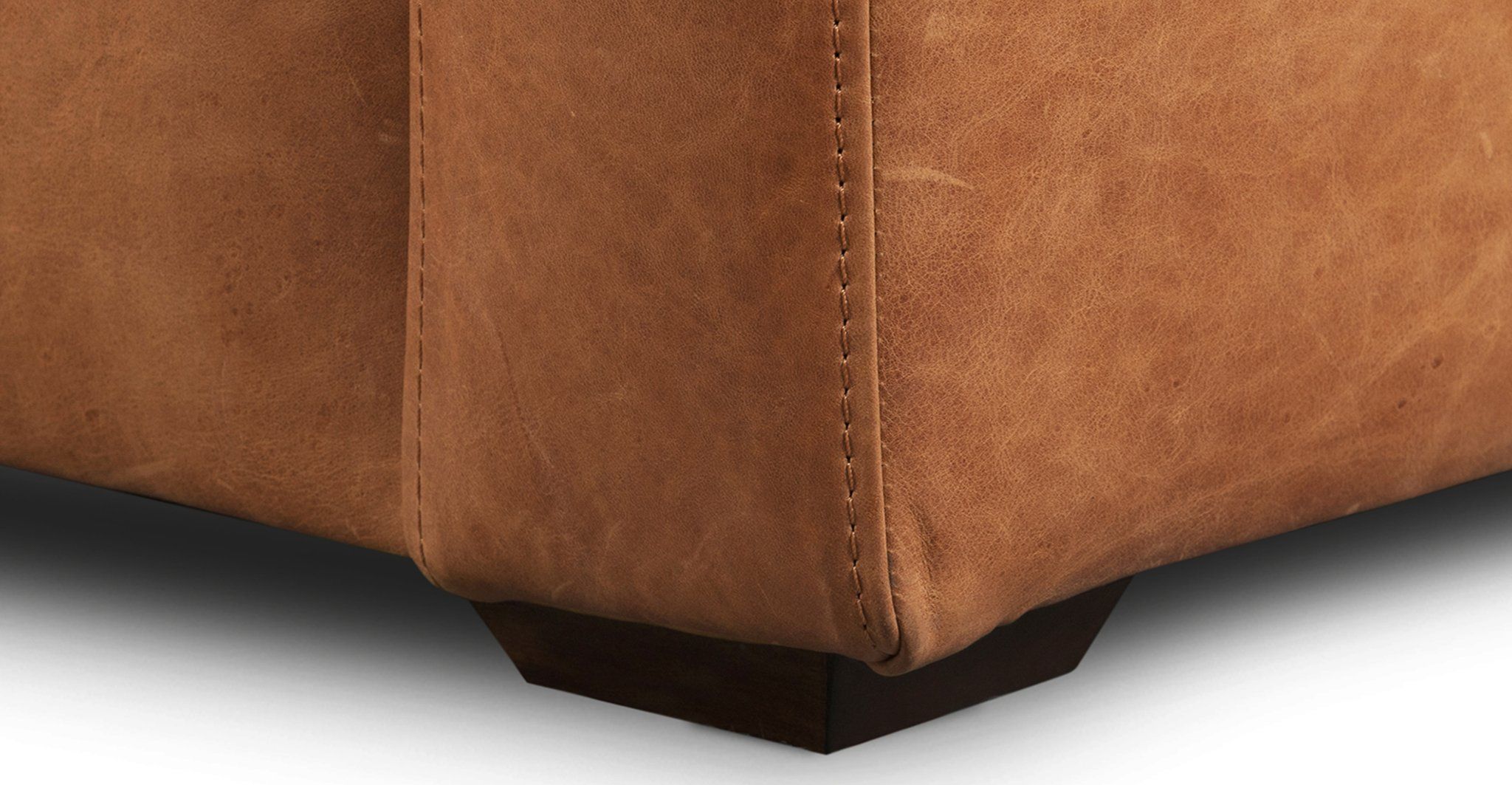
Leather is naturally tough. Unlike fabric or synthetic materials, leather has been used for centuries because of its remarkable strength. Think about it – leather comes from animal hides, which means it’s already designed to protect and endure. When you consider that leather furniture can last 20-30 years or more with proper care, it’s easy to see why it’s such a smart investment. The fibers in leather are incredibly strong and resilient. They don’t break down easily under normal use conditions. You might notice that leather develops a beautiful patina over time, which actually adds character rather than detracting from the appearance. This natural aging process is something that fabric simply cannot replicate. For instance, a well-maintained leather sofa from the 1970s still looks stunning today. It’s not just about surviving – it’s about thriving with age.
Resistance to Wear and Tear
One of the most impressive things about leather is how it handles daily abuse. Scratches might leave marks, but they’re usually superficial and fade over time. Compared to fabric, which can get permanently stained or torn, leather is much more forgiving. It’s not immune to damage, but it’s far more resistant. A dog’s claws might leave small marks, but these often disappear with regular conditioning. Kids’ crayons can be wiped off without leaving residue. Even spills don’t penetrate deeply into leather like they do with fabric. The surface is smooth and non-porous, making cleanup straightforward. Consider a family room where children play and pets nap regularly – leather holds up beautifully while fabric might need replacement every few years. This resistance isn’t just theoretical either; it’s backed by decades of real-world testing and use.
Easy Maintenance and Cleaning
Let’s talk about the practical side of things. Leather requires much less maintenance than fabric upholstery. While fabric might need professional cleaning every year or two, leather can be maintained with simple wiping and occasional conditioning. Most leather furniture can be cleaned with just a damp cloth and mild soap. You don’t have to worry about deep cleaning or expensive treatments. The maintenance routine is straightforward and manageable. You simply wipe down the surface weekly, apply conditioner monthly, and occasionally vacuum the crevices. This makes leather particularly appealing for busy families or anyone who wants to avoid the hassle of frequent professional cleaning. It’s also worth noting that leather doesn’t attract dust mites or harbor allergens like some fabrics do. This makes it a healthier choice for sensitive individuals.
Aesthetic Appeal and Versatility
Leather doesn’t just last longer – it also looks incredible. It has a natural beauty that’s hard to match. The way light reflects off genuine leather creates depth and dimension that makes furniture appear more sophisticated. There are countless finishes available, from rich browns to bold blacks, and everything in between. You can find leather that mimics the look of exotic skins or keeps it classic and timeless. The versatility extends beyond color – there are different textures too. Smooth leather offers elegance, while nubuck provides a more casual, relaxed feel. This variety means you can find leather that fits any style, whether modern, traditional, or somewhere in between. The look improves with age, developing a rich, supple feel that’s both comfortable and visually appealing. Plus, leather is incredibly adaptable to different design schemes, making it a versatile choice for any home.
Long-Term Cost Effectiveness
When you compare the upfront cost of leather furniture to fabric alternatives, it might seem higher initially. However, when you factor in replacement costs over time, leather becomes a much smarter financial decision. Fabric furniture might need replacing every 5-8 years, while quality leather can last 20-30 years or more. This means fewer purchases, less waste, and better value over time. Many leather pieces are made with high-quality construction techniques that ensure structural integrity. The investment pays off in the long run. Additionally, leather furniture often increases in value rather than depreciating. Vintage leather pieces are highly sought after by collectors and interior designers. It’s not just about saving money – it’s about making a wise financial choice that pays dividends for decades.
Health Benefits and Comfort
Beyond durability and appearance, leather offers several health advantages. It’s naturally breathable, which means it won’t trap heat or moisture like some synthetic materials. This makes it more comfortable during warmer months. Leather also doesn’t absorb odors easily, keeping your living space smelling fresh. For those with allergies, leather is generally a better choice since it doesn’t harbor dust mites, mold, or bacteria. The material is also hypoallergenic, which is important for sensitive individuals. The comfort factor is another benefit – leather molds to your body over time, creating a personalized seating experience. It’s firm enough to provide support but soft enough to feel luxurious. The texture is also easy to clean, which helps maintain hygiene standards in your home. These factors combine to make leather a healthier choice for your family.
The case for leather upholstery in living room furniture is compelling. From its natural strength and resistance to wear to its ease of maintenance and long-term value, leather offers benefits that go far beyond simple aesthetics. It’s a practical choice that combines style with substance. While it may require a slightly higher initial investment, the longevity and health benefits make it a smart decision for any homeowner. Whether you’re furnishing a new home or refreshing an existing space, leather furniture provides the perfect blend of durability and sophistication. It’s furniture that truly stands the test of time, both literally and figuratively. So next time you’re shopping for living room furniture, consider what leather can bring to your space – it might just be the best decision you make for years to come.