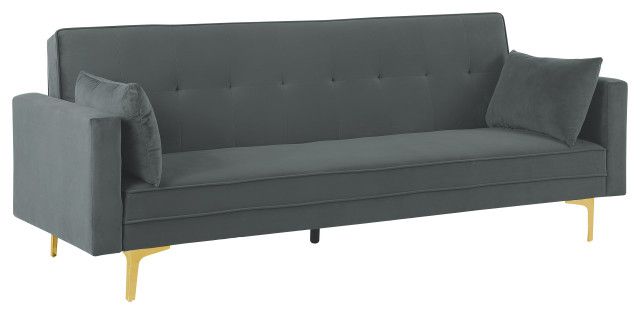
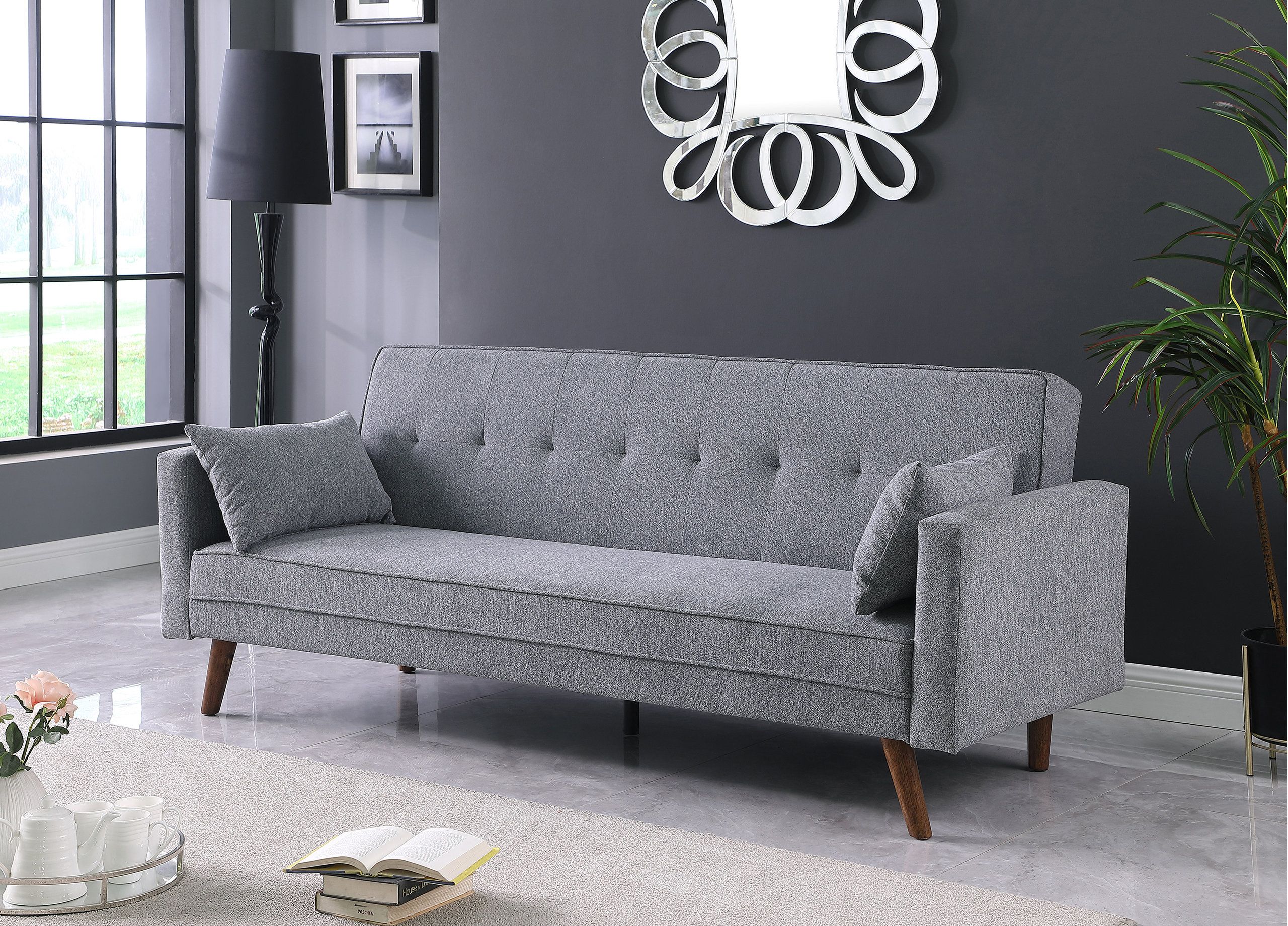
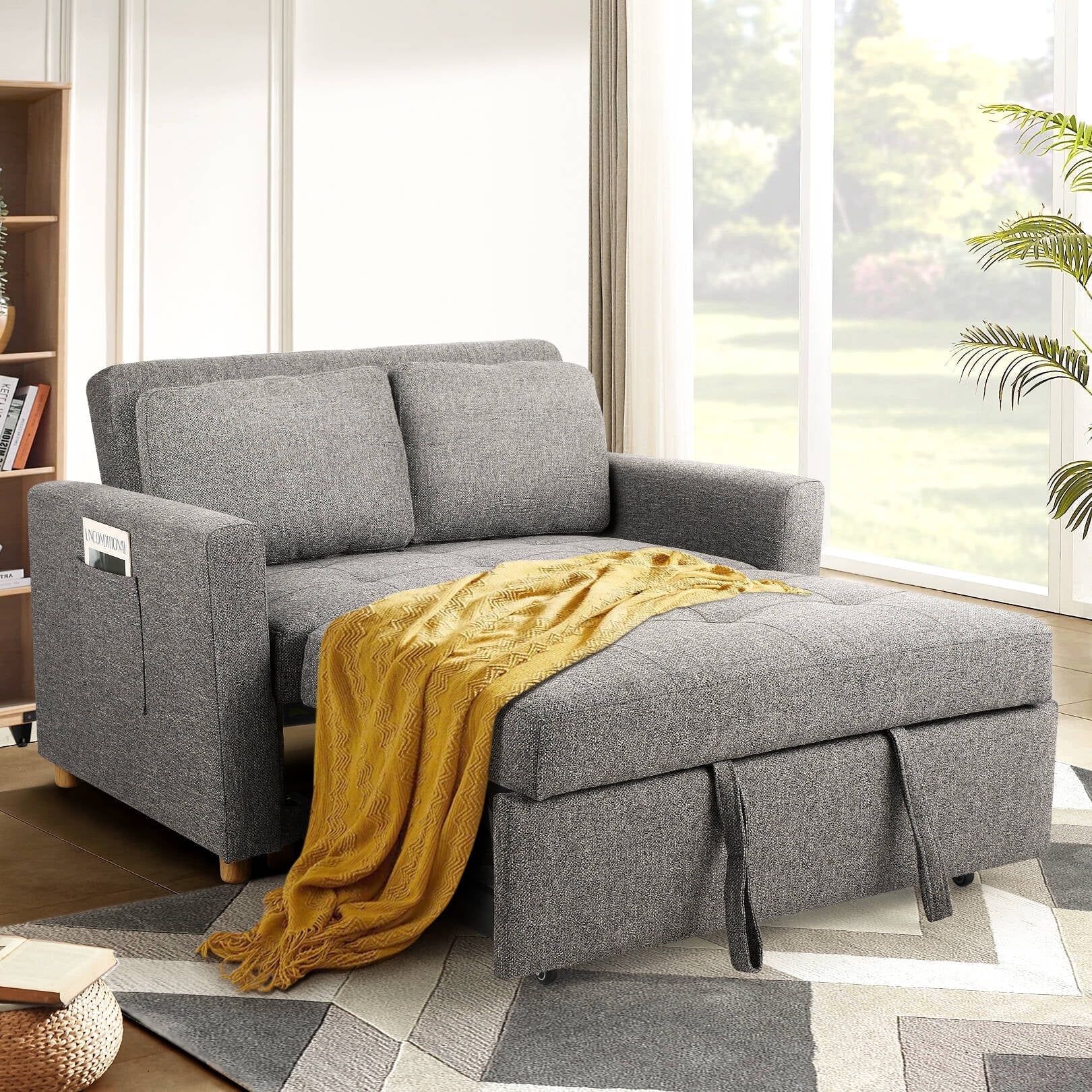
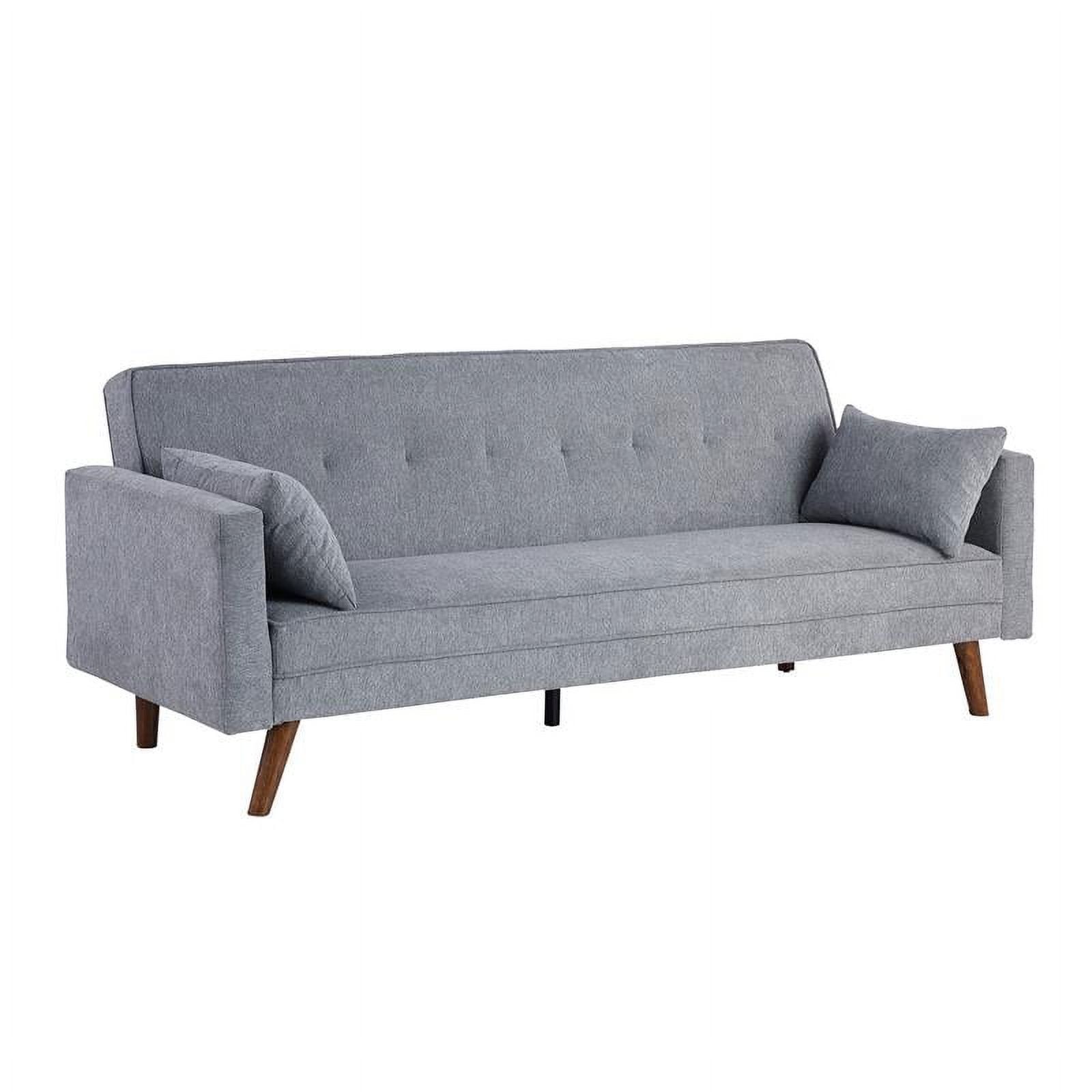
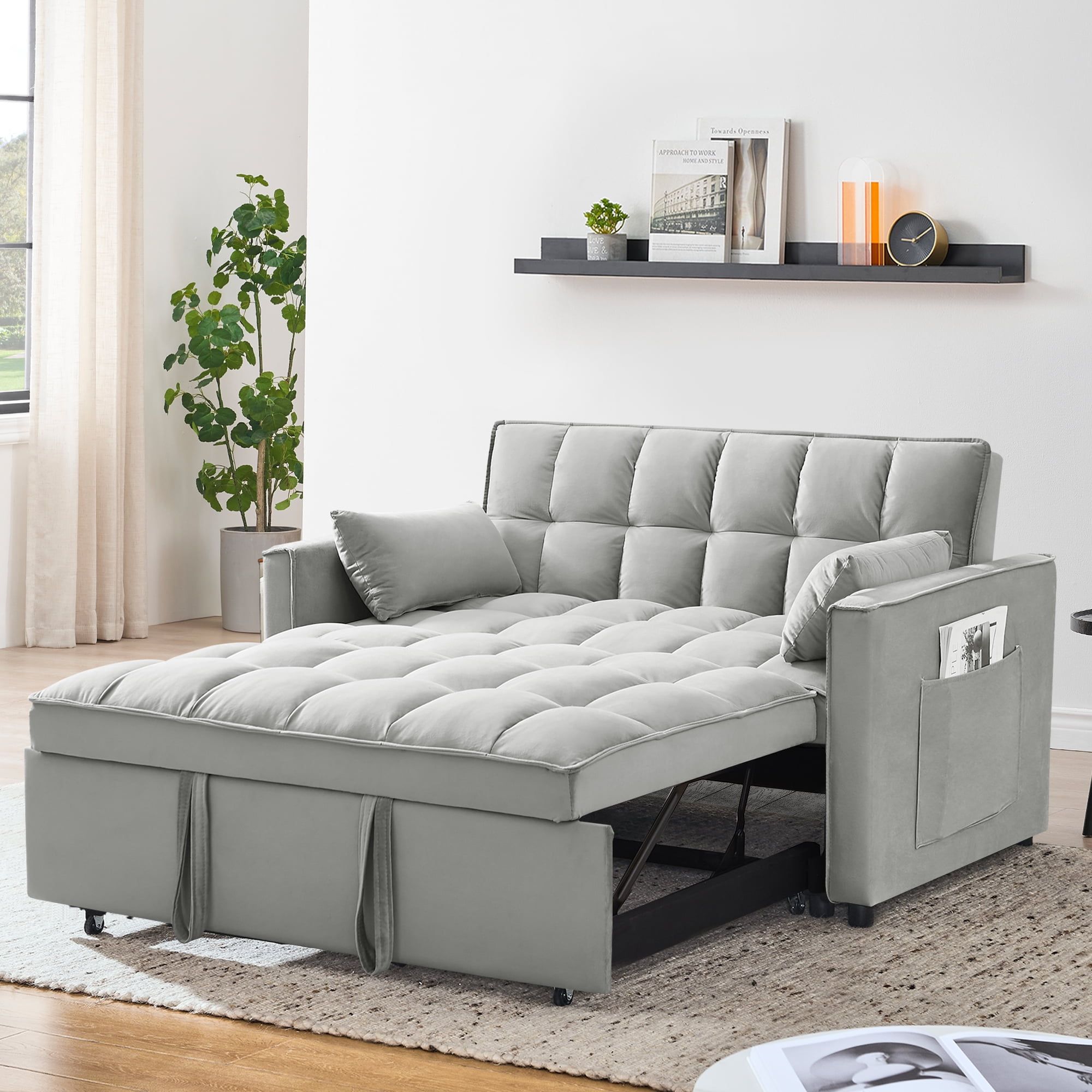
Picture this: You’re settling into a comfortable sleeper sofa, the kind that’s been designed specifically to support your body while you catch some zzz’s. But there’s something special about this one. It’s not just about the softness or the way it cradles you. This particular piece has memory foam pillows built right in. It’s like having a personal sleep therapist in your living room. The question isn’t just whether it works – it’s how it transforms your entire approach to rest and relaxation.
When we think about sleep, we often focus on the bed itself, but the truth is, our entire sleeping environment matters. That’s where sleeper furniture comes into play – pieces designed not just for lounging, but for actual rest. And when memory foam pillows become part of that equation, something magical happens. These aren’t just any pillows – they’re engineered to respond to your body heat and weight, molding to your unique shape. It’s like getting a custom-made sleep experience every single time you use it. What started as a simple concept has evolved into a sophisticated approach to better sleep, especially for those who spend significant time on their sleeper furniture.
Understanding Memory Foam Technology
Memory foam was originally developed by NASA in the 1960s to improve crash protection for aircraft cushions. It wasn’t until the 1970s that it found its way into consumer products, particularly mattresses and pillows. The magic lies in its viscoelastic properties – it’s both viscous and elastic. When pressure is applied, it slowly deforms and then returns to its original shape. This means when you lie down, it conforms to your body, providing support exactly where you need it most.
Think about it this way: instead of lying on a firm surface that might leave you feeling uncomfortable, you’re actually lying on a material that responds to your body’s unique contours. The temperature sensitivity of memory foam makes it even more effective – it becomes softer when it warms up to your body heat, creating that perfect, personalized fit. This property alone can significantly reduce pressure points and provide better spinal alignment during sleep.
Enhanced Comfort Through Body Mapping
One of the most compelling aspects of memory foam pillow integration is how it maps your body. Every person’s body shape is different, and traditional pillows often fail to accommodate this diversity effectively. Memory foam adapts to your individual form, ensuring that:
• Your head and neck stay properly aligned
• Pressure points are distributed evenly
• Your spine maintains its natural curve
• You experience less tossing and turning
This body mapping effect is particularly beneficial for side sleepers, who often struggle with shoulder and hip discomfort. When a memory foam pillow conforms to their unique shape, it provides the necessary support to keep their spine straight, reducing the likelihood of waking up with a stiff neck or back pain. The result? A more restful night’s sleep, even if you’re using your sleeper furniture for extended periods.
Improved Sleep Quality and Reduced Disruption
Quality sleep isn’t just about how long you sleep – it’s about how well you sleep. Memory foam pillows integrated into sleeper furniture can significantly impact your sleep cycle. When your body is properly supported, you’re less likely to wake up due to discomfort. This leads to:
• Longer periods of uninterrupted sleep
• Better deep sleep stages
• Reduced nighttime awakenings
• More consistent sleep patterns
Imagine being able to fall asleep on your sleeper furniture and not worrying about how you’ll feel in the morning. That’s what happens when your body receives the support it needs throughout the night. For many people, this translates to feeling more refreshed and alert during the day, which affects everything from productivity to mood.
The consistency of memory foam’s support also means that you’re less likely to experience the jerky movements that can disrupt sleep. Instead of shifting around trying to find a comfortable position, your body stays in place, supported by the material that knows exactly where it needs to be.
Benefits for Different Sleeping Positions
Not everyone sleeps the same way, and that’s okay. Memory foam pillows in sleeper furniture work differently for each sleeping position:
For back sleepers, the material helps maintain proper neck alignment, preventing that dreaded ‘head nodding’ that can cause neck strain. The pillow cradles the head gently, keeping it in line with the spine.
Side sleepers benefit enormously from the pressure relief that memory foam provides. When lying on their side, shoulders and hips are often the most uncomfortable areas. The memory foam pillow adapts to fill the gap between the head and shoulder, providing cushioning where it’s needed most.
Stomach sleepers might find the support slightly different, but the material still offers good neck elevation while maintaining spinal alignment. The key is finding the right thickness and density of the memory foam for your specific needs.
This adaptability means that regardless of how you prefer to sleep, you’re more likely to find a comfortable position that supports your body naturally.
Durability and Long-Term Value
Memory foam pillows integrated into sleeper furniture aren’t just about immediate comfort – they’re about long-term investment in your well-being. High-quality memory foam is known for its durability, lasting anywhere from 8 to 15 years with proper care. This longevity makes it a smart choice for furniture that gets regular use.
Unlike traditional pillows that flatten out after a few months, memory foam maintains its shape and supportive qualities much longer. This means fewer replacements, less waste, and more consistent comfort over time. The material also resists dust mites and allergens better than traditional stuffing materials, which is a plus for anyone with allergies or respiratory issues.
Additionally, the integration means that the pillow becomes part of the furniture structure rather than an add-on accessory. This reduces the chance of it becoming misplaced or damaged, making it a more reliable sleep solution.
Practical Considerations and Care
While memory foam pillow integration offers incredible benefits, there are some practical considerations to keep in mind:
• Temperature regulation – Some people find memory foam retains heat, which might be uncomfortable in warmer climates or for hot sleepers
• Initial odor – New memory foam may have a slight smell that usually fades within a few days
• Weight considerations – The material adds some weight to the furniture, which might affect portability
• Cleaning requirements – While generally easy to maintain, memory foam requires specific care methods
These factors don’t necessarily detract from the overall benefits, but they’re important to consider when choosing sleeper furniture with memory foam integration. Many manufacturers now offer cooling variants or gel-infused memory foam to address heat retention concerns. The initial smell is typically mild and temporary, and the added weight often provides stability that many users appreciate.
The integration of memory foam pillows into sleeper furniture represents more than just a trend – it’s a thoughtful approach to improving sleep quality in modern living spaces. Whether you’re looking for a place to nap during the day or a spot to relax at night, these innovative pieces offer a level of comfort and support that traditional furniture simply cannot match. The body-mapping capabilities, improved sleep quality, and long-term durability make them a worthwhile investment for anyone serious about their rest.
As we continue to prioritize wellness and comfort in our daily lives, sleeper furniture with memory foam integration stands out as a practical solution that combines functionality with luxury. It’s not just about sleeping better – it’s about creating an environment where rest feels effortless and rejuvenating. The next time you’re considering a new piece of furniture, remember that sometimes the best investment you can make is one that helps you sleep better tonight and tomorrow night too.