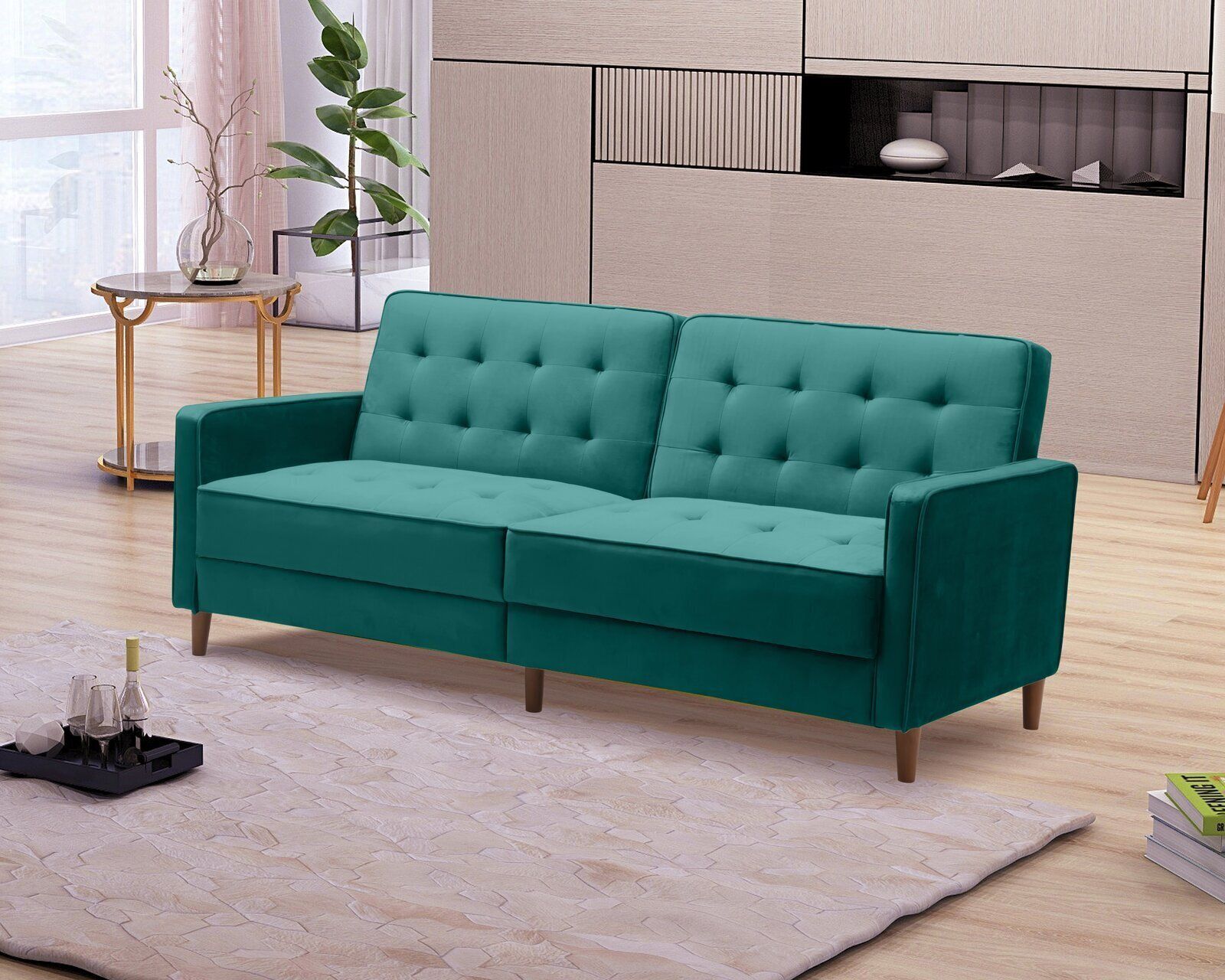
Imagine walking into a living room where comfort meets style in perfect harmony. That’s exactly what happened when mid century modern design took hold of sofa bed aesthetics. It wasn’t just about making furniture that could fold out – it was about creating pieces that spoke to a new way of living, where form and function danced together in beautiful balance.
The mid century modern movement didn’t just change how we think about furniture – it transformed our entire approach to home living. When designers started reimagining the humble sofa bed, they weren’t just trying to save space. They were crafting pieces that reflected a new philosophy about how we live, work, and relax. This wasn’t about cheap solutions or compromise. It was about creating furniture that could adapt to changing lifestyles while maintaining its visual appeal. The sofa bed became more than just a place to sleep – it became a statement piece that defined an era.
Origins in Post-War Innovation
The story begins in the aftermath of World War II, when families faced new challenges and opportunities. Space was at a premium, and people needed furniture that could serve multiple purposes. Designers like Charles and Ray Eames were thinking about this problem differently. They weren’t just building beds that folded – they were creating furniture that embraced the idea of multipurpose living.
The 1940s saw a boom in affordable housing, and designers had to think creatively about maximizing every square foot. This led to the development of sofa beds that were both functional and visually appealing. These early designs featured clean lines, organic shapes, and a new appreciation for materials like plywood and steel.
What made this different was the approach to design itself. Instead of hiding the mechanism behind panels, designers showed off the engineering. The joints and hinges became part of the aesthetic, creating a sense of honest construction that resonated with people.
The Golden Age of Materials and Craftsmanship
The 1950s marked a turning point in sofa bed design. This was when designers really began to experiment with new materials and manufacturing techniques. The combination of wood, metal, and innovative synthetic materials created possibilities that had never been imagined before.
One of the most significant changes was the use of molded plywood. This allowed for curved forms that were both structurally sound and visually striking. The famous Eames Lounge Chair demonstrated how this material could be shaped into beautiful organic forms. When applied to sofa beds, it meant that these pieces could have gentle curves rather than harsh angles.
Designers also began to pay attention to the details that made a difference. The quality of the fabric, the precision of the joinery, and the overall finish all contributed to a product that felt premium and lasting. The idea that a sofa bed could be both practical and luxurious was born during this time.
Consider the work of George Nelson, whose sofa beds featured innovative mechanisms that made them easy to operate while maintaining their elegant appearance. These weren’t just pieces that served a purpose – they were designed to enhance the living experience.
Form Follows Function in Design Philosophy
Perhaps no aspect of mid century modern sofa bed design was more revolutionary than the embrace of the principle that form should follow function. This wasn’t just an aesthetic choice – it was a complete rethinking of how furniture should work in people’s lives.
The designers of this era understood that people wanted furniture that could adapt to their changing needs. A sofa bed needed to be comfortable when sitting, sturdy when sleeping, and attractive when folded away. This meant that every element had to serve multiple purposes.
The low profile of many mid century sofa beds reflected the era’s desire for connection with the floor and the ground. This wasn’t about making furniture look like it was floating – it was about creating pieces that felt grounded and stable. The height of these pieces, typically between 18 and 24 inches, gave them a relaxed, approachable feel.
The color palettes also played a crucial role. Designers moved away from heavy, dark woods toward lighter, more vibrant options. Bright oranges, deep blues, and earth tones became popular choices. This wasn’t just about looking good – it was about creating spaces that felt optimistic and welcoming.
Cultural Impact and Lifestyle Integration
Sofa beds didn’t just change furniture design – they changed how people thought about their homes. In the 1960s, these pieces became symbols of a new kind of lifestyle. They represented the idea that people could live comfortably in smaller spaces without sacrificing style.
This was particularly important for young families and urban dwellers who couldn’t afford large homes. The sofa bed offered a way to have a guest room without having a separate bedroom. It also provided a solution for multi-generational households where space was at a premium.
The cultural significance went beyond just practicality. These pieces became conversation starters. They represented a break from traditional furniture styles and embraced a more progressive approach to domestic life. People were using them not just for their function but as statements about their values and tastes.
Consider the influence of television shows and movies of the era. Characters were shown living in smaller, more efficient spaces with furniture that reflected their modern sensibilities. This helped normalize the idea that a well-designed sofa bed was something to be proud of rather than ashamed of.
Modern Interpretations and Contemporary Relevance
Today, mid century modern sofa beds continue to influence contemporary design. The principles established decades ago still resonate with people who want furniture that’s both beautiful and functional. Modern manufacturers have taken the core ideas and updated them for current tastes and needs.
Contemporary versions often retain the classic lines and proportions but incorporate modern materials and technologies. Memory foam mattresses, improved mechanisms, and better fabrics mean these pieces are more comfortable than ever. But they still maintain that essential mid century aesthetic that makes them special.
The popularity of tiny homes and urban living has brought renewed interest in multifunctional furniture. Sofa beds have become essential pieces in these spaces, proving that the mid century approach was ahead of its time. The demand for these pieces shows that people still value the balance between form and function that characterized the best designs of that era.
Many designers today still draw inspiration from the golden age of mid century modern furniture. They understand that the success of these pieces wasn’t just about their ability to fold – it was about creating furniture that enhanced the quality of daily life.
Key Characteristics That Define the Era
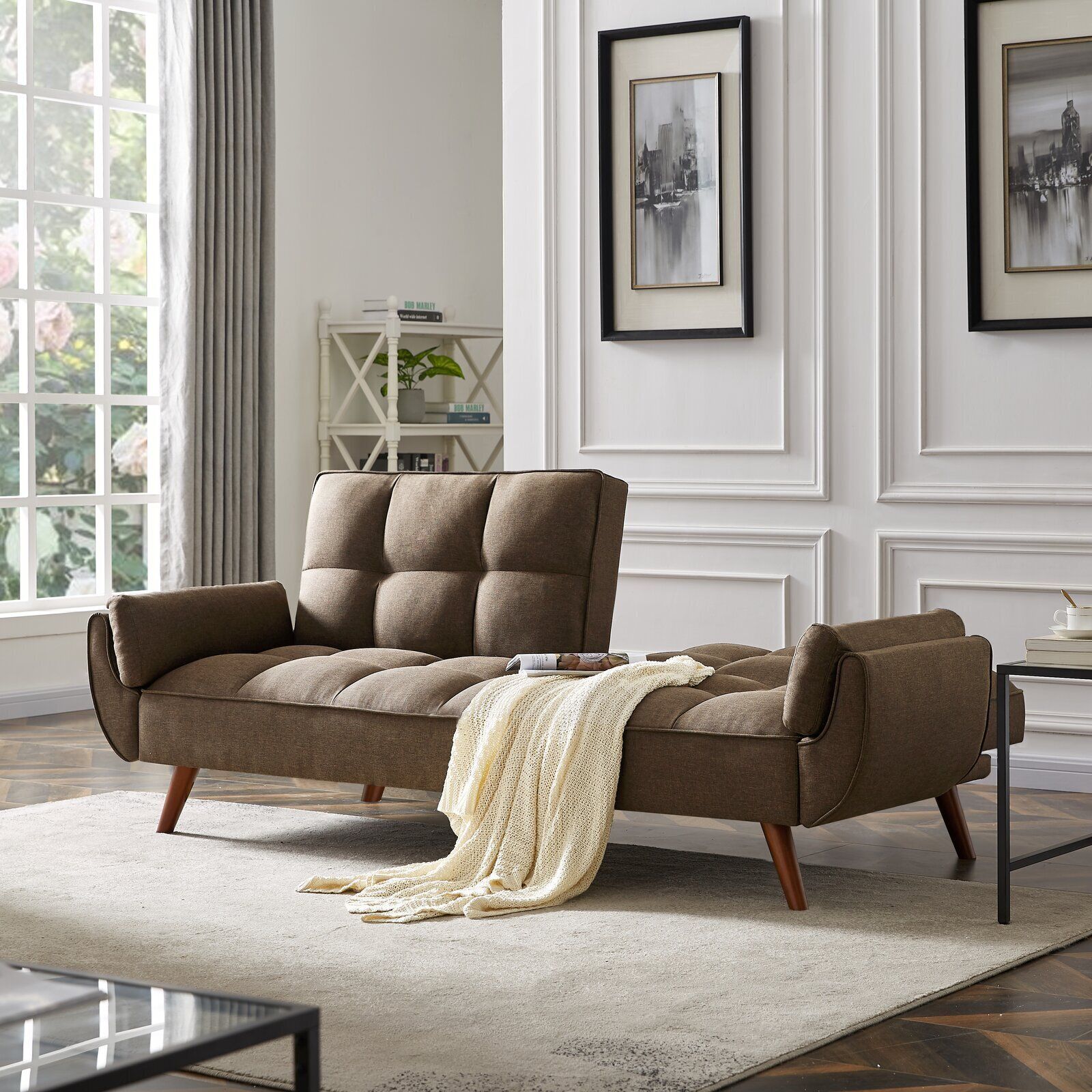
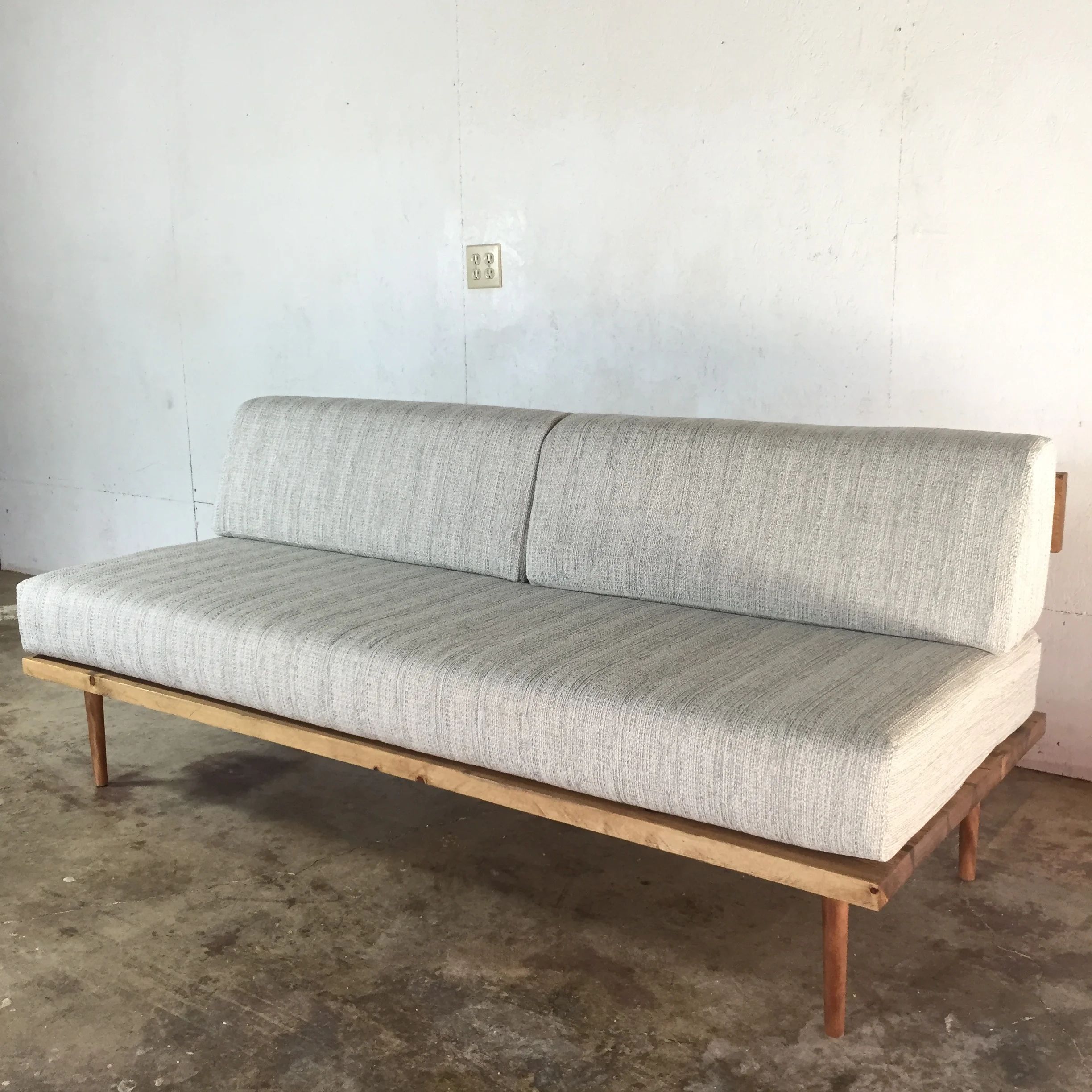
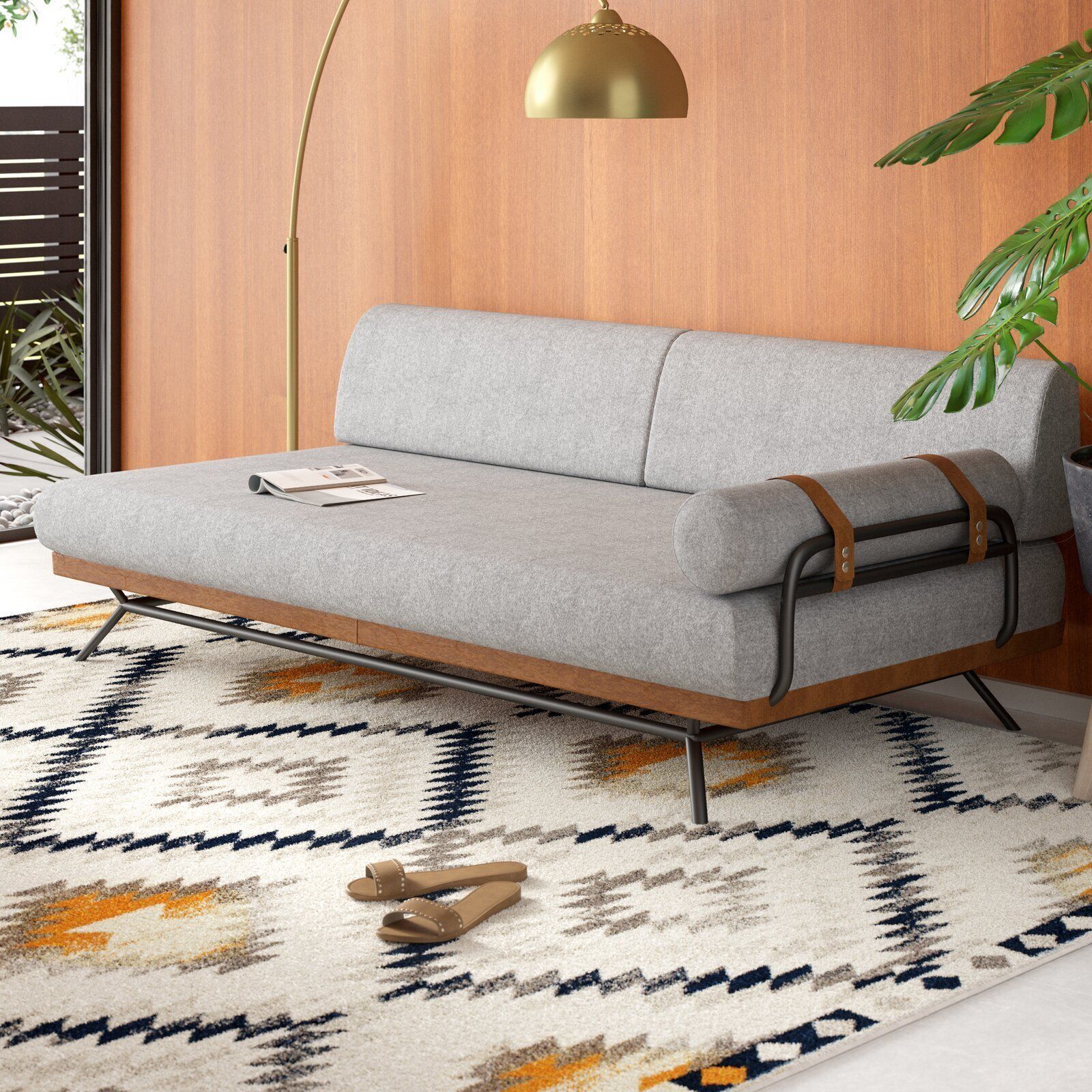
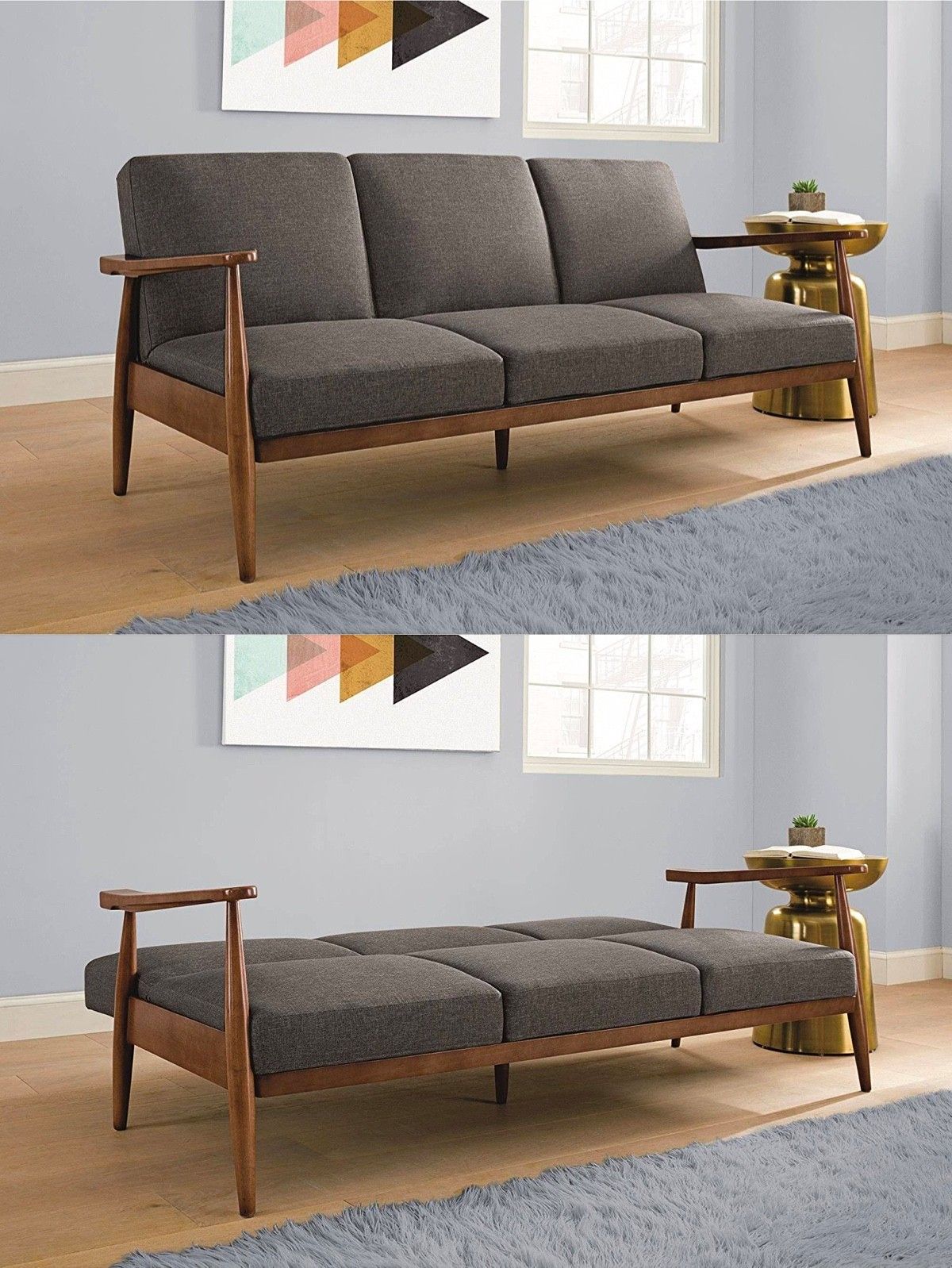
There are several defining features that make mid century modern sofa beds instantly recognizable:
• Clean geometric shapes that avoid excessive ornamentation
• Organic curves that feel natural and flowing
• Minimalist approach to decoration and detail
• Use of natural materials like wood and leather
• Bold, saturated colors that make a statement
• Low profile silhouettes that emphasize horizontal lines
• Exposed hardware and mechanisms that celebrate craftsmanship
• Simple, uncluttered lines that focus on essential elements
These characteristics weren’t chosen arbitrarily. Each element served a purpose in the broader design philosophy of the era. The emphasis on natural materials reflected a growing environmental consciousness. The bold colors spoke to optimism and progress. The clean lines represented a rejection of the ornate styles that came before.
The result was furniture that felt both timeless and contemporary. These pieces have endured because they addressed fundamental human needs – comfort, functionality, and beauty – in ways that transcend trends.
The evolution of mid century modern sofa bed aesthetics represents more than just a design trend – it’s a reflection of how society has changed and adapted over time. From post-war innovation to today’s minimalist movements, these pieces have consistently proven their worth. They remind us that good design isn’t about following fads – it’s about understanding human needs and creating solutions that enhance our daily experiences. Whether you’re drawn to the classic lines of the 1950s or the updated versions of today, the legacy of mid century modern sofa bed design continues to shape how we think about furniture and home living. The journey from functional necessity to design icon shows us that sometimes the most important innovations come from simply asking how we can make everyday life better through thoughtful design.