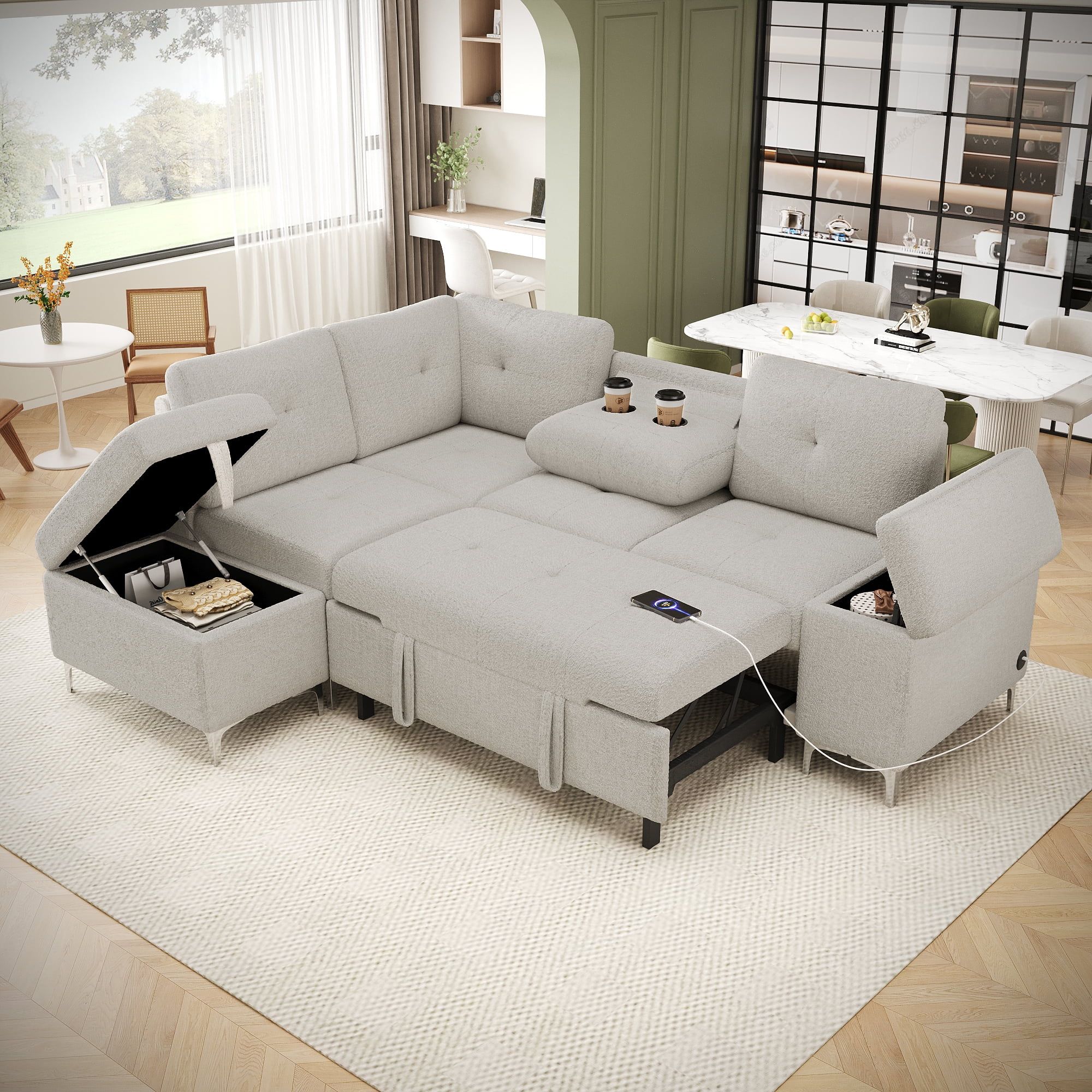
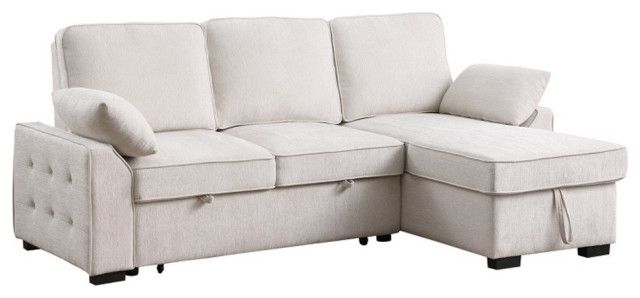
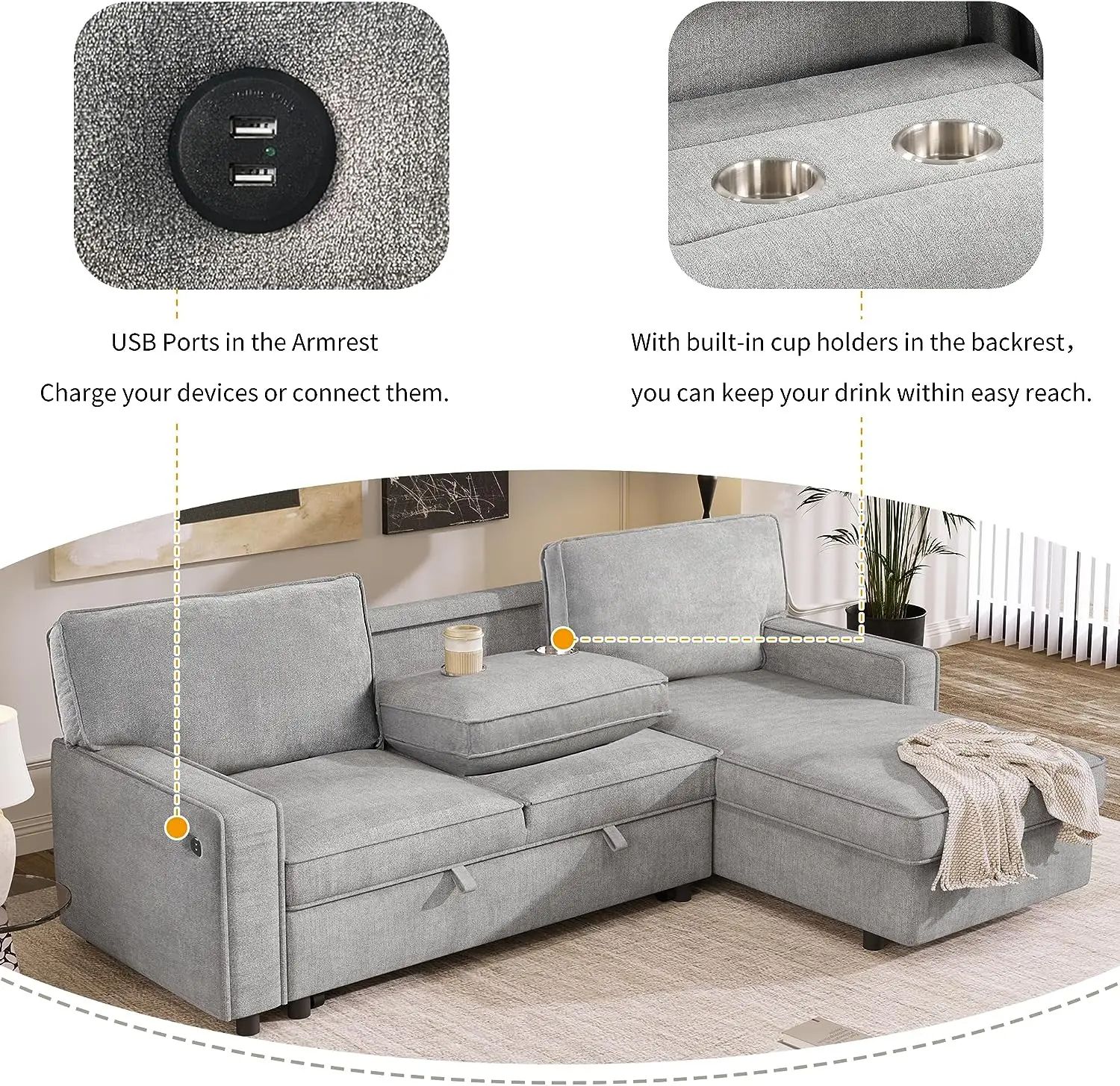
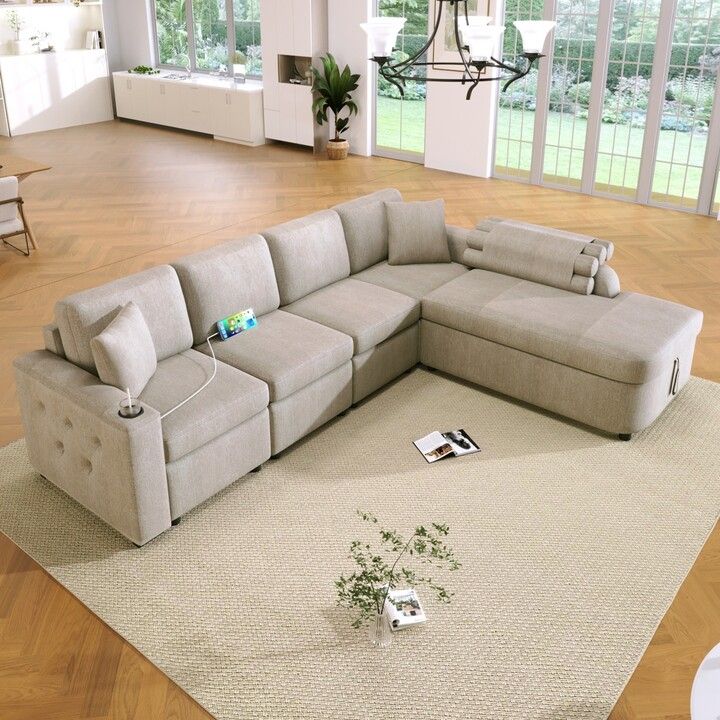
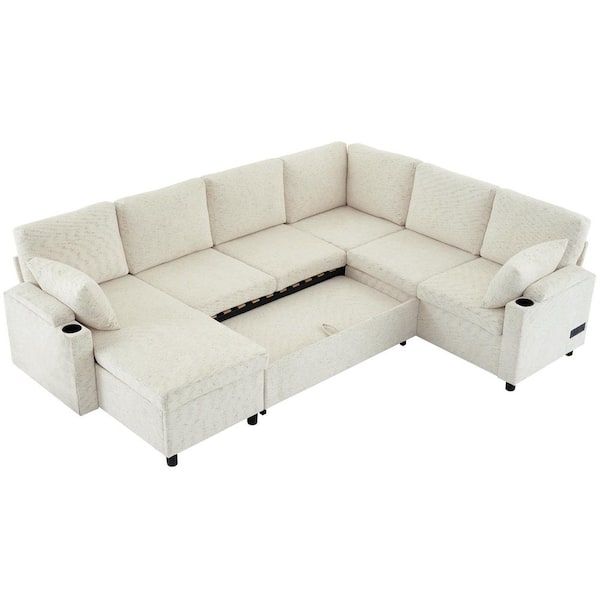
Imagine sitting in a chair that adjusts to your body shape, responds to your movements, and makes your daily routine feel effortless. That’s not science fiction anymore. Today’s seating innovations have transformed how we think about comfort and convenience in our homes, offices, and public spaces. It’s not just about sitting anymore – it’s about experiencing something better.
Every day, we spend hours seated. Whether it’s at our desks, in our cars, or relaxing at home, our seating choices profoundly impact our health, mood, and productivity. The modern world demands more from our chairs than ever before. We want them to support us, adapt to us, and make life easier. This isn’t just about luxury or aesthetics – it’s about creating better experiences through thoughtful design and smart technology. What started as simple furniture has evolved into sophisticated solutions that respond to our physical needs and lifestyle demands. The marriage of comfort and convenience in seating represents one of the most significant shifts in interior design and ergonomics in recent decades.
The Evolution of Seating Design
Seating hasn’t always been this sophisticated. Think back to the early days of office furniture – hard wooden chairs with minimal padding and no adjustment options. People sat uncomfortably for hours, often developing back problems and poor posture. But slowly, designers began listening to users’ complaints and demands. They started asking important questions: Why do we feel tired after sitting for a few hours? What makes someone comfortable in a chair? The answers led to major breakthroughs in materials science and biomechanics. Today’s chairs incorporate memory foam, breathable fabrics, and adaptive mechanisms that were unimaginable just decades ago. These changes weren’t just about looks – they were about functionality and user experience. Companies began investing heavily in research and development to create seating that actually works with the human body rather than against it. The result? Chairs that feel like they were designed specifically for each person’s unique needs.
Smart Technology Integration
One of the biggest game-changers has been the integration of smart technology into seating. Sensors now monitor your posture and automatically adjust cushion firmness or back support. Some chairs even track how long you’ve been sitting and remind you to move around. Imagine having a chair that knows when you’re slouching and gently nudges you back into proper alignment. These systems use artificial intelligence to learn your preferences over time. They become personal assistants that improve your sitting experience with every use. Smart seating isn’t just for high-end offices anymore – it’s becoming more accessible to everyday consumers. The technology behind these innovations includes pressure sensors, motion detectors, and even connectivity features that sync with your smartphone. This seamless blend of tech and comfort makes sitting more productive and healthier. For many people, this represents the future of wellness in their daily routines.
Ergonomic Principles in Modern Design
Modern seating design is built on solid ergonomic principles that prioritize human anatomy and movement patterns. Designers study how people naturally sit, move, and interact with their environment. They consider factors like spinal curvature, muscle tension, and circulation. The result is chairs that support the entire body, not just the back. Features like adjustable armrests, lumbar support systems, and seat depth controls allow for personalized comfort. Some chairs even incorporate dynamic seating that encourages movement while maintaining support. These designs recognize that static sitting isn’t healthy – we’re meant to move. The best modern chairs promote healthy sitting habits while adapting to individual body types. This approach has revolutionized workplace health and safety standards. Companies now realize that investing in quality ergonomic seating pays dividends in employee satisfaction, productivity, and reduced healthcare costs. The focus has shifted from temporary fixes to long-term solutions that support wellbeing.
Materials Innovation and Sustainability
The materials used in contemporary seating have undergone dramatic changes. Traditional leather and wood are still popular, but they’re now combined with innovative synthetic materials that offer superior performance. Memory foam has evolved to provide better breathability and durability. New fabrics are engineered to be both comfortable and easy to clean. Some manufacturers are using recycled materials and sustainable practices in their production processes. This shift toward eco-conscious manufacturing reflects broader societal values. Consumers increasingly demand products that align with their environmental beliefs. The challenge for designers is balancing performance with sustainability. Many companies are finding creative ways to use renewable resources without sacrificing comfort or longevity. This trend toward responsible manufacturing shows how seating innovation can address both personal comfort and planetary health. The result is furniture that feels good and does good.
Versatility in Contemporary Seating Solutions
Today’s seating solutions are incredibly versatile. A single chair might serve multiple purposes – office work, reading, relaxing, or even exercise. Modular designs allow users to customize their seating arrangements based on their activities and changing needs. Some chairs can transform from office chairs to dining chairs or even loungers. The concept of ‘one chair, many uses’ has become a central theme in modern design. This flexibility is particularly valuable in smaller living spaces where every piece of furniture must serve multiple functions. Manufacturers are creating adaptable solutions that grow with users’ lifestyles. The emphasis is on creating furniture that remains useful and appealing over time, rather than trendy items that quickly become outdated. This approach to versatility means people get more value from their seating investments while reducing waste and clutter.
Impact on Health and Wellbeing
The health benefits of properly designed seating extend far beyond simple comfort. Good seating can prevent back pain, reduce stress, and improve overall posture. When people sit comfortably, they’re more likely to stay focused and productive throughout the day. Poor seating is linked to numerous health issues including chronic back pain, neck strain, and reduced circulation. The right chair can actually encourage better breathing patterns and promote relaxation. Many modern chairs incorporate features that support mental wellbeing too. Soft textures, pleasant colors, and comfortable contours all contribute to a positive emotional experience. Studies show that employees in ergonomically designed workspaces report higher job satisfaction and fewer sick days. This connection between seating and health is why businesses are increasingly prioritizing quality seating in their office environments. The investment in good seating becomes an investment in human capital and organizational success.
Contemporary seating innovations represent more than just technological advancement – they embody our growing understanding of human needs and preferences. The marriage of comfort and convenience has created solutions that enhance our daily lives in ways we never imagined. From smart adjustments to sustainable materials, these developments reflect our evolving relationship with the spaces we inhabit. The future of seating will likely continue pushing boundaries, incorporating even more responsive technologies and personalized features. As we move forward, the focus will remain on creating seating that truly serves people rather than simply filling space. The journey from basic wooden chairs to intelligent, adaptive seating systems shows how far we’ve come – and how much further we can go. The ultimate goal remains unchanged: to make sitting not just bearable, but genuinely enjoyable and beneficial for everyone.