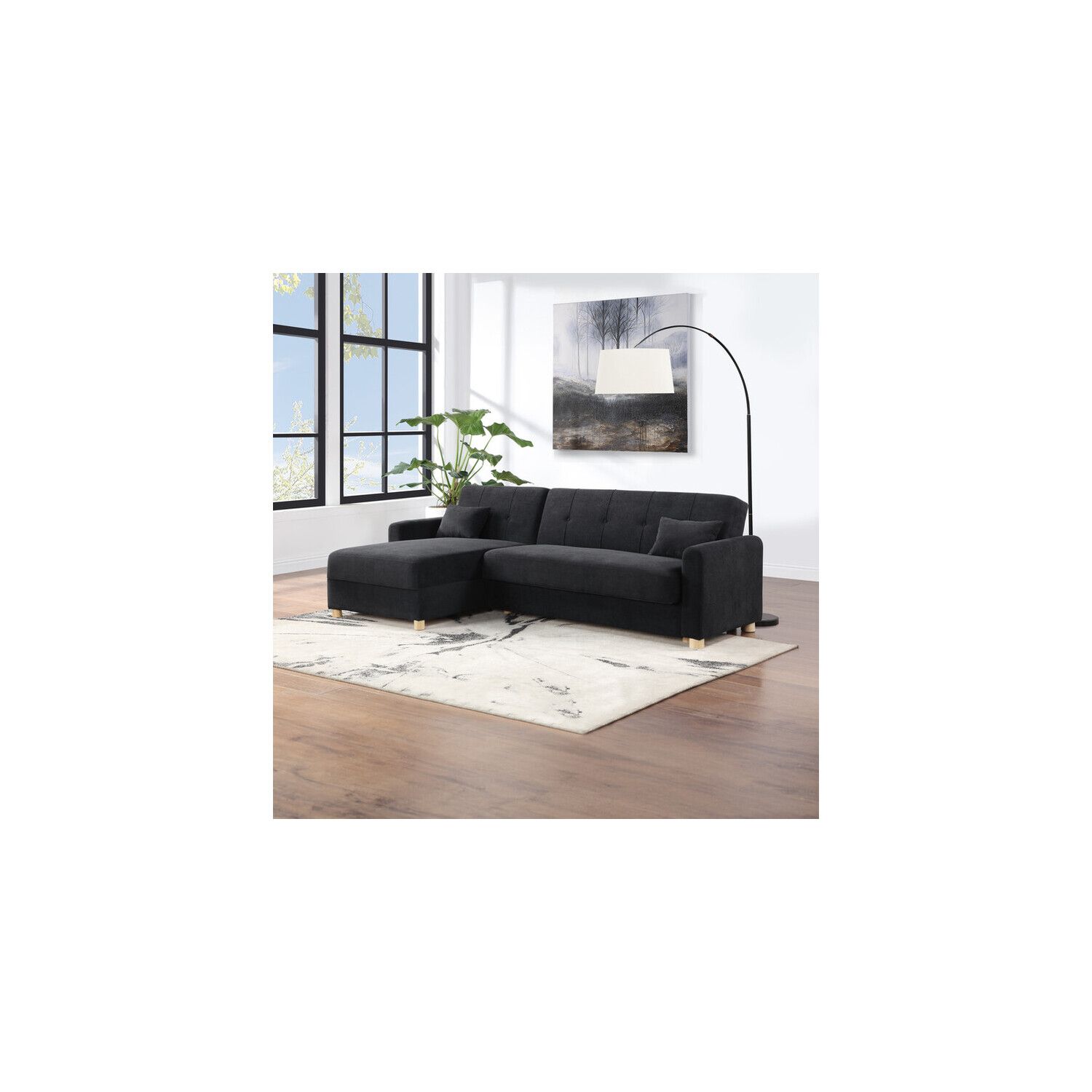
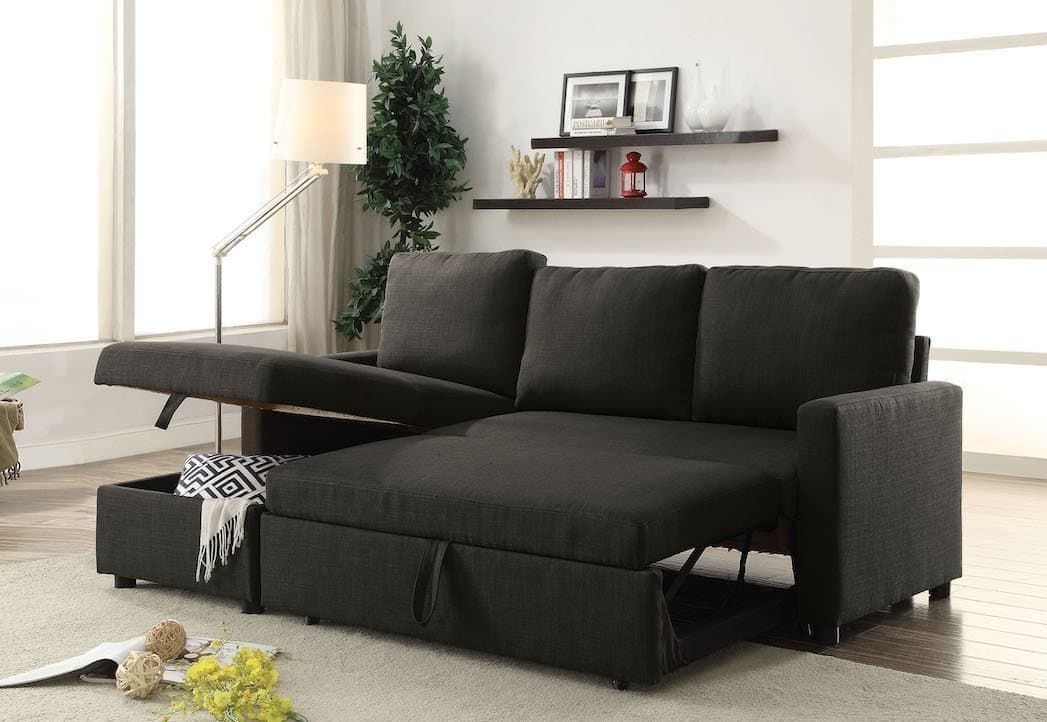
Picture this: you’re relaxing on your sofa, maybe watching TV with your family, when suddenly you realize you need a place to sleep. That’s where a sleeper sectional comes in handy. These versatile pieces of furniture combine comfort, style, and functionality all in one. But with so many options out there, choosing the right one can feel overwhelming. What size works best? What materials will last longest? What features matter most? We’ll walk you through everything you need to know to make the smartest decision for your home.
When it comes to maximizing your living space, few pieces offer the same blend of comfort and utility as a sleeper sectional. These remarkable furniture items serve multiple purposes – they’re lounging areas during the day and sleeping spaces at night. They’re particularly popular in smaller apartments where every square foot counts, and in homes where guests frequently visit. But before you head to the store or click ‘buy now,’ it’s important to understand what makes one sleeper sectional different from another. The right choice can transform your living room into a multi-functional wonderland while ensuring you get a good night’s rest.
Understanding Different Types of Sleeper Sectionals
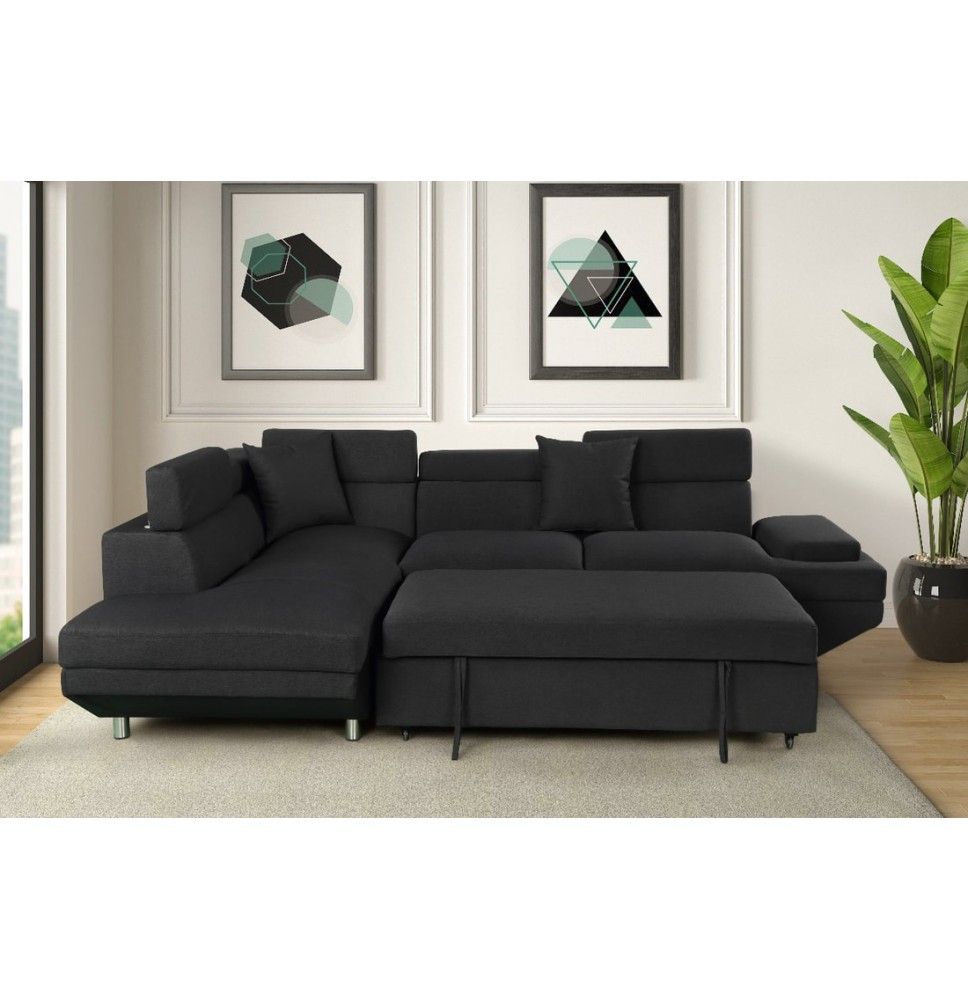
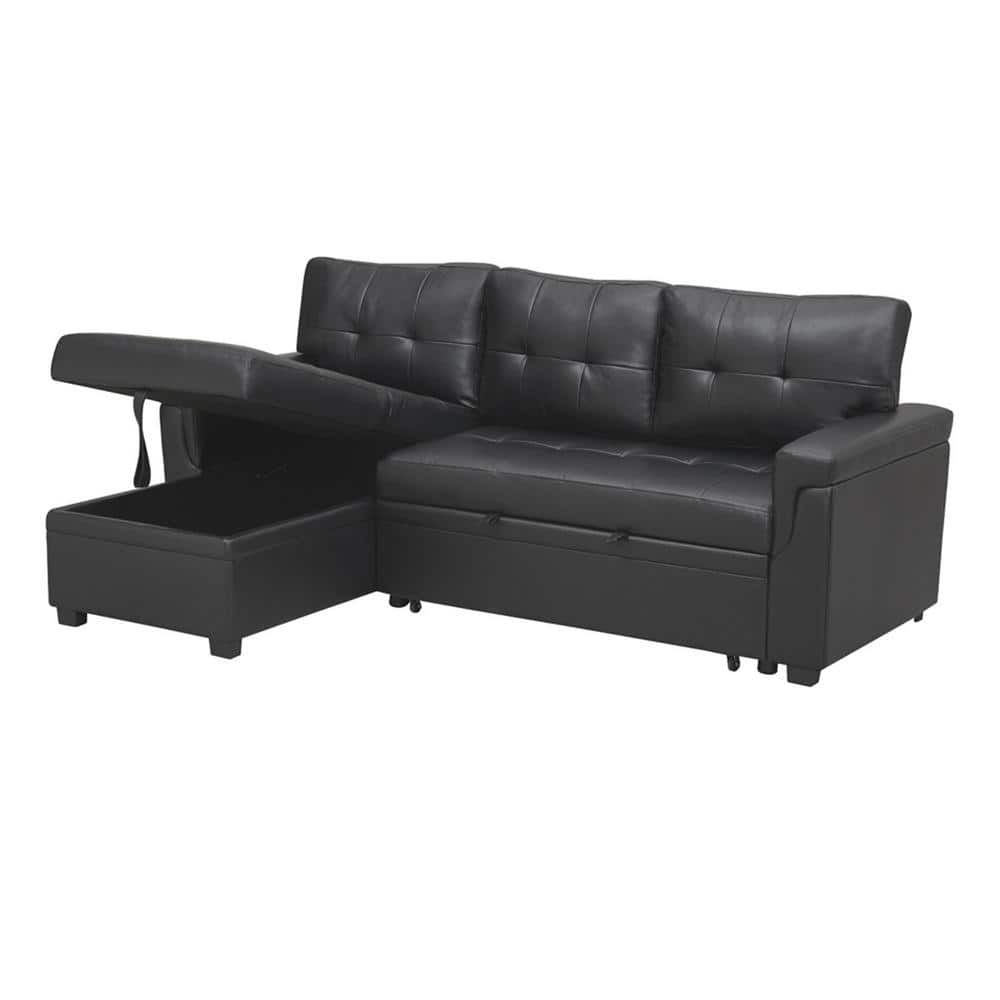
Not all sleeper sectionals are created equal. There are several main types, each with their own set of pros and cons. The most common categories include platform sleeper sectionals, pull-out sleeper sectionals, and futon-style sectionals. Platform sleepers usually feature a built-in mattress that sits on top of the sofa frame. Pull-out models have a hidden mattress that slides out when needed. Futon-style sectionals often fold flat or convert into beds using a spring mechanism. Each type offers different levels of comfort, ease of use, and space requirements. Consider your daily routine and how much space you have available when deciding which category fits best.
Measuring Your Space and Room Dimensions
Before shopping for any sleeper sectional, take precise measurements of your intended space. Measure the width, depth, and height of your living area. Also consider doorways, hallways, and any tight corners that might affect delivery. A sectional that’s too big won’t fit through your doorway, while one that’s too small might look awkward. Think about traffic flow too – you want enough room to move around the furniture comfortably. Some people make the mistake of buying a sectional based solely on visual appeal, only to discover it doesn’t actually fit in their space. This simple step can save you from disappointment later on.
Material Selection and Durability Considerations
The material of your sleeper sectional affects both its appearance and longevity. Fabric options range from easy-care synthetics to luxurious velvet and breathable cotton blends. Leather provides a sleek look and is relatively easy to clean, though it can be more expensive. Wood frames offer strength and stability, while metal frames provide a modern aesthetic. Pay attention to the quality of materials used in construction. Higher-end models often use better padding, sturdier frames, and more durable fabrics. Remember that some materials age better than others – leather may develop character over time, while fabric might fade or stain more easily.
Sleeping Comfort and Mattress Quality
The whole point of a sleeper sectional is to provide comfortable sleeping arrangements. So, focus on mattress quality and firmness. Look for mattresses that offer adequate support without being too hard or too soft. Many people prefer medium-firm options that accommodate different sleeping positions. Check if the mattress is removable – this makes cleaning and replacement easier. Some sectionals come with memory foam mattresses, which conform to your body shape. Others feature innerspring systems that provide more bounce. Test the mattress if possible, or ask about return policies if you’re unsure about comfort levels.
Storage and Additional Features
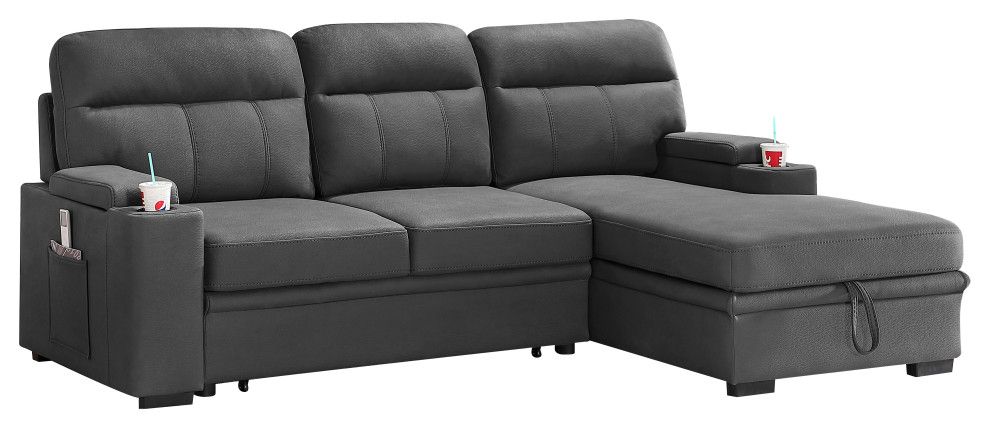
Many sleeper sectionals include extra storage solutions like drawers, shelves, or cubbies. These can be incredibly useful for storing blankets, pillows, books, or other items. Consider whether you need these features or if simpler designs work better for your lifestyle. Other helpful additions might include side tables, cup holders, or even built-in charging stations. Some models offer adjustable headrests, which can enhance comfort for reading or watching TV. Think about how you use your living space and what extra features would make your life easier.
Budget and Value Considerations
Sleeper sectionals vary widely in price, from budget-friendly options to premium models that cost thousands of dollars. Set a realistic budget early in your search, keeping in mind that you might need to replace the item in the future. Consider the total cost of ownership – including maintenance, repairs, and potential replacements. Sometimes investing in a higher-quality piece pays off in the long run. Read reviews carefully and compare prices across different retailers. Don’t automatically go for the cheapest option – sometimes spending a bit more upfront saves money later on. Factor in delivery costs and assembly requirements when evaluating total expenses.
Choosing the right sleeper sectional involves balancing many factors: space constraints, comfort preferences, budget limitations, and lifestyle needs. Take your time with the process, measure carefully, and don’t rush into a purchase. Remember that this piece will be part of your daily life for years to come, so it’s worth investing thoughtfully. Whether you’re looking for a guest bedroom solution, a way to maximize a small apartment, or simply want a versatile seating option, finding the right sleeper sectional can truly transform your living experience. With careful consideration of all these elements, you’ll find a piece that meets your needs and brings joy to your home for years to come.