You know that feeling when you walk into someone’s place and instantly feel comfortable? That’s not just luck. It’s the result of thoughtful design choices, especially when it comes to furniture. The right pieces don’t just fill a room – they create a story, set a mood, and make people want to stay longer. Whether you’re designing your own living space or helping others create welcoming environments, understanding how furniture impacts atmosphere is crucial.
Think about the last time you visited a friend’s house. Did you immediately feel like you belonged there? Probably not because of the expensive artwork or fancy lighting, but because of the subtle ways their furniture choices made you feel comfortable. It’s fascinating how something as simple as a chair’s shape or a table’s material can completely change how a space feels. The truth is, we’re all influenced by our surroundings, and furniture plays a massive role in shaping those feelings. This isn’t about spending a fortune or following the latest trends. It’s about understanding how different elements work together to create an environment where people naturally want to gather, relax, and connect.
Understanding the Psychology Behind Furniture Choices
Furniture isn’t just functional – it’s emotional. The way we sit, move, and interact with our surroundings deeply affects our mental state. When we choose furniture that invites conversation, creates cozy nooks, or allows for easy movement, we’re essentially creating psychological cues that encourage positive behavior. For instance, round tables tend to promote open dialogue better than rectangular ones because they eliminate the sense of hierarchy. Soft textures and warm colors can make us feel more relaxed and safe, while sharp edges might create tension even if we don’t consciously notice it. Consider how a plush armchair with a soft throw creates a perfect reading spot versus a rigid office chair that makes you feel like you’re always on duty.
Choosing the Right Seating for Social Connection
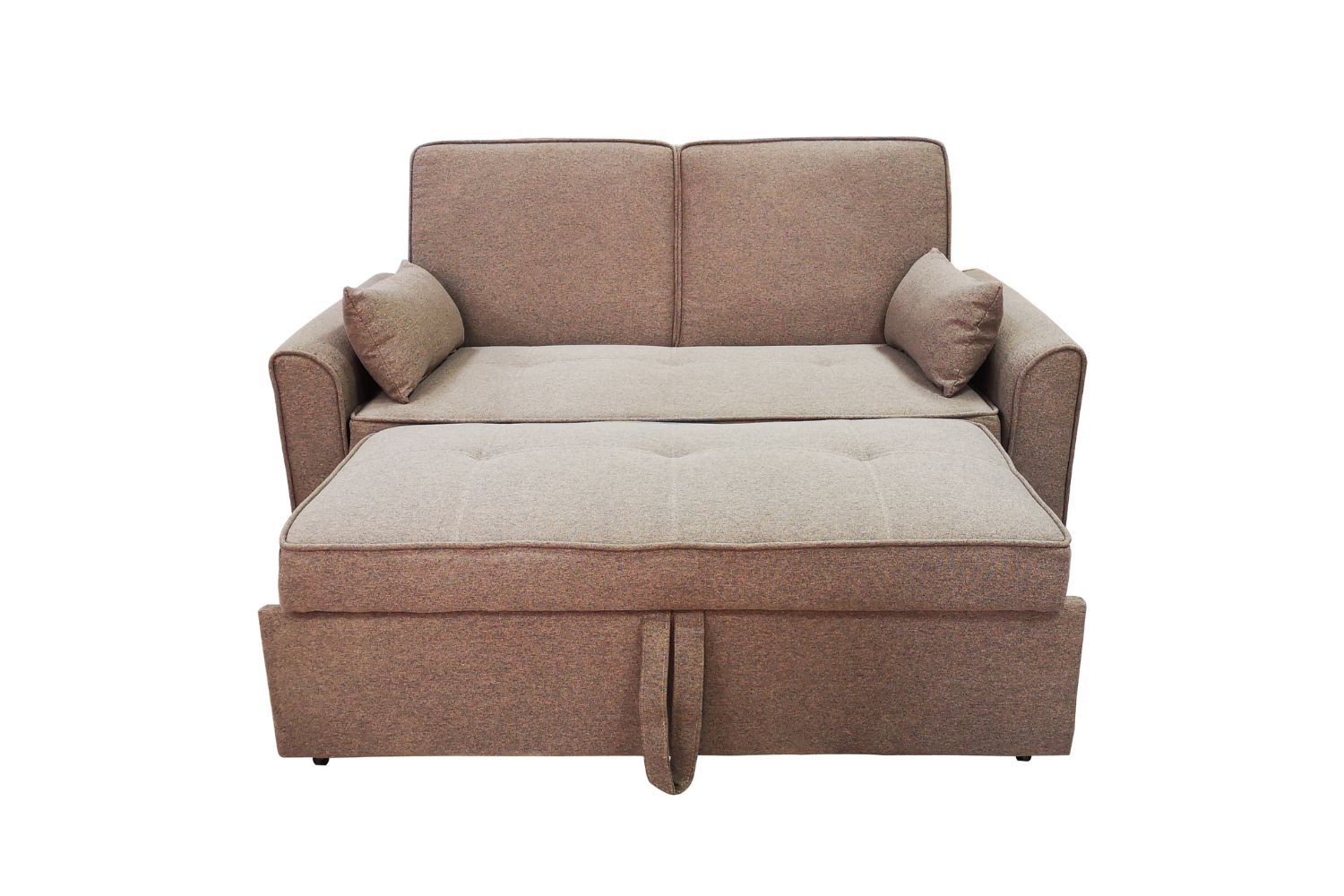
Let’s talk about seating because it’s often the most important element in any welcoming space. You’ve probably noticed how some rooms feel like they were designed for people to avoid each other, while others seem to naturally draw everyone together. The secret lies in seating arrangement and comfort. Think about how you’d feel sitting on a hard wooden bench versus a comfortable sofa with plenty of cushions. The latter invites you to linger, to chat, to feel at ease. Try arranging chairs in a circle or U-shape rather than facing a wall – this creates natural conversation zones. Also, consider the height differences between seating options. Mixing different heights encourages interaction and prevents people from feeling like they’re sitting at a conference table instead of relaxing in a living room.
Color and Texture: The Unsung Heroes of Atmosphere
Colors and textures have incredible power to influence how we perceive a space. A neutral palette with warm undertones tends to make rooms feel safer and more approachable than stark whites or cool grays. But don’t think you have to go for beige everywhere – incorporate texture through materials like wood, wool, or linen to add depth and visual interest. A velvet sofa in deep burgundy might seem dramatic, but it creates intimacy and warmth. A woven basket on the floor adds organic texture that makes everything feel more grounded. Remember, your eyes are constantly scanning the environment, so small details matter enormously when creating a welcoming vibe. The key is balancing bold statements with subtle elements that support the overall feeling you want to achieve.
Size Matters: Proportioning Furniture for Comfort
This one trips up a lot of people. Big furniture doesn’t always mean better furniture. Sometimes, oversized pieces can make a room feel cold and unwelcoming, especially in smaller spaces. Think about proportions – a large, heavy coffee table might dominate a tiny living room and make it feel cramped. On the other hand, a small side table can make a huge difference in a larger room by breaking up the space and providing a designated spot for drinks or books. The golden rule is to ensure there’s enough breathing room around furniture. People should be able to move freely, not feel like they’re navigating obstacles. When selecting furniture, ask yourself: does this piece create a path for people to walk through? Does it invite them to sit and stay? If the answer is yes, you’re on the right track.
Lighting Integration: How Furniture Supports Ambiance
We often forget that furniture itself can be part of the lighting strategy. Consider how a lamp placed strategically on a side table can create intimate shadows and highlight cozy corners. Or how a console table with built-in lights can serve as both functional storage and ambient lighting. The best approach is to layer light sources – task lighting for activities, ambient lighting for general comfort, and accent lighting to highlight interesting features. Some furniture pieces like floor lamps or table lamps are specifically designed to create specific moods. A dimmable lamp can turn a bright workspace into a cozy reading area with just a few adjustments. Think about how the furniture you choose interacts with existing light sources in your space.
Practical Tips for Creating Welcoming Spaces
Here are some actionable strategies that anyone can implement immediately:
• Start with the basics – Choose furniture that supports your lifestyle and the way you actually use the space
• Layer textures and materials to prevent monotony
• Keep pathways clear but still intimate
• Mix old and new pieces to create visual interest
• Add personal touches like photos or plants to make it feel lived-in
• Don’t be afraid to break traditional rules if it serves your purpose
• Consider durability over fashion – the pieces you’ll use daily should be comfortable and practical
• Test your space with friends or family before finalizing selections
Final Thoughts on Furniture That Speaks to the Soul
Creating a truly welcoming space isn’t about having the most expensive pieces or following every design rule. It’s about making thoughtful decisions that reflect your personality and support the kind of interactions you want to see happen in your home. When furniture works well with its environment, it becomes invisible – you don’t notice it anymore because it simply supports the feeling you’re trying to create. The best pieces are those that feel like they belong, that respond to the needs of whoever uses them, and that contribute to a sense of belonging. So next time you’re shopping for furniture, think about the stories you want to tell and the emotions you want to evoke. The right pieces will do the rest.
Making Every Piece Count
Every item you bring into your space should serve a purpose beyond decoration. That means considering how each piece contributes to the overall experience. Does a chair encourage conversation? Does a table invite meals? Does a bookshelf create a cozy reading nook? These aren’t just questions about aesthetics – they’re questions about how you want people to feel and behave in your space. The most successful designs often have a unifying theme or concept that ties everything together. It could be a color scheme, a style, or even a specific material like reclaimed wood. Whatever you choose, make sure it’s consistent enough to feel intentional but flexible enough to allow for personal touches and changes over time.
The Long-Term Impact of Thoughtful Selection
When you invest time in choosing furniture carefully, you’re not just improving the immediate look of your space – you’re investing in long-term satisfaction and functionality. Good furniture lasts, and it continues to support your lifestyle as it ages. This is especially true for pieces you use regularly, like dining tables or sofas. They become part of your routine, part of your story. When furniture feels right, it makes daily life more pleasant. It reduces stress and increases comfort. You start to look forward to spending time in these spaces because they make you feel good. That’s the real magic of thoughtful furniture selection – it transforms how you experience your own home.
Balancing Functionality with Aesthetics
Sometimes we get caught up in making things look pretty and forget about practicality. But a beautiful chair that’s uncomfortable or a stylish table that’s too low for your couch creates friction in daily life. The trick is finding the sweet spot where form and function work together. Look for pieces that are both visually appealing and practical. A coffee table with hidden storage keeps your space tidy while maintaining visual appeal. A dining chair that’s comfortable enough for long conversations serves dual purposes. The goal isn’t to sacrifice beauty for usefulness, but to find solutions that satisfy both needs. Sometimes that means compromising slightly on one aspect to enhance the other, which is perfectly fine when it improves the overall experience.
The journey to creating a welcoming atmosphere through furniture selection starts with awareness. It’s about recognizing how each piece contributes to the emotional tone of your space. When you choose furniture thoughtfully, you’re not just decorating – you’re curating experiences. You’re creating environments where people want to gather, connect, and feel at ease. It’s not about perfection, but about intentionality. Whether you’re designing a new space or refreshing an existing one, remember that the right furniture doesn’t just fill a room – it breathes life into it. The most important lesson is that great design happens when you listen to what your space needs and respond with thoughtful, caring choices. You already have everything you need to create that warm, inviting feeling – you just have to start with one thoughtful decision at a time.