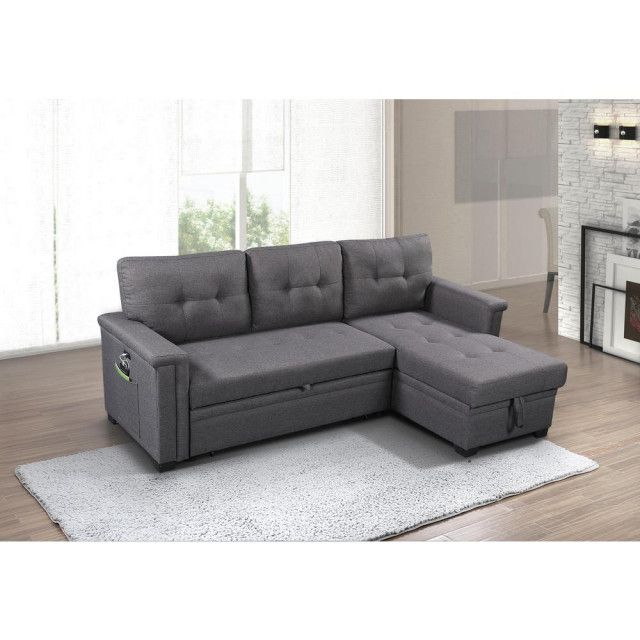
Picture this: you’re standing in a cozy apartment with barely enough room for a coffee table, let alone a traditional sofa. You want something that feels spacious and inviting, but also provides maximum comfort for relaxing after a long day. This is where the magic of sectional sofas comes in – they offer versatility and comfort without taking over your entire living area.
Sectional sofas have become increasingly popular in modern homes, especially in smaller living spaces. These versatile seating solutions can transform a cramped corner into a welcoming gathering spot. But choosing the right one for your compact space requires more than just eyeing the price tag or checking if it fits in your doorway. It’s about finding that sweet spot between functionality, comfort, and style that works perfectly with your lifestyle and living situation. Whether you’re dealing with a studio apartment or a modest living room, the right sectional can make all the difference in creating a comfortable, stylish space.
Understanding Sectional Sofa Dimensions
Before diving into design options, you need to know how to measure your space properly. Start by measuring the actual dimensions of your room, including any obstacles like windows, doors, or built-in features. The most common mistake people make is assuming their space can accommodate a large sectional when it really can’t. Consider the width, length, and height of your room. A good rule of thumb is to leave at least 18 inches of clearance around furniture for easy movement. Remember, some sections are designed to be wider than others, and the overall shape matters more than just total square footage. For example, a 6-person sectional might fit in a 12×15-foot room, but a 4-person model could easily overwhelm a 10×12-foot space. Think about the traffic flow in your home and how people will move around the furniture. Sometimes a smaller, more compact option with fewer seats actually works better than a larger one that creates bottlenecks in your space.
Material Matters: Fabric vs Leather Options
The material of your sectional sofa affects both its appearance and practicality. Fabric sofas offer warmth and comfort, often providing a softer feel that’s perfect for lounging. They come in countless colors and patterns, making it easy to match your existing decor or create a bold statement. However, fabric can show stains more easily and may require special cleaning methods. Leather, on the other hand, gives a sleek, sophisticated look and is generally easier to clean and maintain. It’s also more durable and ages well, developing a beautiful patina over time. But leather can feel stiff initially and might be too warm for some people during hot weather. Consider your lifestyle when choosing – if you have children or pets, a stain-resistant fabric or synthetic leather might be more practical. For example, microfiber fabric is excellent for families because it’s resistant to wear and tear and easy to clean. Meanwhile, genuine leather offers luxury but requires more care and maintenance. Think about how much time you want to spend on upkeep versus enjoying your new furniture.
Comfort Features to Look For
Comfort isn’t just about softness – it’s about how well the sofa supports your body and fits your daily habits. Look for sections with proper lumbar support, especially if you spend a lot of time sitting or reading. The seat depth matters too; too shallow and you’ll feel cramped, too deep and you might find yourself sliding off. Armrests play a crucial role in comfort – they should be positioned correctly so you can rest your arms naturally. Some sectionals feature adjustable headrests or reclining capabilities, which can dramatically improve comfort for reading or watching TV. Consider the cushion firmness – some people prefer plush cushions that hug you, while others like firmer support that doesn’t sink too much. The backrest angle is also important, particularly if you plan to use it for napping or relaxation. For instance, a 105-degree back angle offers a more upright position, while a 110-degree angle provides a more relaxed recline. Think about your typical usage patterns and what features would enhance your daily comfort.
Shape and Configuration Options
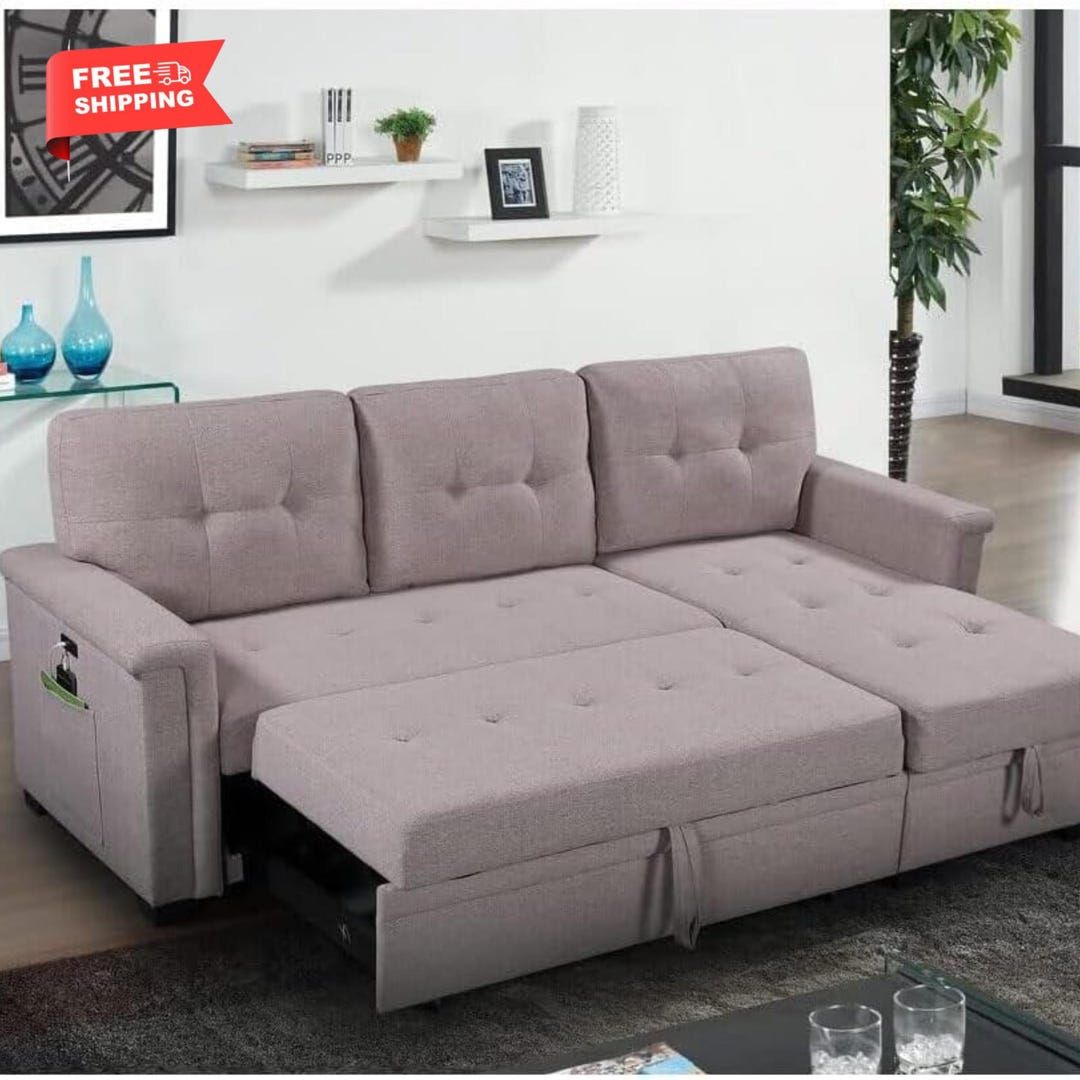
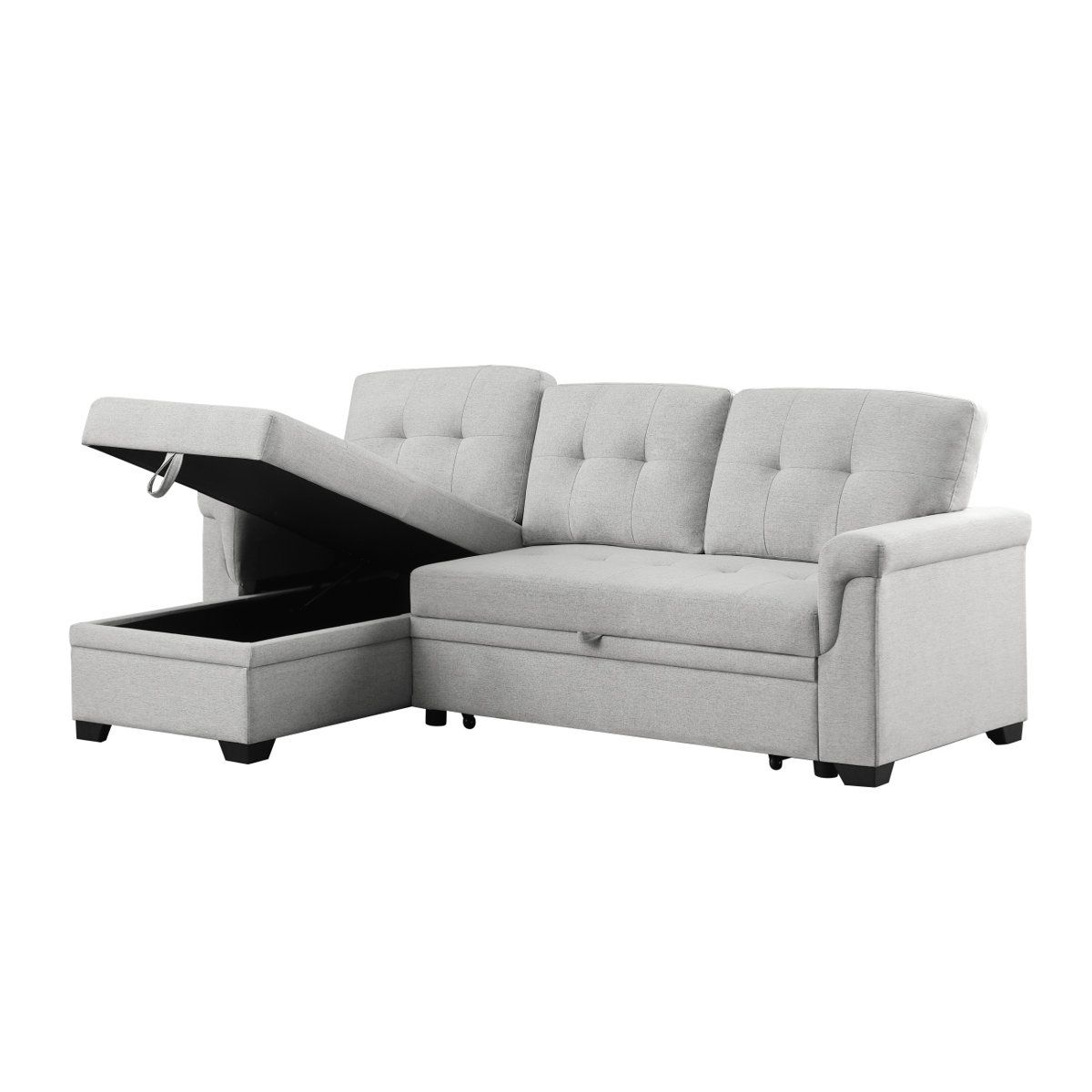
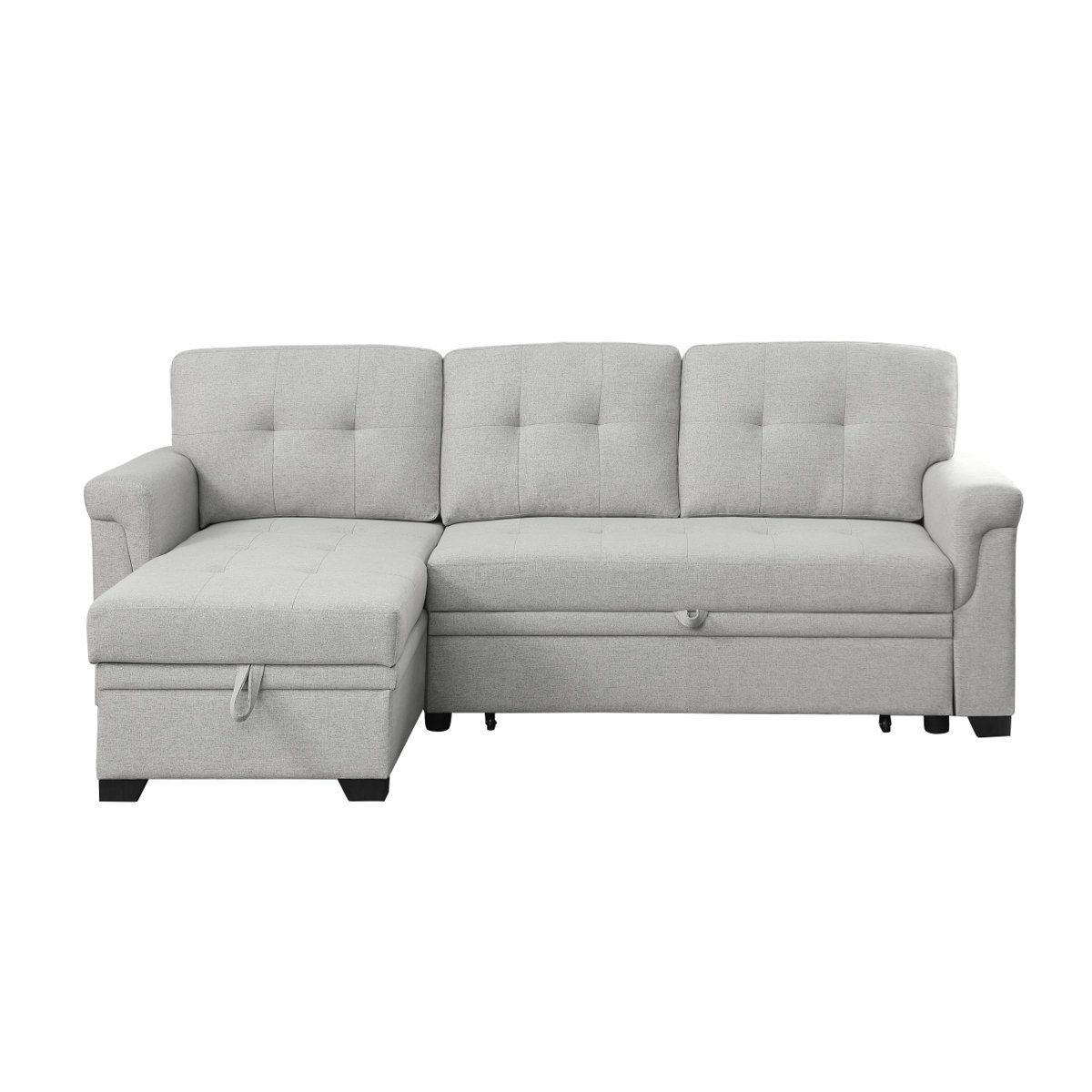
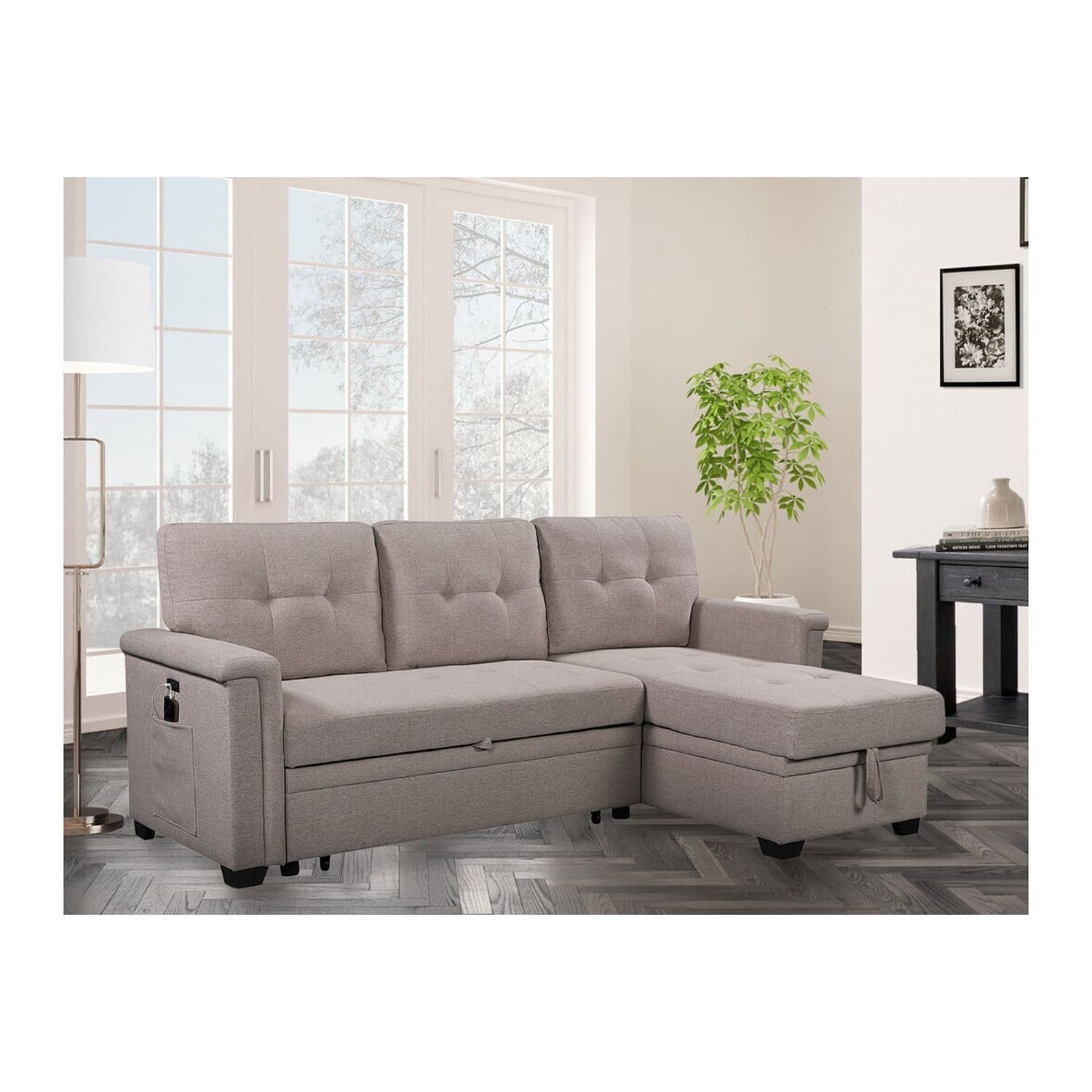
Sectional sofas come in various shapes, each suited to different room layouts and needs. The L-shaped configuration is perhaps the most popular and versatile, creating a natural conversation area while maximizing corner space. U-shaped sectionals provide more seating and can make a room feel cozier, but they require more space. The straight line configuration works well in elongated rooms and can serve as a room divider. There are also curved sectionals that add elegance and soften sharp angles. Think about your room’s layout and how you want to use the space. Do you entertain guests regularly? Then a configuration that creates conversation areas might be ideal. If you’re looking for a quiet place to relax with a book, a more intimate setup might work better. Consider the flow of traffic in your home and whether certain configurations might block pathways or create awkward corners. Some people opt for modular sectionals that can be reconfigured as their needs change, offering flexibility for growing families or evolving tastes. For example, a simple three-piece L-section might evolve into a more complex setup as your family grows.
Storage Solutions and Practical Features
In small spaces, every inch counts, and storage features can be game-changers for maintaining a clutter-free environment. Many modern sectionals include hidden compartments, side tables, or even built-in shelves. These features can keep remotes, books, and other items neatly tucked away. Look for sections with storage that’s easy to access – you don’t want to have to dismantle your entire sofa to find your remote control. Some sectionals offer additional practical elements like USB charging ports, cup holders, or even built-in lighting. These seemingly small details can make a huge difference in daily life. Consider how much storage you actually need versus what’s available. A simple storage compartment might be perfect for someone who keeps minimal items, while a more elaborate setup with multiple drawers and shelves could benefit a family with lots of books and electronics. Think about what items you frequently need to store and how accessible you want that storage to be. For instance, a low-profile storage compartment might be easier to reach than one tucked behind a high back.
Color and Style Integration
Choosing a sectional that complements your existing décor is essential for creating a cohesive look. Neutral colors like beige, gray, or navy tend to blend well with most interiors and offer flexibility for future changes. Bold colors or patterns can make a statement but require more careful consideration of how they’ll work with your other furnishings. Consider the overall color scheme of your room and how the sofa will interact with walls, flooring, and accessories. Lighter colors can make small spaces feel bigger, while darker tones add richness and sophistication. Texture also plays a role – a velvet sectional might complement a rustic space, while a sleek leather piece might suit a modern aesthetic. Don’t forget about pattern coordination – if your room has a lot of patterns, a solid-colored sectional might provide balance. Think about how the sofa will look in different lighting conditions throughout the day. A cream-colored fabric might appear white in bright sunlight but look warm and inviting in dimmer evening light. The key is choosing a style that feels intentional rather than accidental.
Budget Considerations and Quality Indicators
Setting a realistic budget helps narrow down your choices and prevents buyer’s remorse. Sectional sofas range from affordable options to luxury pieces, with quality varying significantly within price ranges. Look for indicators of good construction – solid wood frames, quality upholstery materials, and proper stitching. The joints and connections should feel sturdy when you test the sofa. Pay attention to warranty coverage and manufacturer reputation – a good warranty often reflects confidence in product quality. Consider the total cost of ownership, including maintenance requirements and potential replacement costs. Some sectionals require professional cleaning, while others can be maintained with simple household products. Factor in shipping and assembly costs, which can add significantly to the final price. For example, a $1,500 sectional with excellent build quality might last 15-20 years, while a $500 piece might need replacing in 5 years. Think about what features are most important to you and allocate your budget accordingly. Investing in quality materials and construction often pays off in longevity and comfort.
Making the Final Decision
Once you’ve considered all these factors, it’s time to take action. Visit showrooms when possible, but don’t be afraid to shop online too. Test the comfort in person, but remember that different people have different comfort preferences. Read reviews from people with similar living situations to yours. Consider asking friends or family members who’ve purchased sectionals for advice. Take your time – this is a major purchase that will impact your daily life for years to come. Don’t rush into a decision based solely on price or first impressions. Think about how the sofa will integrate with your lifestyle and whether it truly meets your needs. Consider returning policies and whether you can try out the sofa before committing. For instance, some retailers offer trial periods where you can return the item if it doesn’t work out. Ultimately, the best choice is one that balances your practical needs with your personal style and comfort preferences. Remember, a great sectional isn’t just about looks – it’s about creating a space where you genuinely want to spend time.
Choosing the right sectional sofa for small spaces and maximum comfort is less about finding the biggest or most expensive piece and more about finding the perfect match for your specific needs and lifestyle. It’s about understanding your space constraints, considering your daily habits, and selecting features that enhance rather than complicate your life. The key is balancing practical considerations like dimensions, materials, and storage with aesthetic preferences and comfort requirements. Remember, the most expensive or trendiest option isn’t always the best fit – sometimes the simplest solution works best. Take time to measure carefully, think about how you actually use your space, and don’t overlook the importance of testing comfort before buying. With thoughtful consideration, you’ll find a sectional that not only fits your room perfectly but also becomes the centerpiece of comfort and conversation in your home. After all, the goal isn’t just to fill space – it’s to create a space that feels truly lived-in and loved.