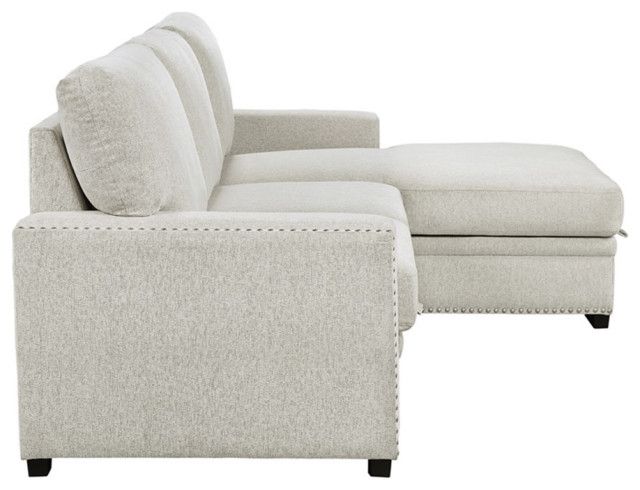
Picture this: You’ve finally found that gorgeous sectional sofa that looks like it was made just for your living room. But wait – does it actually fit? Will it work with your lifestyle? What if it’s too big for your space or too small for your needs? These are the questions that matter most when choosing the right sectional. This guide will walk you through everything from measuring your space to understanding different styles, helping you make a decision that feels right.
Choosing a sectional sofa is one of those decisions that can either transform your living space or leave you feeling like you’ve made a mistake. It’s not just about aesthetics – it’s about functionality, comfort, and how well it integrates with your everyday life. Whether you’re a busy parent with kids running around, a pet lover with furry friends, or someone who loves hosting guests, the right sectional can support all of that. But first, you have to find the one that works for you. Let’s talk about how to make that happen.
Measure Twice, Buy Once
Before you even start looking at sofas, you need to know exactly what you’re working with. Measure your room carefully. Take note of the width, length, and height of your space. Consider doorways, staircases, and any tight corners that might make moving furniture difficult. A sectional that looks perfect in a catalog might be too big for your hallway.
Don’t forget to think about traffic flow. Where do people usually walk in your living area? You want enough space for movement, especially if you have children or pets. A good rule of thumb is to leave at least 36 inches of clearance around seating areas. If your room is small, consider a smaller sectional or a modular design that can be reconfigured later.
Also, remember to measure the actual dimensions of the sofa. Some manufacturers list measurements that include the arms, while others don’t. Always double-check to avoid surprises.
Know Your Lifestyle
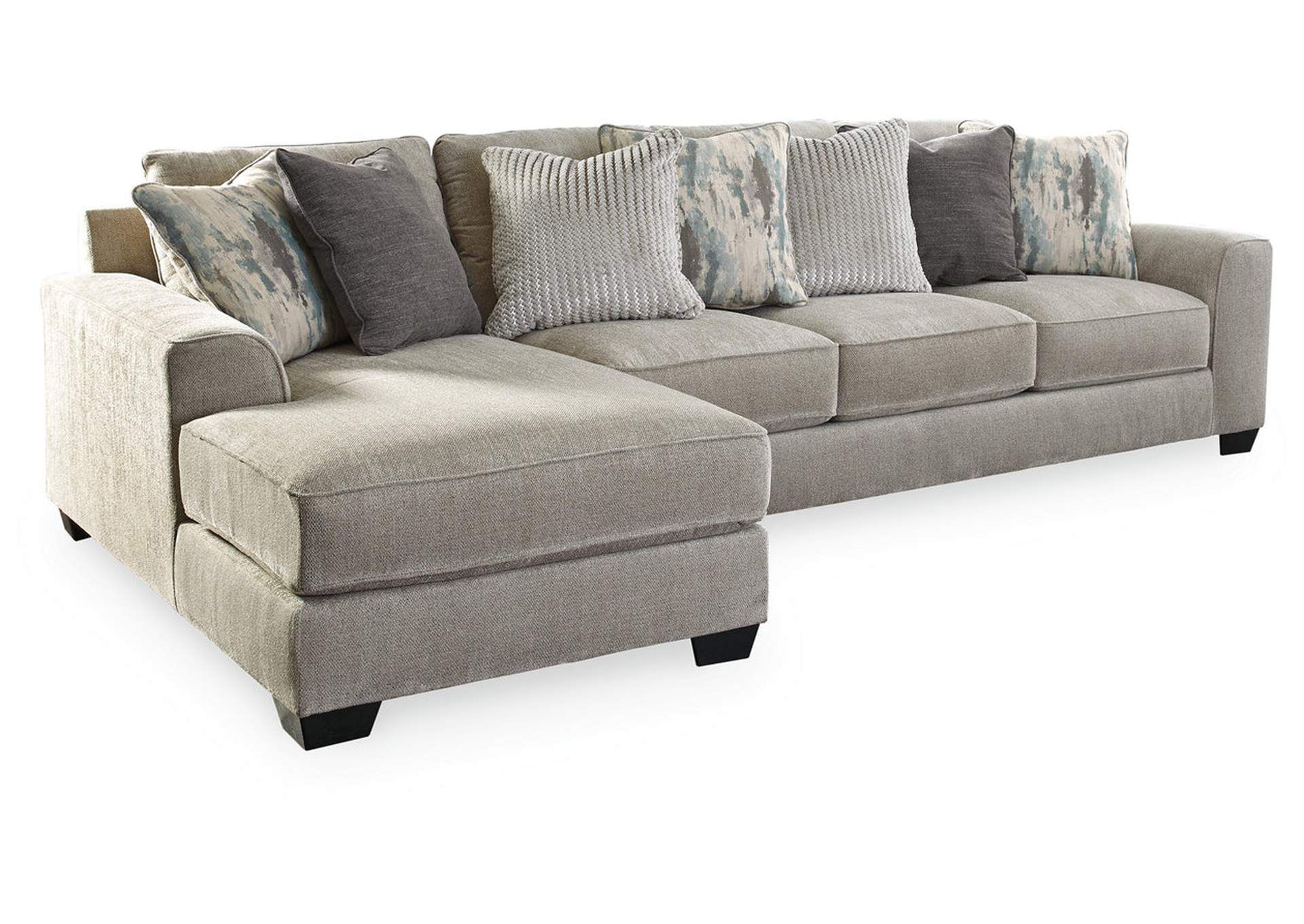
The way you live in your home should influence your choice of sectional. If you’re constantly entertaining, you’ll want something that accommodates lots of people comfortably. A large L-shaped sectional with a chaise can provide plenty of seating for guests. But if you mostly relax alone or with your partner, a smaller two or three-seater might be better.
Think about how much time you spend in the living room. If you work from home, maybe you want a sectional with a built-in desk or side table. If you have pets, look for durable materials like microfiber or performance fabrics that resist stains and scratches. For families with kids, consider sections that are easy to clean and won’t show wear easily.
Ask yourself: Do I need a sectional that’s easy to rearrange? Do I want something that can grow with my family? These questions will help narrow down options.
Material Matters
The material of your sectional affects everything from comfort to maintenance. Leather is elegant and easy to clean, but it can get hot in summer and may crack over time. Fabric sofas offer a wider variety of colors and textures, but they require more care and attention. Look for performance fabrics if you have kids or pets – these are designed to be stain-resistant and durable.
Upholstery options vary widely. Velvet gives a luxurious feel but requires careful maintenance. Microfiber is soft, comfortable, and great for families. Cotton blends offer a classic look and are breathable. Synthetic materials like polyester can be affordable and long-lasting.
Consider the room’s lighting too. Darker colors can make a space feel smaller, while lighter tones reflect light and open up the room. If your living room gets little natural light, choose a fabric that complements your existing decor rather than trying to hide it.
Style and Design Choices
Sectionals come in many shapes and sizes, each suited for different tastes and spaces. The most common types include:
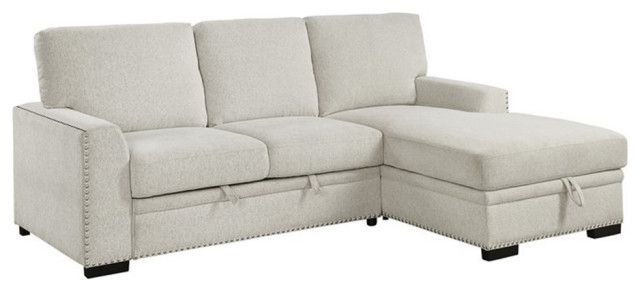
• L-shaped: Great for corner placement and provides lots of seating
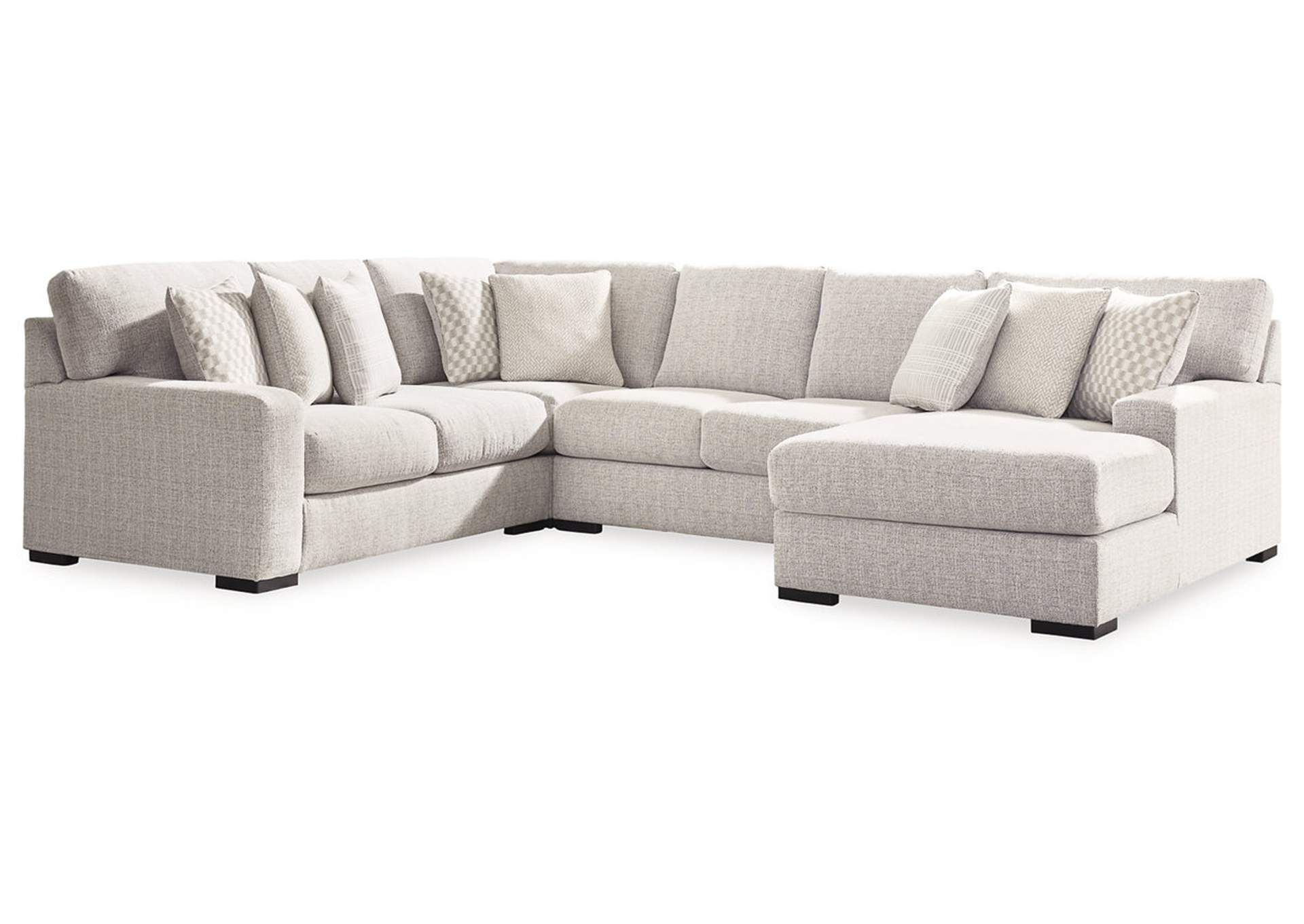
• U-shaped: Offers maximum seating and is ideal for larger rooms
• Straight sections: Perfect for smaller spaces or minimalist designs
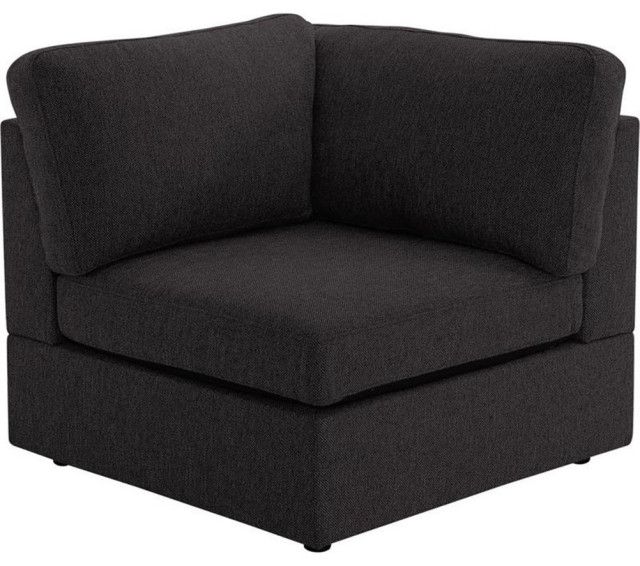
• Modular: Allows for flexible arrangement and easy reconfiguration
The style of your home matters too. Modern homes often favor clean lines and neutral colors, while traditional spaces might call for more ornate designs. If you have an eclectic style, a bold pattern or unique shape could be just what you need.
Don’t overlook accessories. Pillows, throws, and accent tables can change the entire vibe of a sectional. Think about how you’ll accessorize before buying. Also, consider whether the design will age well or if trends might quickly date it.
Comfort and Support
This is where things get personal. A beautiful sectional that doesn’t feel comfortable isn’t worth the investment. Spend time sitting on different models. Test the cushion firmness and back support. Does the seat depth accommodate your body type? Should you prefer a high-back or low-back design?
Look for sections with good lumbar support. Many people overlook this crucial aspect, but it can make a huge difference in long-term comfort. Some sectionals offer adjustable features like headrests or reclining mechanisms. These are helpful if you plan to watch TV or nap regularly.
The frame also plays a role in comfort. Solid wood frames tend to last longer than particle board or metal. Check the spring system inside the cushions too. Coil springs provide better bounce, while memory foam offers more contouring support.
Remember, comfort is subjective. What feels right to you might not match someone else’s preferences.
Budget and Value
Sectionals range from budget-friendly to luxury pieces that cost thousands. Set a realistic budget early on. Factor in delivery fees, assembly costs, and potential repairs. Sometimes a slightly more expensive option pays off in longevity and comfort.
Consider buying during sales or seasonal promotions. Many retailers offer discounts after major holidays. Keep an eye out for outlet stores or online deals too. But don’t sacrifice quality for savings. A poorly made sectional will end up costing more in replacements or repairs.
Check warranty coverage. Most reputable brands offer warranties ranging from one to ten years. Read the fine print. What’s covered? What isn’t? Are there limitations on wear and tear?
Also, think about future needs. Will this sectional serve you for five years or longer? If you’re expecting a new baby or planning a move, it might be worth investing in something that lasts.
Choosing the perfect sectional isn’t just about finding something that looks good in your home – it’s about finding something that enhances your daily life. Start with your space and lifestyle, then move on to material and style choices. Don’t rush the process. Take time to test comfort, check quality, and consider your budget. The right sectional will become a central part of your home, providing comfort and joy for years to come. It’s a decision worth making thoughtfully, because once you bring it home, it’s going to be there for a long time. So take a deep breath, measure twice, and choose wisely.