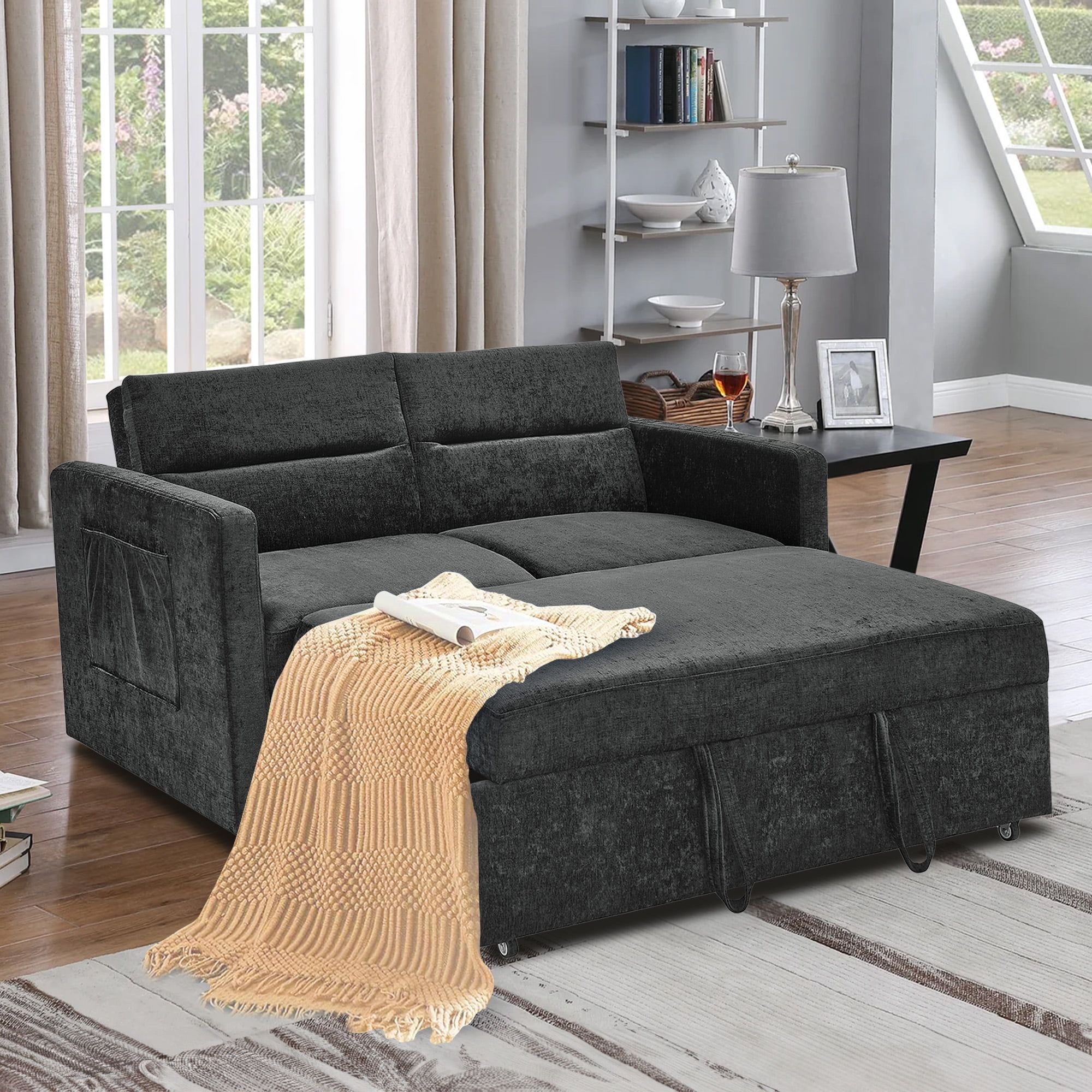
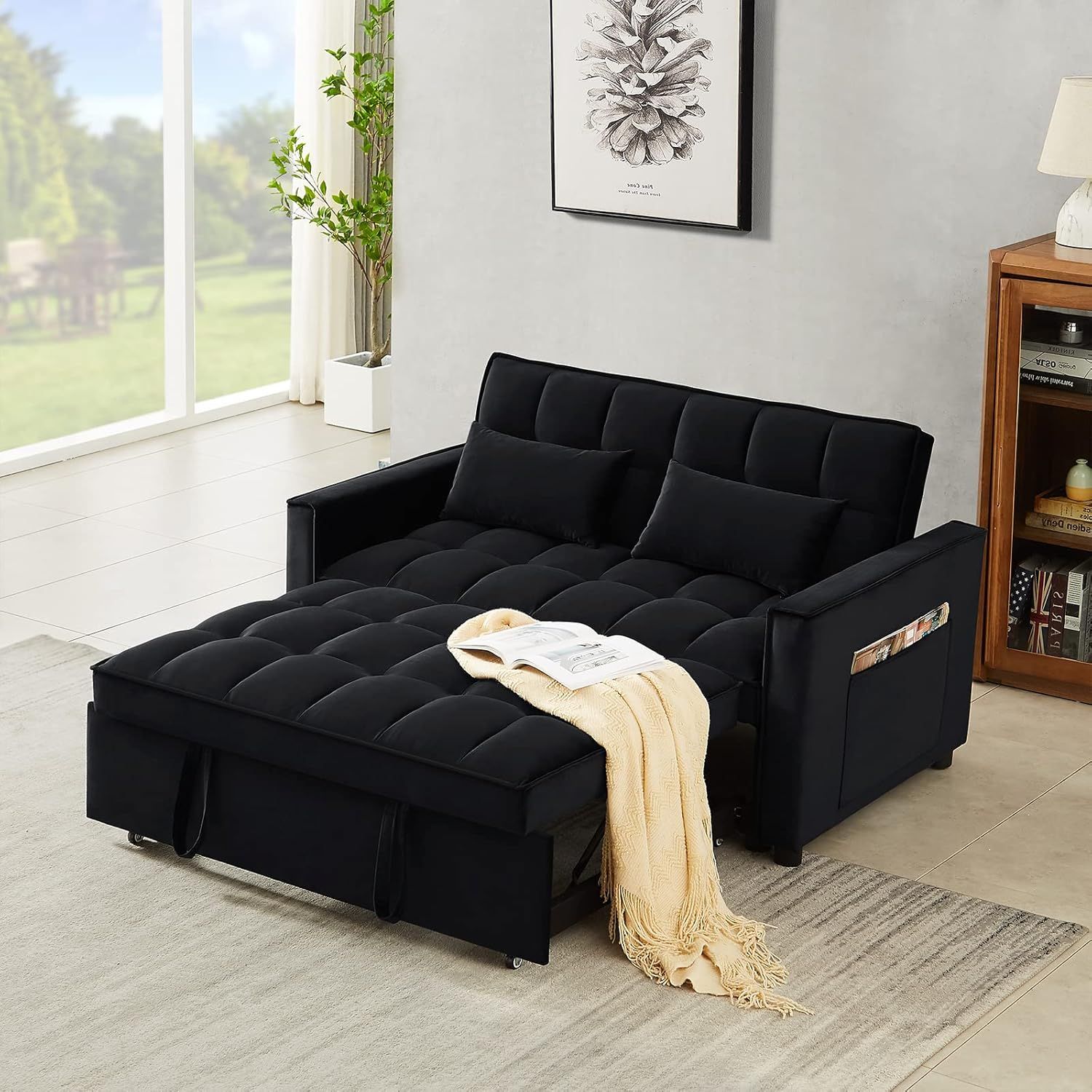
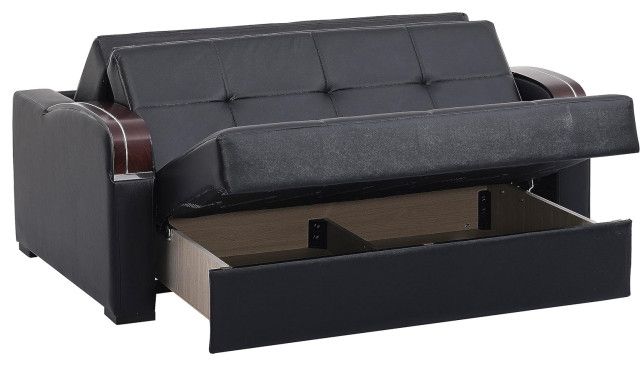
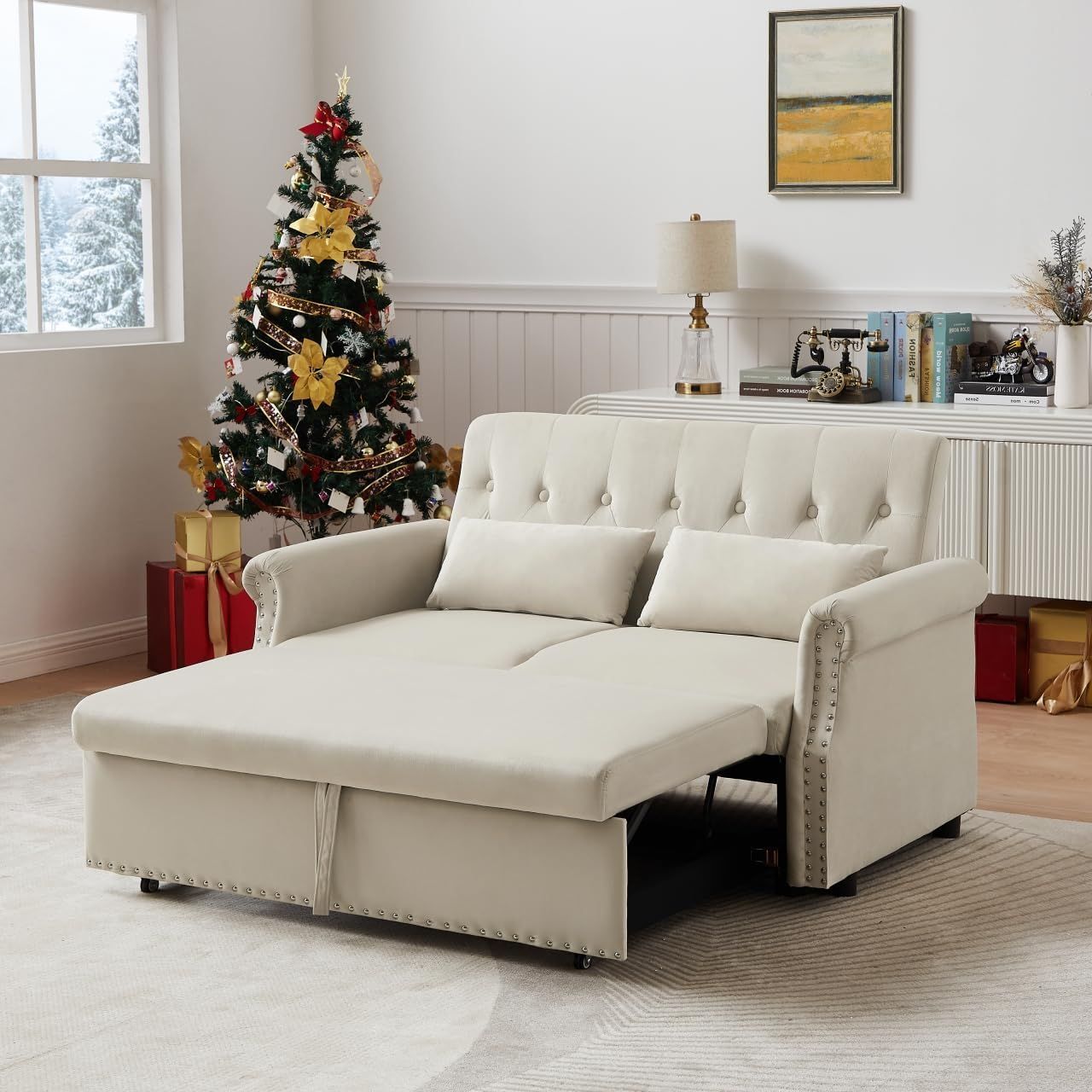
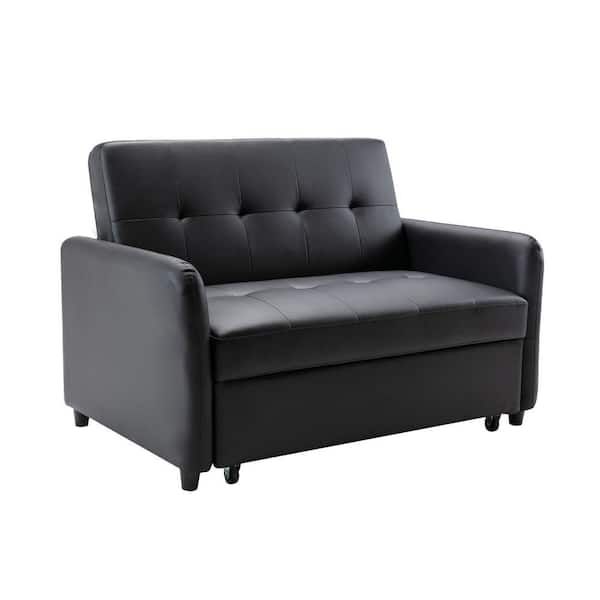
Picture this: a cozy corner of your living room transforms from a place for relaxing to a full-fledged bedroom overnight. That’s the magic of convertible sleeper loveseats. But how did these versatile pieces evolve from basic furniture to the sleek, stylish designs we see today? Let’s take a journey through time and design to uncover their fascinating story.
When you think about convertible sleeper loveseats, you might picture something basic – maybe a couch that folds out into a bed. But these pieces have undergone quite the transformation over the decades. What started as simple functional items have become sophisticated design statements. They’re no longer just about sleeping – they’re about creating flexible spaces that adapt to our modern lives. Whether you’re hosting guests, dealing with space constraints, or simply wanting a comfortable place to unwind, these furniture pieces have evolved to meet our changing needs. From cramped apartments to sprawling homes, they’ve found their way into countless living spaces. But how did they get here? What drove their evolution? Let’s dig into the fascinating history behind these adaptable furniture marvels.
The Birth of Functionality
In the early days, furniture was all about utility. People didn’t have much space, so every piece had to serve multiple purposes. Convertible sleeper loveseats emerged during the mid-1900s when families were smaller and housing was more compact. These weren’t fancy – they were practical solutions to a common problem. Think of them like the original multi-taskers in furniture form. Families needed somewhere to sit and relax, but they also needed a place for guests to sleep. These pieces solved both issues with one clever design. The earliest versions were often made from basic materials like wood and metal, with simple mechanisms for converting the seating area into a sleeping surface. They weren’t beautiful, but they were necessary. People didn’t have much choice – if they wanted both comfort and function, they had to make do with what was available. The key was getting the most out of limited space, and these loveseats delivered exactly that.
Design Revolution in the 1960s and 70s
The 1960s brought a wave of design innovation that completely changed how people thought about furniture. This era saw the rise of the ‘space age’ aesthetic, with clean lines and bold shapes becoming popular. Convertible sleeper loveseats got a major makeover during this time. Designers began experimenting with new materials like vinyl, synthetic fabrics, and even some early plastics. The mechanical systems became more refined too – no longer just simple folding mechanisms, these pieces now featured smoother transitions between seating and sleeping modes. What really set this period apart was the emphasis on style. These weren’t just functional pieces anymore; they were statements of taste. The 1970s added even more flair with vibrant colors, interesting textures, and bold geometric patterns. People started seeing these pieces as part of their home’s overall design rather than just as utilitarian objects. The evolution wasn’t just about looks though – it was about making the conversion process more seamless and user-friendly. Imagine having to pull out a heavy mattress and struggle with complicated hardware – that’s what people faced before these improvements came along.
Modern Materials and Innovation
Fast forward to today, and the materials used in convertible sleeper loveseats have changed dramatically. We’re talking about high-tech fabrics that resist stains and wear, memory foam mattresses that provide better support, and advanced spring systems that offer superior comfort. The technology behind these pieces has become incredibly sophisticated. You might be surprised to learn that modern loveseats can include features like built-in USB ports, LED lighting, and even massage functions. The frame construction has improved too, using stronger materials that last longer while still maintaining flexibility. What’s really interesting is how manufacturers now consider ergonomics in their design process. They think about how people actually sit, lie down, and move around these pieces. The engineering behind the conversion mechanism has also gotten smarter. Instead of requiring brute force, many modern versions now feature smooth, almost effortless transitions. Some even have automatic mechanisms that let you switch between seating and sleeping modes with the push of a button. It’s incredible how far we’ve come from those basic wooden frames with simple hinges.
Space-Saving Solutions for Urban Living
Today’s urban dwellers face unique challenges – limited space, high costs, and the need for multifunctional furniture. This has driven the popularity of convertible sleeper loveseats to new heights. In cities where square footage is at a premium, these pieces represent true luxury. They allow people to maximize their living space without sacrificing comfort. Consider a small studio apartment where the same room serves as kitchen, dining area, and living space. A loveseat that converts to a bed allows the owner to have guests stay over without needing a separate bedroom. The trend has been especially strong in places like New York, Tokyo, and London, where people are constantly looking for ways to optimize their living situations. Many modern designs incorporate hidden storage compartments, adjustable headrests, and even built-in shelving. The concept isn’t just about the physical conversion anymore – it’s about creating furniture that adapts to lifestyle changes. People might start with a family of two and later expand to include children or aging parents, and these pieces can accommodate that growth naturally.
Sustainability and Eco-Friendly Approaches
As environmental awareness grows, so does the focus on sustainable furniture design. Many manufacturers now prioritize eco-friendly materials and production methods when creating convertible sleeper loveseats. Recycled fabrics, sustainably sourced woods, and low-VOC finishes are becoming standard rather than special features. Some companies even offer take-back programs where old pieces can be recycled or repurposed. The longevity of these pieces matters too – people want furniture that will last for years, not just months. This has led to more durable construction techniques and better quality control. Designers are also thinking about the entire lifecycle of the product, from manufacturing to disposal. The modular approach to furniture design has gained popularity, allowing customers to upgrade components rather than replace entire pieces. For instance, someone might keep the frame of their loveseat but update the fabric or add new features. Sustainability isn’t just good for the planet – it’s also good for consumers who want to invest in pieces that will serve them well over time.
Future Trends and Smart Integration
Looking ahead, the future of convertible sleeper loveseats seems incredibly promising. Technology integration is already happening, with some models featuring smart sensors that can detect occupancy and adjust settings accordingly. Imagine a loveseat that automatically adjusts its firmness based on your body weight or even sends alerts to your phone when it’s time to replace the mattress. Connectivity features are also emerging – perhaps integrating with home automation systems so that everything from lighting to temperature can work in harmony with your furniture. The potential for customization is enormous too. Customers might be able to choose from various color combinations, material options, and even shape modifications. The trend toward personalization means that these pieces won’t just be functional – they’ll be deeply personal to each individual’s lifestyle and preferences. As we move toward more connected homes, these loveseats could become central hubs for managing daily life, combining comfort, functionality, and smart technology in ways we’re only beginning to imagine.
The journey of convertible sleeper loveseats from humble beginnings to today’s sophisticated designs reflects our evolving relationship with space and comfort. What started as simple solutions to practical problems has transformed into complex pieces that blend function with form, tradition with innovation. These furniture pieces have adapted to meet the needs of different eras – from the space-conscious families of the mid-1900s to today’s urban professionals seeking maximum efficiency. Their evolution tells us something important about how we live and what we value in our homes. As we continue to face new challenges in housing and lifestyle, these adaptable pieces will likely continue to evolve, offering creative solutions for modern living. Whether you’re buying your first loveseat or upgrading your existing one, understanding this history helps appreciate the thoughtful design that goes into these versatile pieces. The next time you settle into one of these comfortable transformations, remember that you’re experiencing decades of innovation and design thinking brought to life in your very own home.