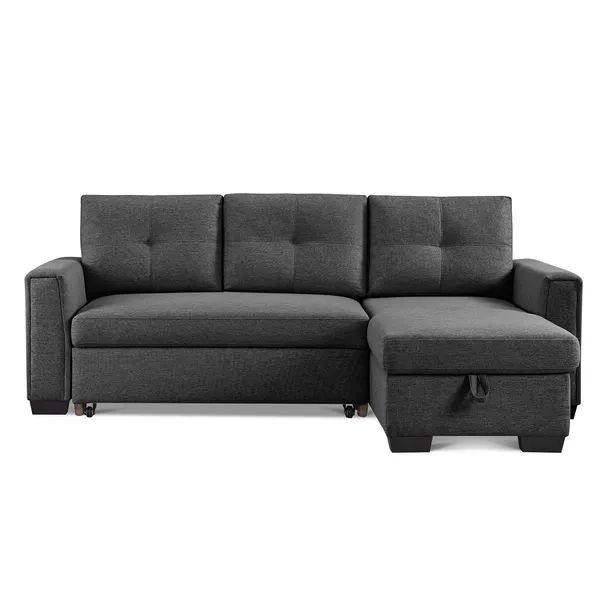
Picture this: You’ve got a tiny apartment, a growing family, and no extra room for a guest bedroom. What do you do? You make your furniture work double duty. Enter the sleeper sofa – the unsung hero of small-space living. These magical pieces don’t just sit pretty; they transform your entire living situation. They’re like the Swiss Army knife of furniture, doing everything from sleeping to entertaining to relaxing. But how exactly do you get the most out of these amazing multi-taskers? Let’s dive into some smart strategies that will make your space feel bigger, your life easier, and your furniture more versatile than ever before.
In today’s world of smaller living spaces and bigger demands, finding furniture that does more than one job has become essential. The sleeper sofa stands out as perhaps the most adaptable piece in any home. Whether you’re dealing with a studio apartment, a small bedroom, or a home office that needs flexibility, these configurations offer solutions that go far beyond simple seating. They’re not just about sleeping – they’re about maximizing every square foot of your space while maintaining comfort and style. From the basic design principles to the creative arrangements, understanding how to properly configure these pieces can completely change your living experience. Think of it as giving your furniture superpowers – and we’re here to show you how to activate them.
Understanding the Basics of Sleeper Sofa Functionality
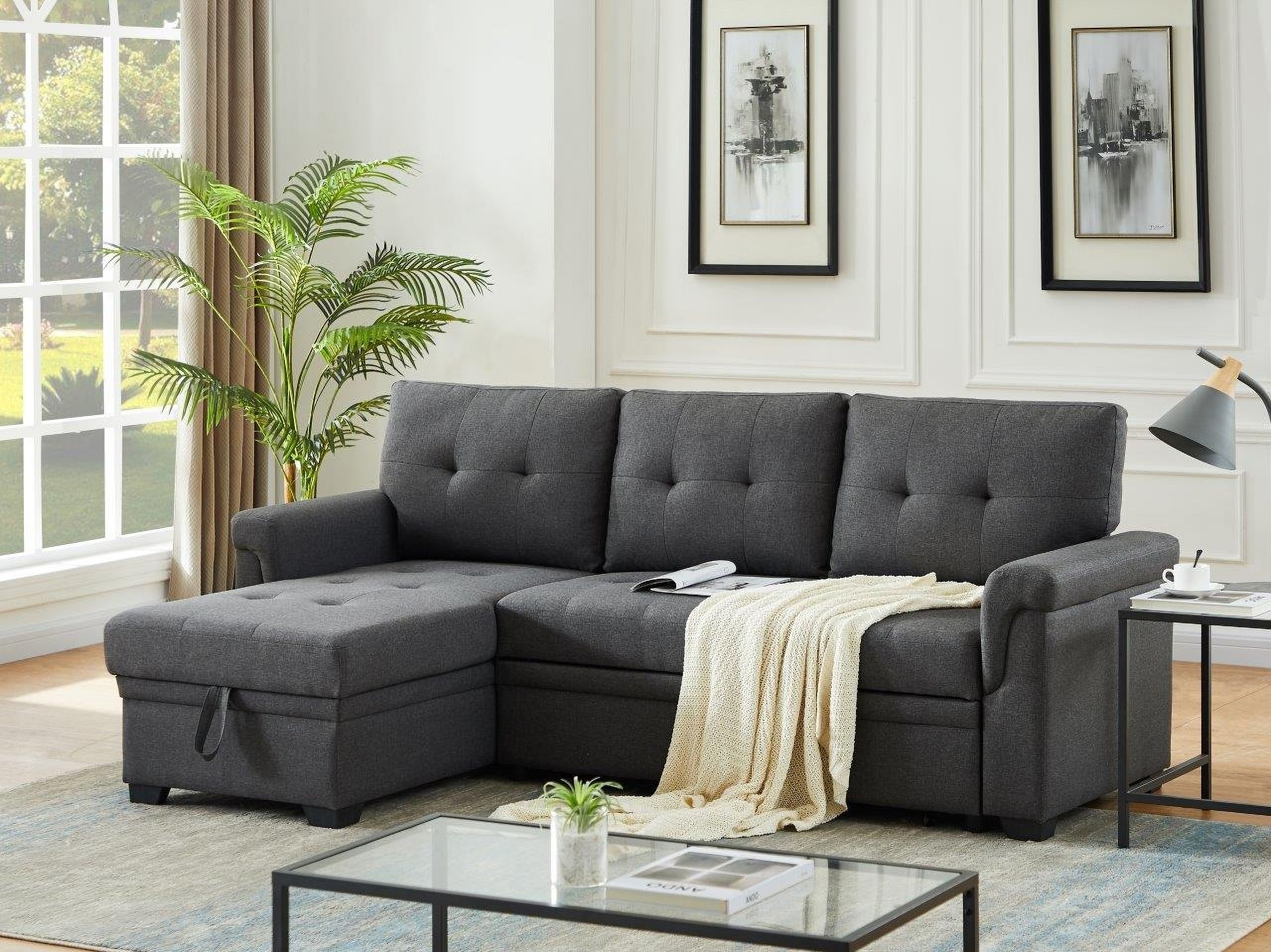
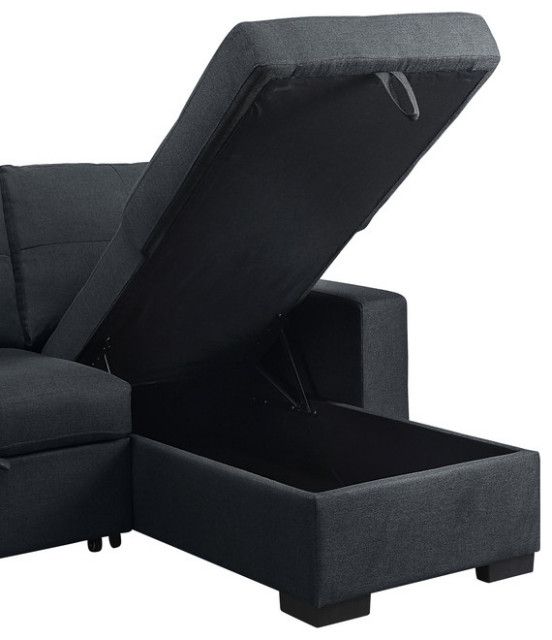
At its core, a sleeper sofa is designed to serve two primary functions: seating during the day and sleeping at night. But there’s more to it than meets the eye. The mechanisms that allow these pieces to transform vary widely. Some feature hidden storage compartments that can hold everything from blankets to seasonal decorations. Others incorporate built-in lighting or even charging ports for modern devices. The key is recognizing that these aren’t just sofas that fold out – they’re thoughtfully engineered to provide maximum utility in minimal space.
The mechanics behind these transformations often involve spring systems, hydraulic pistons, or even simple sliding mechanisms. Each type offers different advantages. Spring-based systems tend to be quieter and more reliable, while hydraulic ones provide smoother transitions. Understanding how your specific model works helps you use it more effectively. For instance, if you have a model with a hidden drawer underneath, you might store extra pillows or blankets there instead of cluttering your coffee table. It’s all about making smart choices based on how you actually live.
Choosing the Right Configuration for Your Space
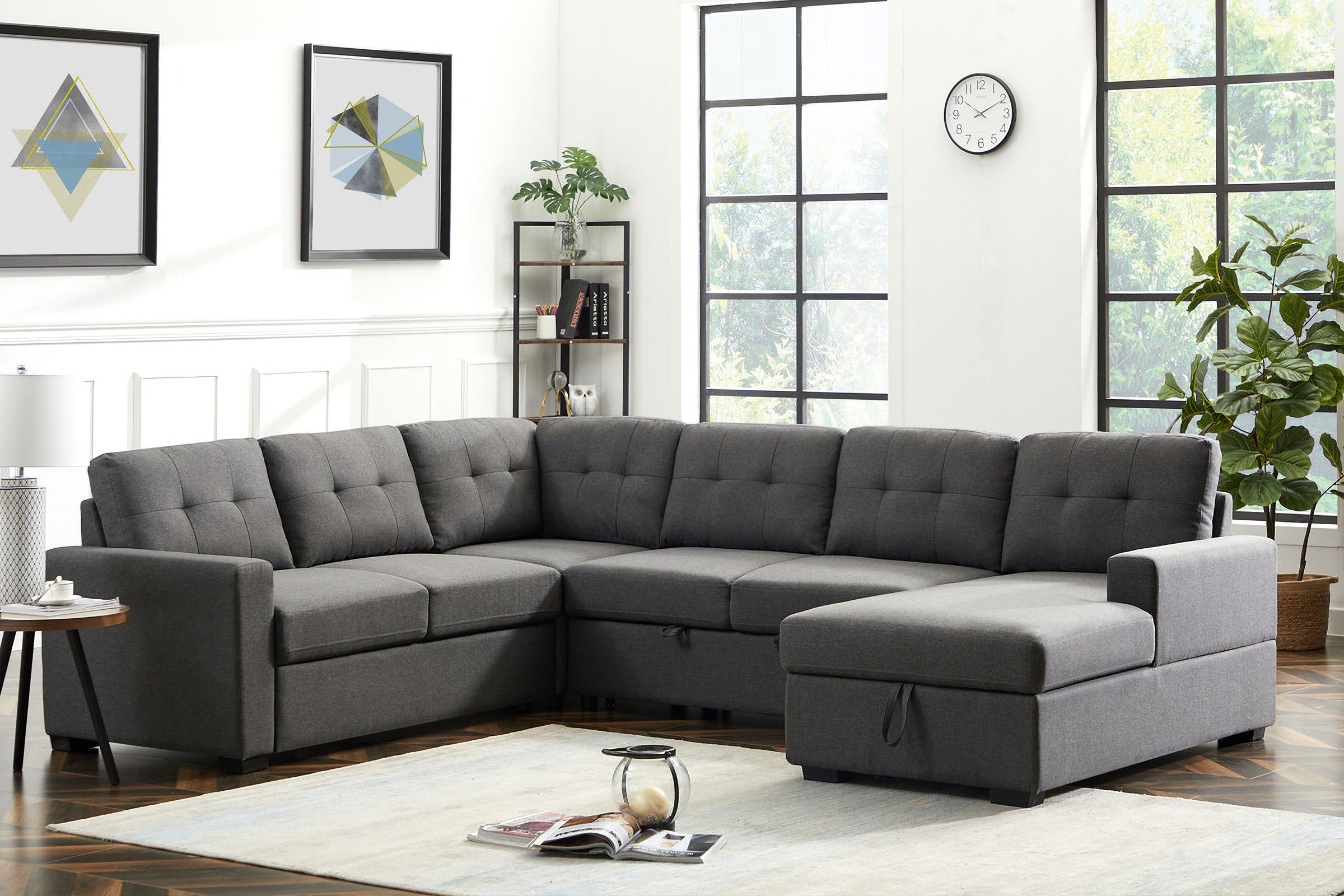
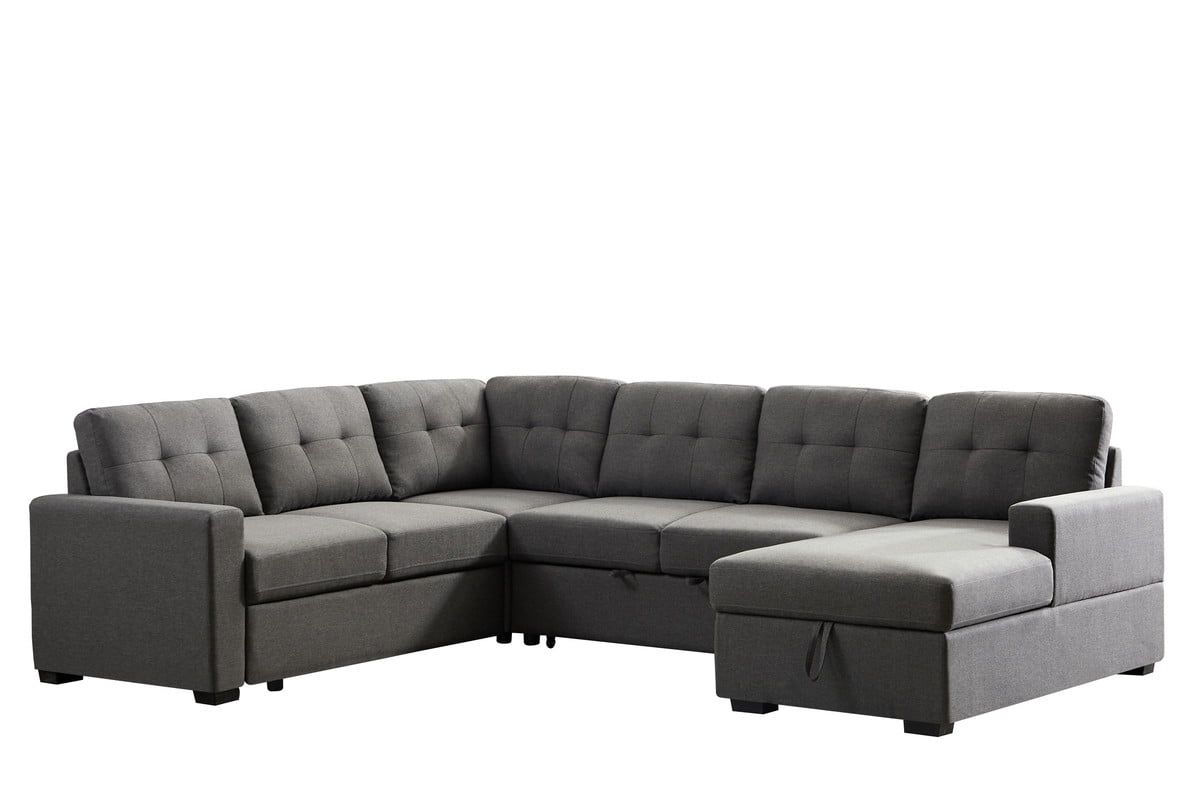
Not every space is the same, and not every sleeper sofa configuration fits every situation. The size of your room, the number of people who will use it, and even the style of your home all play important roles in determining which setup works best for you. A compact studio apartment might benefit from a corner sleeper that maximizes wall space, while a larger family room could handle a full-size sleeper that doubles as a conversation area.
Consider the traffic flow in your home too. If you have a high-traffic area, you might want to avoid configurations that require heavy lifting or complicated folding mechanisms. Think about how often you’ll actually use the sleeping function versus the seating function. If you rarely have guests, maybe a simpler configuration that focuses more on seating would be better. But if you frequently entertain, a more elaborate setup that easily converts between lounge and bed might be worth the investment.
A few key factors to evaluate:
• Available floor space
• Frequency of guest visits
• Number of people using the piece regularly
• Traffic patterns in the room
• Your budget constraints
Creative Arrangement Ideas for Small Spaces
Small spaces require creative thinking, and sleeper sofas offer excellent opportunities for clever arrangements. One popular approach is the "L" shaped configuration, which uses corners efficiently. This arrangement can create a natural separation between areas while maximizing usable space. Imagine placing your sleeper sofa against one wall and adding a small desk or bookshelf along the perpendicular wall – suddenly you’ve created both a comfortable seating area and a functional workspace.
Another effective strategy involves using the sleeper sofa as a room divider. In open-concept homes, these pieces can separate a living area from a dining space or bedroom without completely blocking sightlines. The key is choosing a configuration that maintains visual connection while providing privacy when needed.
Some people also experiment with stacked arrangements. If you have a second story or lofted ceiling, consider positioning your sleeper sofa higher up to create a unique focal point. This can add architectural interest while serving its dual purpose.
Pro tip: Always measure twice, arrange once. Even the most creative setup won’t work if it doesn’t fit your actual space. Take precise measurements of doorways, hallways, and room dimensions before making any major decisions.
Maximizing Storage and Hidden Features
One of the greatest benefits of modern sleeper sofas is their ability to incorporate storage solutions seamlessly. Many models include under-seat storage, hidden compartments, or even built-in shelving units. These features aren’t just decorative – they’re practical solutions for keeping your space organized and clutter-free.
Think about how you currently organize items in your home. Do you struggle with storage for seasonal clothing, extra bedding, or household supplies? A well-designed sleeper sofa can address these issues directly. Some models even include pull-out drawers specifically designed for storing linens or personal items. Others feature built-in cup holders, tablet trays, or even USB charging ports.
The secret to successful storage integration lies in planning ahead. Consider what you need to keep close at hand versus what can be stored away. Items you use daily should be easily accessible, while seasonal or rarely-used items can find a home in hidden compartments. This approach keeps your space feeling fresh and uncluttered.
Examples of smart storage features:
• Under-seat storage for blankets and pillows
• Hidden drawers for personal items
• Built-in shelves for books or decorative objects
• Cup holders and charging stations
• Fold-down tables for eating or working
Maintaining Comfort and Durability Over Time
A sleeper sofa isn’t just about initial purchase – it’s about long-term satisfaction. The way you use and care for your piece determines how well it performs over time. Regular maintenance prevents wear and tear that could compromise the functionality of your transformation mechanism.
Start with proper usage. Don’t force the conversion process – let it happen naturally. If your sofa feels stiff when converting, it might be time to check for dust or debris that’s interfering with the mechanism. Most manufacturers recommend cleaning the moving parts quarterly with appropriate lubricants.
Consider the materials used in construction. Upholstery choices affect both comfort and longevity. Leather tends to be more durable but requires more care, while fabric options offer easier cleaning and more color variety. The frame material matters too – solid wood or metal frames generally last longer than particle board.
Comfort isn’t just about initial feel – it’s about how well the piece adapts to your body over time. Make sure the mattress support system is adequate for your weight and sleeping preferences. Some people prefer firmer support, others softer, but everyone needs proper spinal alignment. Testing the sofa in various positions before purchasing helps ensure long-term satisfaction.
Maintenance tips:
• Clean upholstery according to manufacturer instructions
• Check moving parts regularly for smooth operation
• Rotate cushions periodically to ensure even wear
• Address any squeaks or creaks promptly
• Follow recommended maintenance schedules
Cost-Effective Solutions for Budget-Conscious Buyers
Not everyone has unlimited budgets, but that doesn’t mean you have to sacrifice functionality for affordability. There are many cost-effective approaches to getting quality sleeper sofa configurations without breaking the bank. The key is looking beyond the initial price tag and considering total ownership costs.
Shopping strategically can save significant money. Compare prices across retailers, look for end-of-season sales, or consider buying slightly older models that still offer excellent performance. Many brands offer financing options that make premium pieces more accessible.
Quality components matter more than flashy features. A well-built sleeper with solid mechanisms and good materials will outlast a cheaper version with fancy accessories. Focus on the basics: reliable conversion mechanism, sturdy frame, and quality upholstery. These elements form the foundation of a good investment.
Consider secondhand options too. Many people upgrade their furniture every few years, leaving behind perfectly functional pieces. Online marketplaces and local classifieds often have excellent deals on gently used sleeper sofas. Just be sure to inspect thoroughly for wear and test the conversion mechanism before purchasing.
Money-saving strategies:
• Shop off-season or during clearance events
• Consider gently used pieces with good reviews
• Look for warranties that cover mechanical components
• Prioritize quality over quantity in terms of features
• Buy from reputable retailers with good return policies
The art of maximizing space with multi-functional sleeper sofa configurations isn’t just about fitting more furniture into less room – it’s about creating smarter, more flexible living environments. When you choose the right configuration, you’re essentially designing your space to adapt to your lifestyle rather than forcing your lifestyle to fit a rigid space. These pieces represent a shift toward more intentional living, where every element serves multiple purposes and contributes to overall well-being.
Whether you’re a first-time buyer or someone looking to upgrade your current setup, remember that the best configuration is one that matches your actual needs and usage patterns. Take time to think about how you really live, what problems you’re trying to solve, and what compromises you’re willing to make. The right sleeper sofa can transform not just your physical space, but your entire approach to home organization and daily routines.
The future of small-space living lies in these kinds of innovative solutions. As urbanization continues and housing costs rise, the demand for versatile furniture like sleeper sofas will only grow. By learning to use these pieces effectively now, you’re preparing yourself for whatever changes come next. Your home doesn’t have to be cramped or inconvenient – it can be smart, stylish, and perfectly suited to your life.