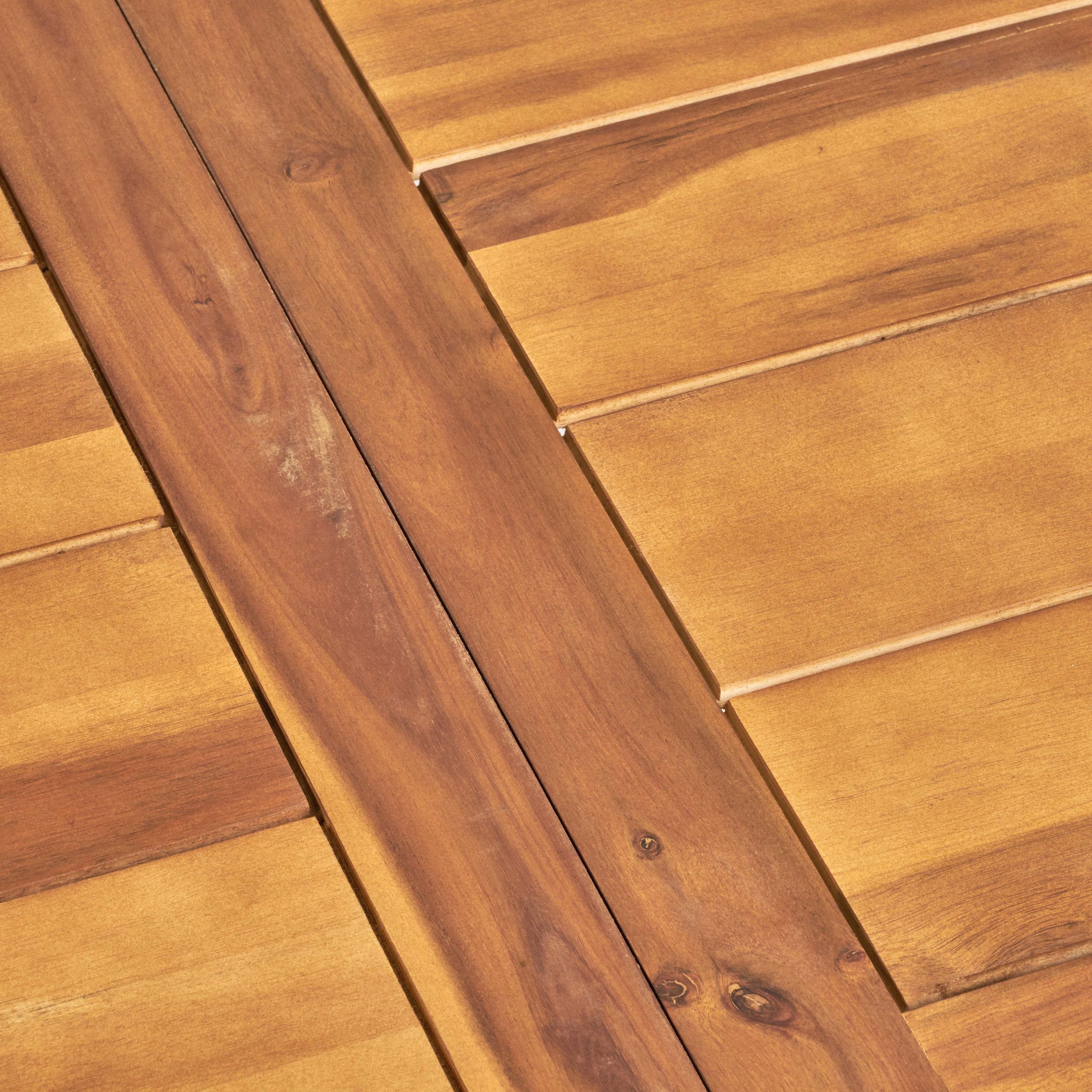
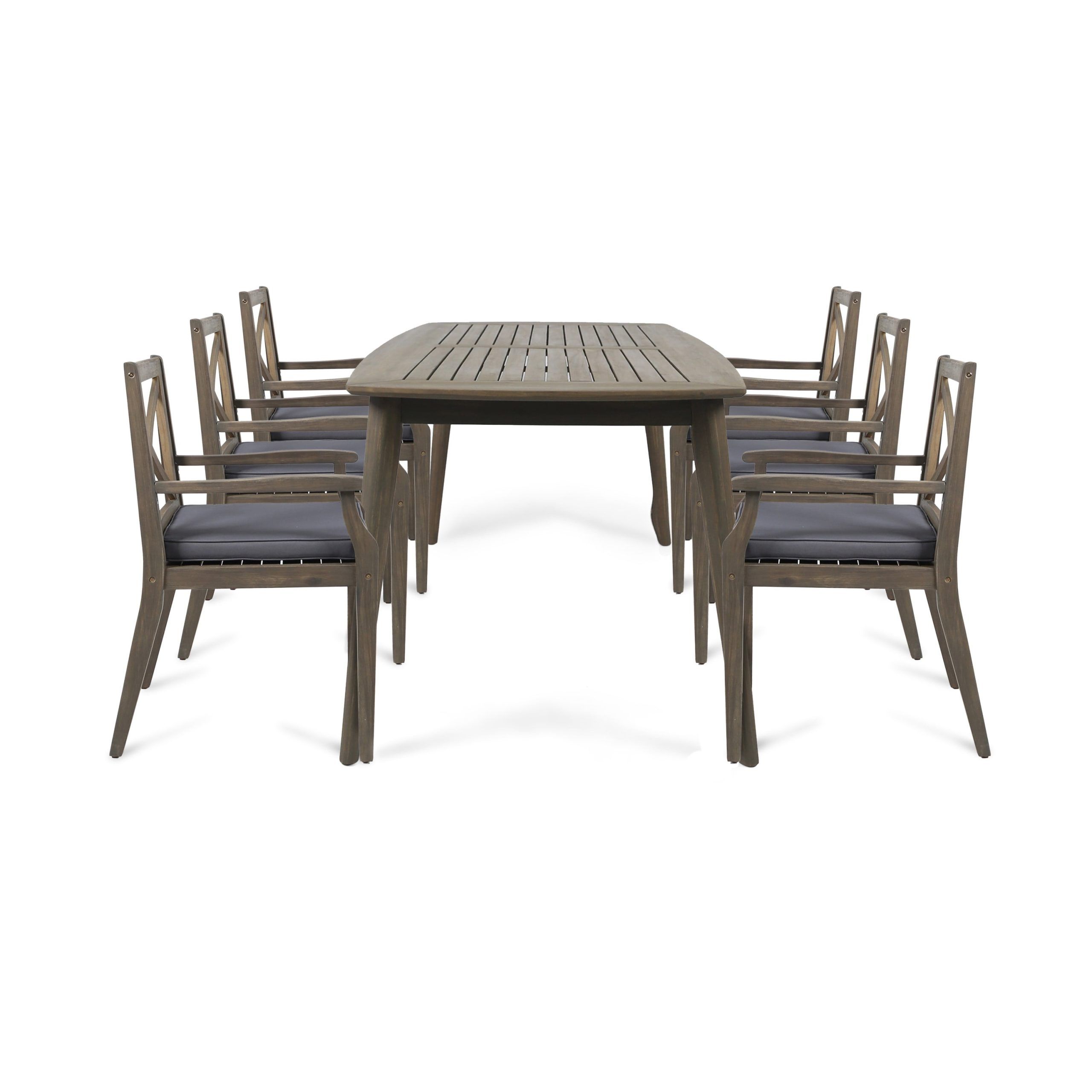
Every time you sit down for dinner, you’re not just enjoying a meal – you’re experiencing centuries of craftsmanship. Wooden dining sets, particularly those like the celebrated Delgado line, represent the pinnacle of artisanal woodworking. These aren’t mass-produced items; they’re carefully crafted pieces that tell stories of tradition, skill, and dedication. What happens between the felling of a tree and the final polish of your dining table? Let’s explore that journey together.
When you look at a wooden dining set, especially one like the Delgado collection, what you see is just the beginning. Behind every perfectly jointed leg, every seamless surface, and every elegant curve lies a story of patience, precision, and passion. The process isn’t simply about cutting wood and assembling pieces. It’s about understanding wood properties, respecting natural grain patterns, and applying time-honored techniques that have been refined over generations. The magic happens when raw timber transforms into something that will grace family dinners for decades.
Selecting the Perfect Timber
The foundation of any exceptional wooden dining set begins with choosing the right wood. For sets like the Delgado collection, craftsmen often prefer hardwoods such as oak, maple, or cherry. These woods offer durability and beauty that lasts. But it’s not just about the species – it’s about the quality of the timber itself. Craftsmen examine each piece carefully, looking for straight grain lines, minimal knots, and even moisture content. A single board might cost more than the final product because of its superior characteristics. Consider how different woods age differently – oak develops a beautiful patina, while cherry deepens to rich amber tones over time. The choice of wood literally shapes the character of your dining experience.
The Cutting and Seasoning Process
Once timber arrives at the workshop, the real work begins. Raw logs must be cut precisely to size, often using traditional methods alongside modern tools. This stage requires tremendous skill because every cut affects the final result. After cutting, wood enters a seasoning phase that can last months or even years. Proper drying prevents warping and ensures stability. During this time, craftsmen monitor humidity levels and temperature carefully. It’s like preparing ingredients for a gourmet recipe – you wouldn’t rush a slow-cooked dish, and you shouldn’t rush wood seasoning either. The patience shown here directly impacts how well your dining set will hold up over decades.
Handcrafted Joinery Techniques
This is where the true artistry shines. Traditional joinery methods like mortise and tenon, dovetails, and half-lap joints create strong connections without relying heavily on nails or glue. These techniques require incredible precision and skill passed down through generations. A master craftsman can fit a joint so perfectly that you’d never guess it wasn’t carved from a single piece. The Delgado sets often feature hand-cut joints that showcase this expertise. Imagine sitting at a table where each connection was made by someone who understands not just how to build, but how to build beautifully. These joints become part of the furniture’s soul.
Shaping and Finishing
After assembly, the real transformation occurs during shaping and finishing. This stage involves sanding, carving, and smoothing surfaces until they feel like silk. Craftsmen use various tools, from hand planes to power sanders, depending on the desired finish. The process reveals the wood’s natural beauty and character. Some artisans prefer natural oils that enhance grain patterns, while others apply multiple layers of protective finishes. Each approach tells a different story about the piece’s intended use and aesthetic. The final finish isn’t just about protection – it’s about creating the right tactile experience for daily use.
Quality Control and Final Inspection
Every completed dining set undergoes rigorous testing and inspection. Craftsmen check for structural integrity, surface smoothness, and overall appearance. They test drawers for smooth operation, verify that all joints are secure, and ensure legs are perfectly level. Some craftspeople even place their finished pieces under stress tests to simulate real-world usage. This careful attention to detail ensures that what reaches your home meets the highest standards. It’s remarkable how much care goes into checking each small element before considering the piece complete.
The Legacy of Master Craftsmanship
What makes wooden dining sets like the Delgado collection truly special isn’t just their appearance, but the legacy they represent. Each piece carries forward centuries of woodworking wisdom and techniques that are increasingly rare in our fast-paced world. When you purchase such a set, you’re investing in craftsmanship that connects you to artisans who understood wood as both material and art form. These pieces become heirlooms, carrying stories of family gatherings and shared meals. They’re not just furniture – they’re investments in tradition and quality that will continue serving future generations.
The journey from forest to dining table is far more involved than most people realize. Every wooden dining set, particularly those crafted with traditional methods like the Delgado collection, represents countless hours of skilled labor, careful selection, and deep respect for materials. When you sit around a table that was built by hand, you’re participating in a tradition that spans centuries. The attention to detail, from choosing the right timber to perfecting each joint, creates furniture that’s both functional and beautiful. These pieces remind us that some things are worth the time and effort required to do them properly. The next time you enjoy a meal at your wooden dining table, take a moment to appreciate the craftsmanship that brought it to life.