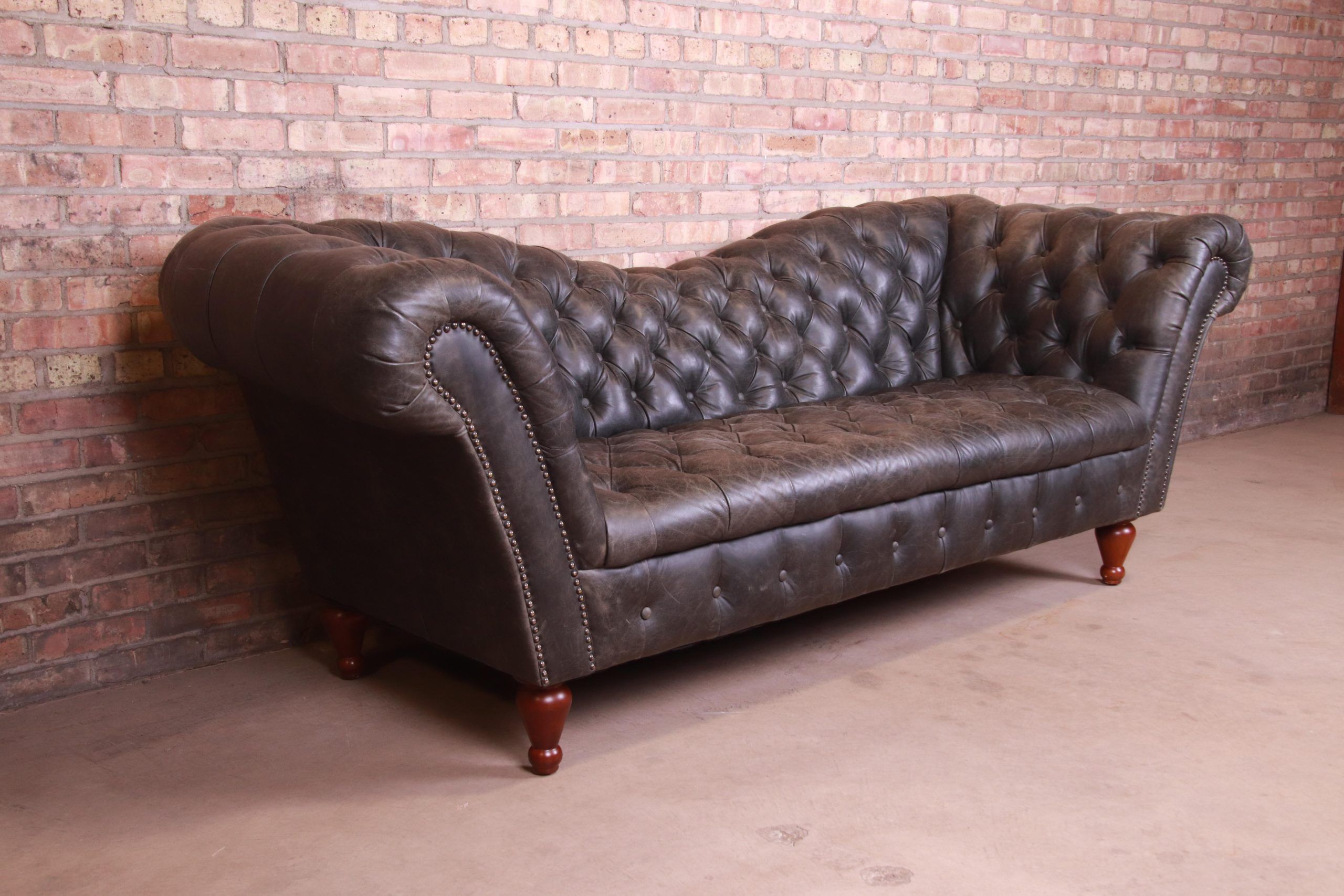
Imagine sitting on a chair that feels luxurious but doesn’t cost the earth. That’s the promise of vegan leather upholstery, and it’s changing how we think about comfort and conscience. As consumers become more aware of their choices’ impact, the shift toward plant-based alternatives isn’t just a trend – it’s a movement.
When you think about the materials that make up our daily lives, the choice between vegan leather and animal hide might not cross your mind. But underneath those sleek couches, luxury car seats, and designer handbags lies a complex story of environmental consequences. The furniture industry, in particular, has been quietly transforming. What started as a niche market for ethical consumers has now become a mainstream conversation about sustainability. Whether you’re buying a new sofa or considering a leather jacket, understanding the environmental footprint of your decision matters more than ever.
The Hidden Cost of Animal Hide
Let’s start with the elephant in the room – the environmental toll of traditional leather production. Every hide that enters the tannery represents a complex chain of environmental impacts that often go unnoticed. From raising cattle to processing the final product, the entire process requires massive amounts of water, chemicals, and energy.
Cattle farming alone contributes significantly to greenhouse gas emissions. According to research, livestock agriculture accounts for around 14.5% of global greenhouse gas emissions. When you factor in the land use, water consumption, and methane produced by these animals, the numbers become staggering.
The tanning process itself is particularly problematic. Traditional leather tanning uses chromium, a toxic chemical that can contaminate groundwater and soil. In many developing countries, these chemicals aren’t properly treated before being released into the environment. The result? Polluted rivers, damaged ecosystems, and health issues for local communities.
Think about it – every time you buy a leather sofa, you’re essentially purchasing the environmental cost of raising cattle, processing hides, and managing toxic waste. It’s not just about the product itself; it’s about the entire system that creates it.
Vegan Leather’s Environmental Advantage
Now let’s turn to the alternative. Vegan leather, made from materials like polyurethane, pineapple leaves, mushroom mycelium, or recycled plastics, offers a dramatically different environmental profile. These materials don’t require animal agriculture, which means no methane emissions, no deforestation for grazing land, and no massive water usage.
Polyurethane-based vegan leather, while synthetic, has some advantages over traditional leather. It uses less water during production and doesn’t involve animal agriculture. However, it does have its drawbacks, particularly around plastic production and disposal.
More innovative options like Piñatex, made from pineapple leaf fibers, or mushroom leather offer even better prospects. These materials are renewable, biodegradable, and often created as byproducts of other industries. The pineapple industry, for example, was generating tons of waste until companies found ways to use those leaves.
The environmental benefits extend beyond just the material itself. Vegan leather production typically requires fewer chemicals and generates less pollution. Many brands are also using renewable energy sources and implementing closed-loop systems to minimize waste. The overall carbon footprint of vegan leather is significantly lower than traditional leather in most cases.
Water Usage: A Critical Comparison
Water consumption tells a powerful story when comparing these two materials. The average hide requires roughly 10,000 liters of water to produce, including all stages of animal agriculture and processing. That’s equivalent to drinking that much water every day for over 27 years.
In contrast, modern vegan leather production uses far less water. For instance, mushroom leather requires only a fraction of the water compared to traditional leather. Some plant-based alternatives use even less, especially when they’re made from agricultural byproducts that would otherwise be wasted.
Consider the case of a major furniture manufacturer that switched from leather to vegan alternatives. They reported a 60% reduction in water usage across their production lines. This isn’t just good for the environment – it’s also good for business costs. Water scarcity is becoming a global concern, and reducing consumption makes sense both ethically and economically.
The irony is that while we often associate leather with durability and longevity, the resources required to produce it are anything but sustainable. Vegan alternatives, though newer, are proving they can match performance standards while dramatically reducing resource consumption.
Chemical Pollution and Toxicity
The chemicals involved in traditional leather production are some of the most concerning aspects of the industry. Chromium, formaldehyde, and various heavy metals are commonly used in tanning processes. These substances can persist in the environment for decades, contaminating soil and water sources.
In many countries, especially those with less stringent environmental regulations, these chemicals aren’t properly disposed of. The result is polluted rivers that affect entire communities downstream. Fish die, crops fail, and people face health risks from contaminated water supplies.
Vegan leather production, particularly when done responsibly, avoids these chemical hazards entirely. Even synthetic versions often use safer alternatives or have better control over chemical usage. Some manufacturers are now using natural dyes and plant-based treatments instead of harsh chemicals.
It’s worth noting that some vegan leathers still use petroleum-based materials, but the overall chemical load is generally much lower. Plus, there’s growing innovation in creating completely natural and non-toxic alternatives. Companies are experimenting with everything from algae-based materials to seaweed fiber blends.
This difference in chemical approach matters more than you might think. Every product you touch, whether it’s a purse or a couch, carries the environmental legacy of its production. Choosing alternatives that avoid harmful chemicals helps protect both people and planet.
Waste Management and Lifecycle Impact
What happens to these materials at the end of their useful life? Traditional leather products are notoriously difficult to dispose of properly. They’re not biodegradable, and the chemicals they contain can harm the environment if not handled correctly. Many end up in landfills where they slowly break down, releasing toxins into the ground.
Vegan leather presents a more promising picture, especially with newer innovations. Some materials are designed to be fully recyclable or compostable. For example, certain mushroom-based leathers can be broken down naturally within months rather than decades.
The lifecycle analysis shows that vegan alternatives often perform better when considering the full journey from raw materials to disposal. While they may have higher upfront production costs, the long-term environmental impact is usually lower. This includes factors like transportation, storage, and end-of-life management.
A recent study compared the lifecycle of leather and vegan alternatives for automotive seating. The results showed that vegan options had a 30% lower overall environmental impact, even when accounting for the manufacturing process. This includes reduced emissions, lower water use, and decreased solid waste generation.
Manufacturers are also getting better at designing for circular economy principles. Many are creating products that can be easily disassembled, repaired, or repurposed, extending their useful life and reducing the need for replacement.
Economic and Social Considerations
The environmental argument for vegan leather is compelling, but it’s not just about the planet. There are economic and social dimensions worth exploring too. Traditional leather production supports millions of jobs worldwide, particularly in developing countries where animal husbandry is a major economic activity.
Switching to vegan alternatives could disrupt these established supply chains, potentially affecting livelihoods. However, it’s also creating new opportunities in sustainable manufacturing and eco-friendly design. The vegan leather industry is growing rapidly, creating employment in new sectors.
There’s also the question of fairness in global trade. Much of the leather industry relies on low-wage labor in countries with weaker environmental regulations. Vegan leather production, when done responsibly, often involves higher labor standards and better working conditions.
Consumers are increasingly demanding transparency in supply chains. Brands that embrace vegan alternatives often find they can provide more detailed information about their sourcing, manufacturing, and environmental practices. This transparency builds trust and allows people to make informed decisions.
The social aspect extends to animal welfare as well. For many people, the decision to choose vegan leather isn’t just about the environment – it’s also about reducing animal suffering. This personal choice has ripple effects that extend far beyond individual purchases.
Choosing vegan leather over animal hide isn’t just a matter of style or ethics – it’s a practical decision with measurable environmental benefits. From water conservation to chemical reduction and waste management, the evidence points to a greener future when we make thoughtful material choices. While the technology continues to evolve and improve, the basic principle remains clear: sustainable alternatives offer better outcomes for our planet and future generations.
The shift isn’t always easy – it requires changes in consumer behavior, investment in new technologies, and commitment from manufacturers. But as more people learn about the hidden costs of traditional leather and the emerging possibilities of plant-based alternatives, the momentum keeps building. Whether you’re upgrading your living room or shopping for your next bag, every choice matters. And when we all make more conscious decisions, we create a collective impact that goes far beyond individual purchases.