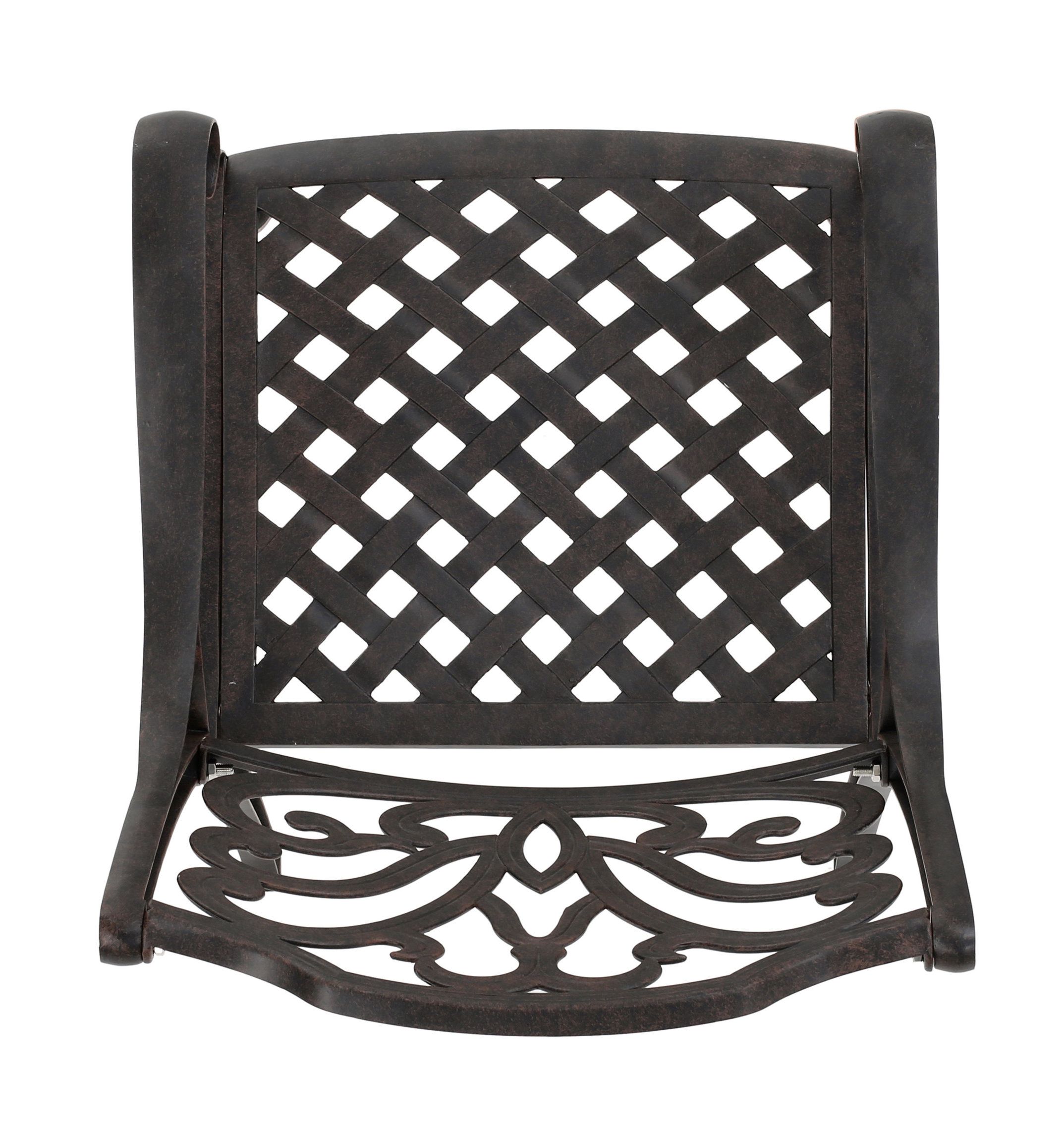
Picture this: You’ve invested in beautiful outdoor furniture, complete with premium materials and stunning designs. But after just a few seasons, you notice fading, warping, or rust spots appearing. What went wrong? The answer lies in one crucial factor that often gets overlooked when shopping for outdoor pieces – weather resistance. This isn’t just about keeping your furniture looking good. It’s about ensuring it lasts for years to come, regardless of whatever Mother Nature throws at it.
Outdoor furniture faces a daily battle against the elements. From scorching sun to heavy rain, from freezing winters to intense heat, these pieces must endure conditions that indoor furniture never sees. The question isn’t whether your outdoor furniture will face weather challenges, but rather how well it can handle them. This resilience directly determines how long your investment will last. Think about it – if you’re spending hundreds or even thousands on patio sets, why wouldn’t you want them to serve you for decades rather than just a few seasons? Understanding how weather resistance affects longevity isn’t just helpful; it’s essential for anyone serious about outdoor living spaces.
Understanding Weather Resistance Basics
Weather resistance isn’t just a fancy marketing term. It’s the ability of materials to withstand environmental stressors without deteriorating. When we talk about weather resistance in furniture, we’re really discussing how well different materials handle UV radiation, moisture, temperature fluctuations, and other natural forces. For instance, aluminum and stainless steel naturally resist corrosion, while wood needs special treatments to prevent rotting and splitting. The key is knowing which materials work best under what conditions. Consider a simple picnic table made of untreated pine versus one treated with weather-resistant sealant. The difference in lifespan could be decades. That’s the power of understanding what makes materials weather-resistant in the first place.
Material Science and Weather Impact
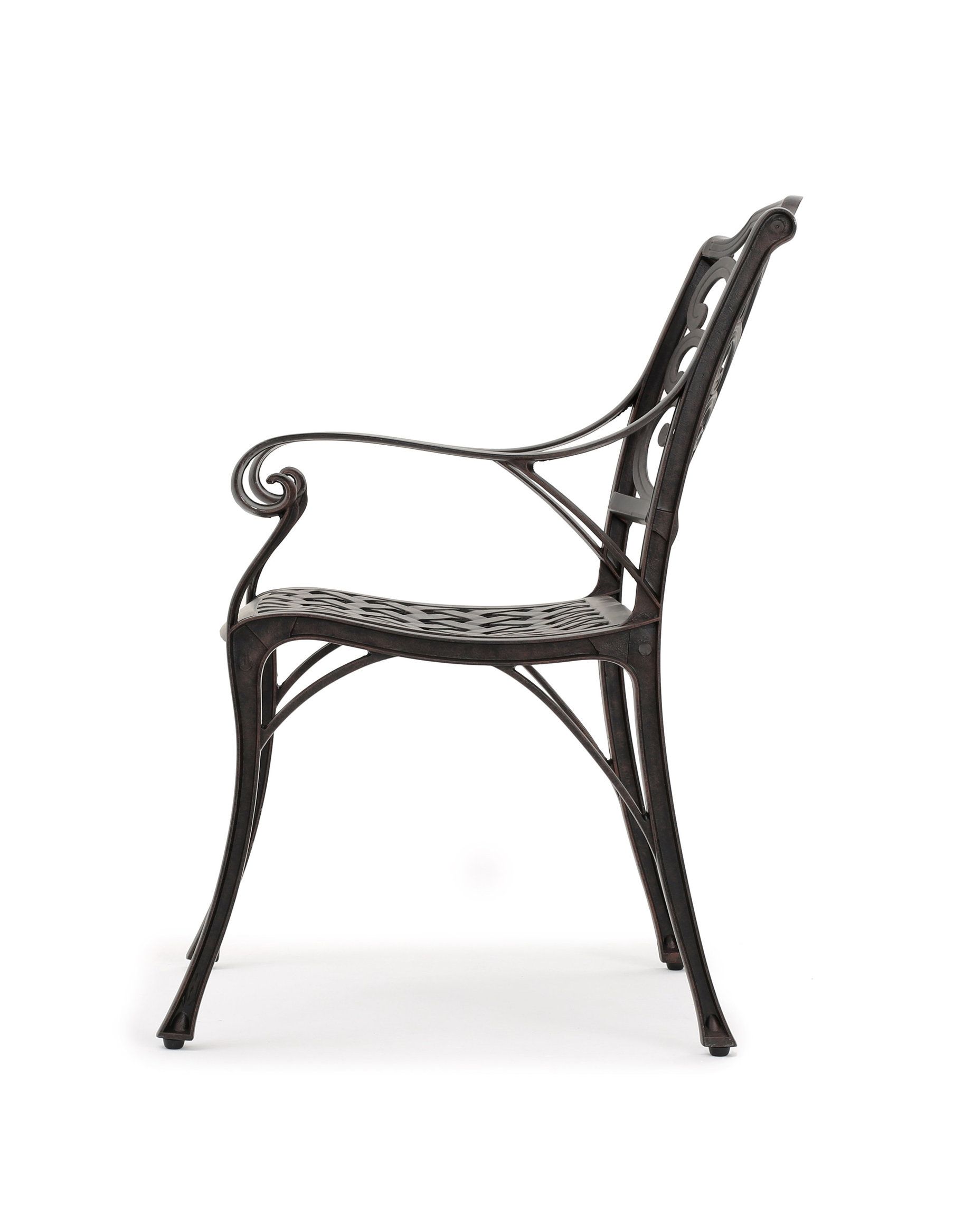
Different materials react uniquely to environmental factors. Metals like aluminum and stainless steel excel in harsh conditions because they don’t rust easily. However, they can still fade over time due to UV exposure. Wood, on the other hand, requires more attention. Untreated lumber can warp, crack, and rot within months of regular outdoor exposure. But treated woods like cedar or teak offer natural resistance to insects and moisture. Plastic materials vary widely too – high-density polyethylene (HDPE) tends to be more durable than standard plastics. The science behind this shows that some materials have molecular structures that resist breaking down under UV light or water exposure. For example, certain polymers used in outdoor furniture can actually break down when exposed to prolonged sunlight, causing discoloration and brittleness. This is why manufacturers test their products extensively before releasing them to the market.
The Role of Protective Coatings and Treatments
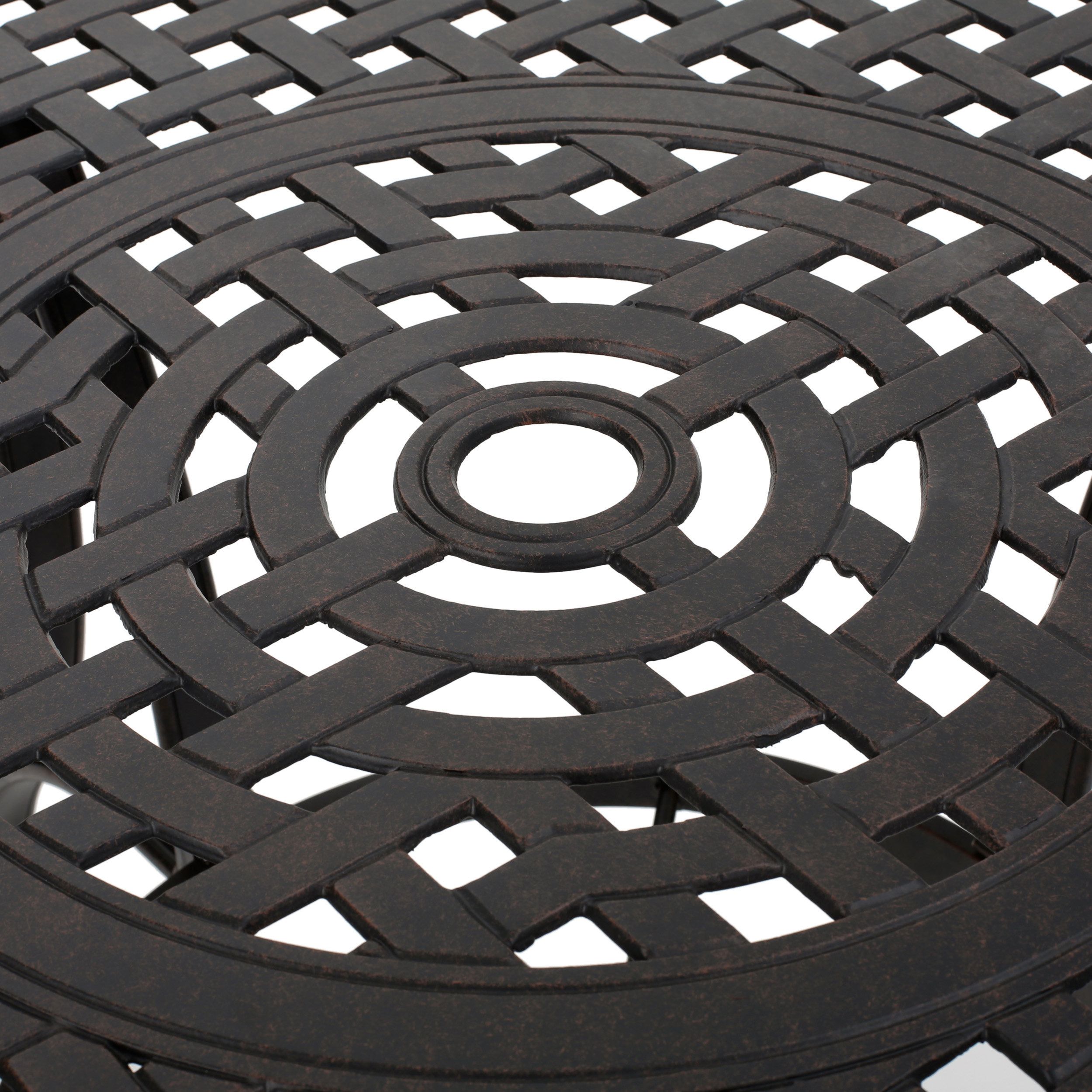
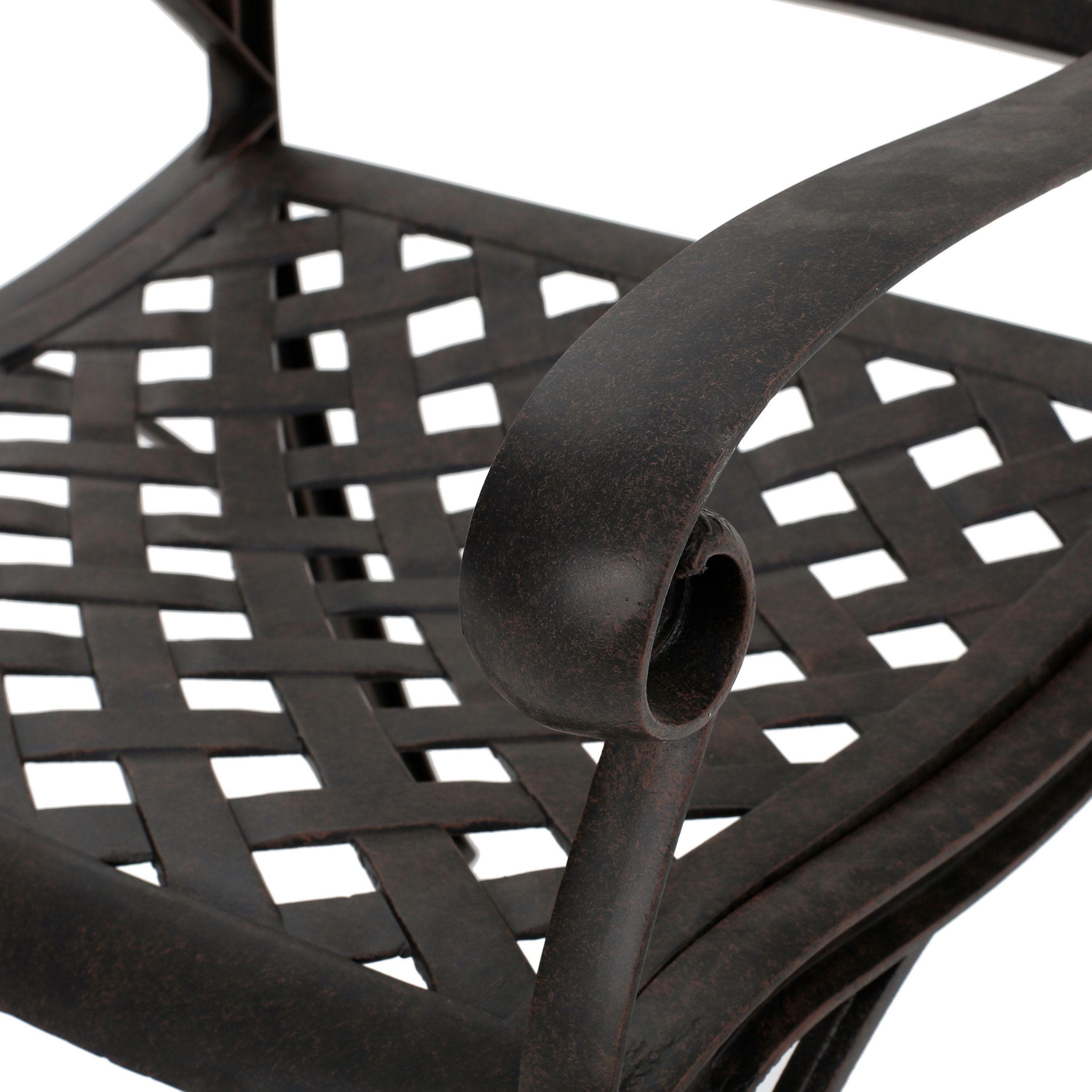
Many materials benefit significantly from protective treatments that enhance their natural weather resistance. These coatings act as barriers between the furniture and environmental elements. For wood furniture, this might mean applying waterproof sealants or staining treatments that penetrate deep into the grain. Metal pieces often receive protective paint or powder coating that prevents rust formation. Some manufacturers use specialized treatments like UV inhibitors that slow down color fading. These treatments aren’t permanent solutions, but they do extend lifespans dramatically. A well-treated wooden deck chair might last twice as long as one without protection. The key is understanding what treatments work best for each material type and maintaining them properly over time.
Climate-Specific Considerations
Not all weather challenges are created equal. What works perfectly in a mild coastal climate might fail quickly in a desert environment or near saltwater. In humid climates, moisture becomes the primary enemy, leading to mold growth and wood decay. Coastal areas present unique problems with salt corrosion affecting metal components. Desert regions bring extreme temperature swings that cause expansion and contraction cycles that stress materials. Mountain areas might see heavy snow loads and freeze-thaw cycles that damage many materials. The smart approach involves matching furniture materials to local climate conditions. For instance, marine-grade materials work better in beachfront locations, while heat-resistant plastics perform better in hot climates. Understanding your specific environment helps determine which furniture investments will pay off long-term.
Maintenance and Longevity Strategies
Proper maintenance can extend furniture life by several years, sometimes even decades. Regular cleaning removes dirt and debris that can trap moisture and accelerate deterioration. Applying protective treatments periodically keeps surfaces shielded from damage. Simple steps like covering furniture during severe weather or storing pieces indoors when possible make a huge difference. Some owners swear by seasonal inspections, checking for signs of wear, loose joints, or damaged finishes. Others find that using furniture covers designed specifically for outdoor use provides excellent protection. The most successful approach combines quality initial materials with consistent care practices. Think of it like taking your car to regular maintenance – it costs less and prevents bigger problems later. Even the most weather-resistant furniture benefits from basic care routines.
Cost-Benefit Analysis of Weather Resistance
Investing in weather-resistant outdoor furniture may seem expensive upfront, but it often pays for itself over time. A cheaper plastic set might cost $200 initially, but if it fails after two years, you’re essentially paying $100 per year for furniture. Meanwhile, a higher-quality piece costing $800 might last 15 years, equating to just $53 per year. The math becomes even clearer when you factor in replacement costs, time investment, and frustration. Many people discover that their most valuable outdoor furniture purchase was actually the priciest option. The savings from avoiding frequent replacements, combined with the peace of mind that comes from knowing your furniture will last, often justify the initial expense. Quality materials simply provide better return on investment over time.
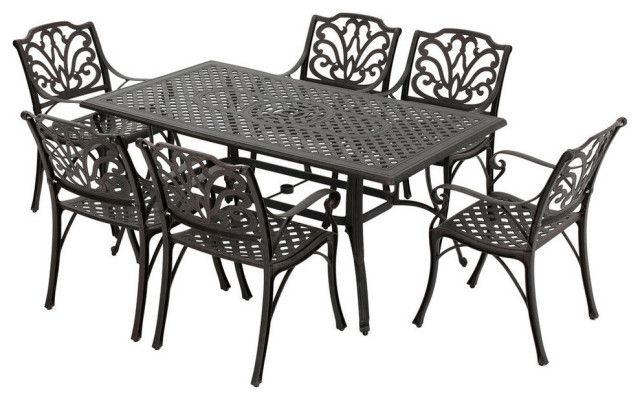
Weather resistance fundamentally changes how long outdoor furniture lasts, and this knowledge should guide every purchasing decision. Whether you’re buying a single chair or an entire dining set, understanding material properties, protective treatments, and maintenance needs makes all the difference. The investment you make today in quality, weather-resistant furniture pays dividends for years to come. Don’t let the elements win the battle – choose pieces that can stand up to whatever nature throws at them. After all, your outdoor space deserves furniture that’s built to last, not just look good for a season. The right combination of smart materials, proper treatment, and maintenance creates furniture that truly serves its purpose for decades.